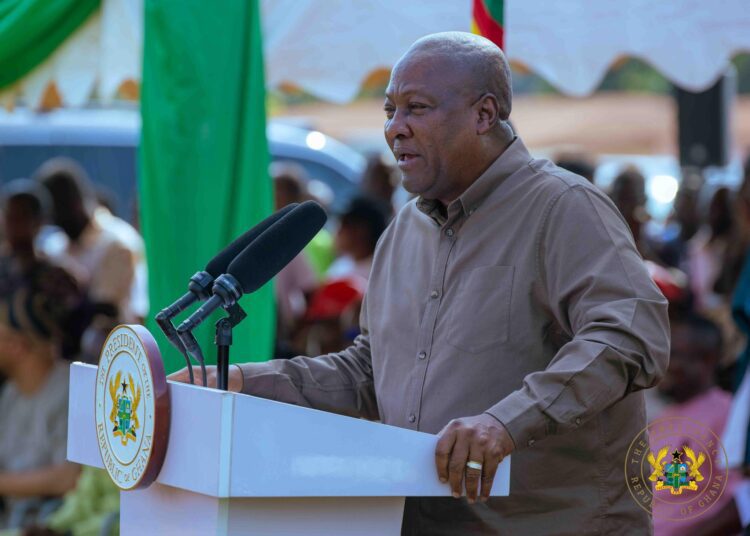
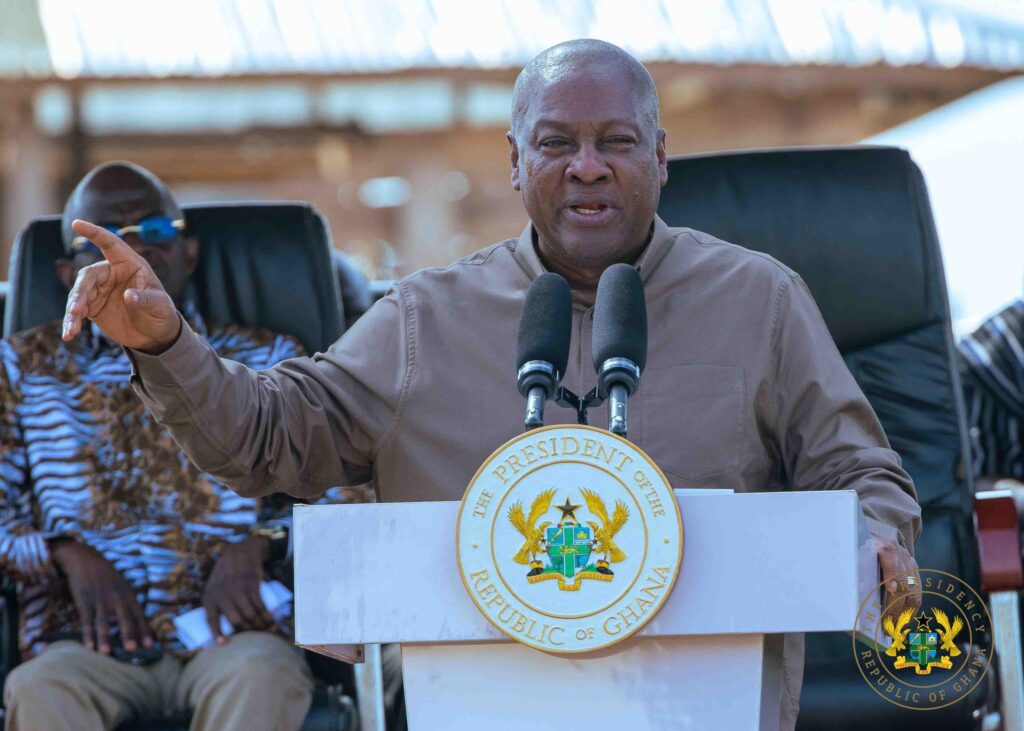
President John Mahama has expressed strong confidence in the resilience of Ghana’s economy, declaring that the country is now better positioned to withstand external shocks that have destabilised many nations in recent years.
His remarks come after what he described as a deliberate and sustained effort by his administration to strengthen macroeconomic stability, reinforce financial buffers, and implement disciplined policy measures over the past year.
Speaking on the state of the economy, the President stressed that the global environment remains unpredictable, making domestic preparedness a national priority. He noted that recent geopolitical tensions and economic uncertainties across the world highlight the importance of building strong internal systems capable of absorbing sudden disruptions.
Lessons from Global Crises
President Mahama pointed to major global events that have previously shaken economies across continents, saying such moments exposed structural weaknesses in countries that lacked adequate safeguards.

According to him, nations without strong financial and monetary protections often suffer severe setbacks when crises emerge unexpectedly.
“In this world, unexpected events can occur at any time. If your monetary system is not well cushioned, such shocks can destabilise the economy.”
President John Mahama
He referenced current international tensions involving Israel, Iran, and the United States as examples of developments that could have ripple effects across global markets. Such tensions, he indicated, reinforce the urgency ]for countries like Ghana to insulate their economies from external vulnerabilities.
The President further observed that previous global disruptions demonstrated how quickly international crises could spill over into domestic economies through trade pressures, currency instability, and commodity price shocks. These experiences, he suggested, have influenced his government’s approach to economic management.
Policy Measures to Stabilise the Economy
President Mahama explained that his administration has prioritised stabilising the economy through a mix of fiscal discipline and tighter monetary policies. These measures, he said, are designed to strengthen confidence in the financial system, manage inflationary pressures, and create a more predictable environment for businesses and investors.
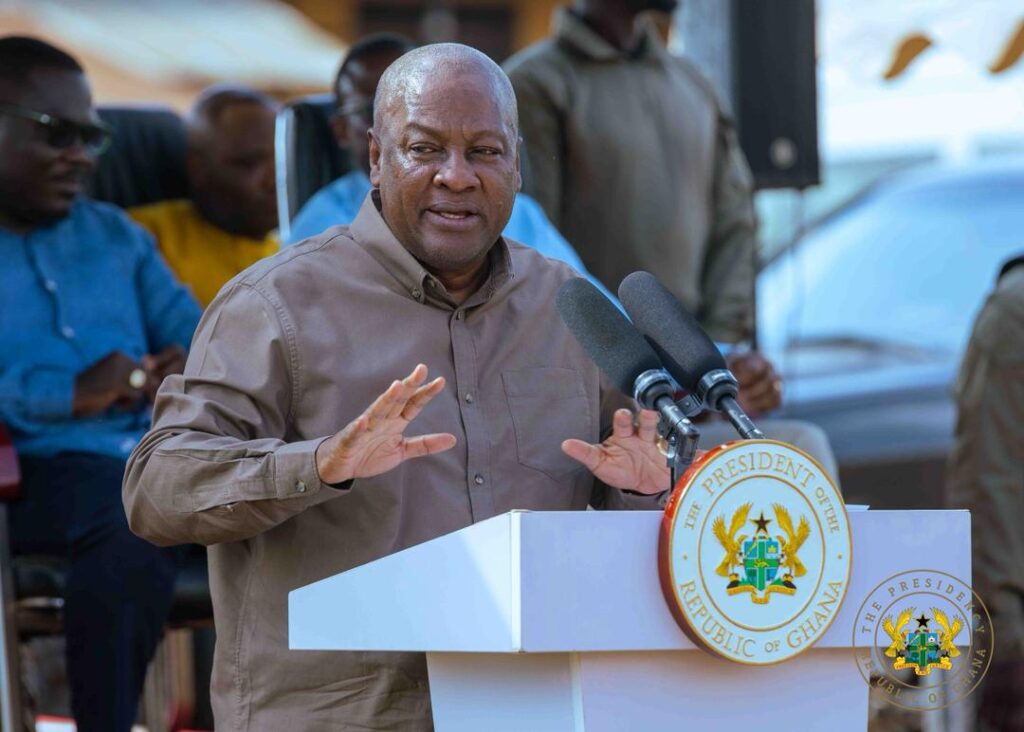
He emphasised that the focus has not only been on short term fixes but also on building long term resilience. Strengthening institutional frameworks, enhancing policy coordination, and reinforcing regulatory oversight have been central to this strategy.
“I have hope that the measures we have put in place in our first year have strengthened the economy. Even with ongoing global tensions, our economy will be able to withstand the impact.”
President John Mahama
His comments signal a broader message of reassurance to businesses, investors, and households who remain concerned about the effects of global uncertainty on livelihoods and economic opportunities.
The 24-Hour Economy Vision
Beyond macroeconomic stability, President Mahama highlighted structural transformation plans under the government’s proposed 24-hour economy model. The initiative is designed to unlock productivity across multiple sectors by enabling continuous economic activity supported by modern infrastructure and services.
A key component of the plan involves the establishment of modern market centres in districts across the country. These centres are expected to become integrated economic hubs that support commerce, logistics, and social services within local communities.
According to the President, the market centres will be equipped with essential facilities that go beyond traditional trading spaces. They will include a Women’s Development Bank to expand financial access for female entrepreneurs, police and fire service stations to enhance safety, and cold storage units to reduce post harvest losses and protect perishable goods.
Inclusive Infrastructure for Local Growth
The proposed market centres will also incorporate daycare facilities to support traders with young children, hospitality spaces for restaurants and food vendors, and transport terminals to improve the movement of people and goods. This integrated approach aims to create a supportive ecosystem that allows businesses to operate efficiently at all hours.
President Mahama said the initiative is particularly focused on empowering women led enterprises, which form a significant portion of Ghana’s informal and small business sectors. Expanding access to finance and improving working conditions for traders are expected to stimulate grassroots economic activity and deepen inclusion.
He stressed that productivity gains at the district level will have a cumulative national impact, helping to diversify economic activity and reduce pressure on major urban centres.
Building a Shock-Resistant Future
The President’s remarks underscore a broader strategy to reposition Ghana’s economy for durability in a volatile global landscape. By combining macroeconomic reforms with infrastructure driven inclusion, the government aims to build a system capable of withstanding both financial and geopolitical shocks.
For policymakers, the message is clear. Economic resilience requires preparation, institutional strength, and sustained investment in systems that support people and businesses. For citizens, the assurance offers hope that lessons from past crises have translated into stronger safeguards for the future.
As global uncertainties persist, Ghana’s leadership is betting on preparedness, policy discipline, and inclusive development as the foundation for long term stability.
READ ALSO: Ghana Stock Exchange Cap Surpasses GHS300bn Milestone