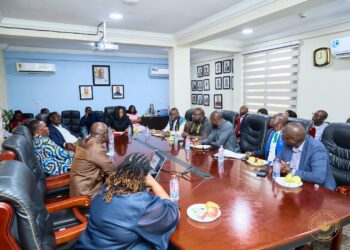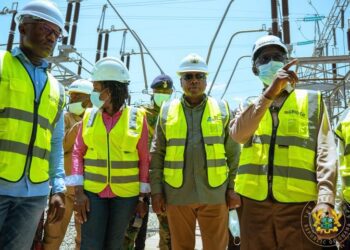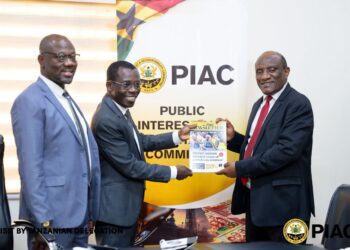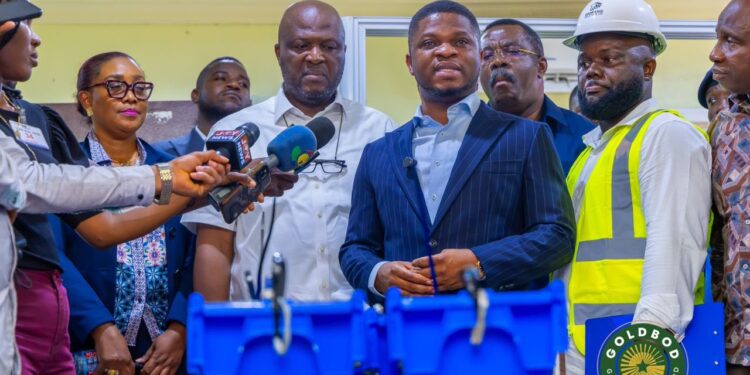
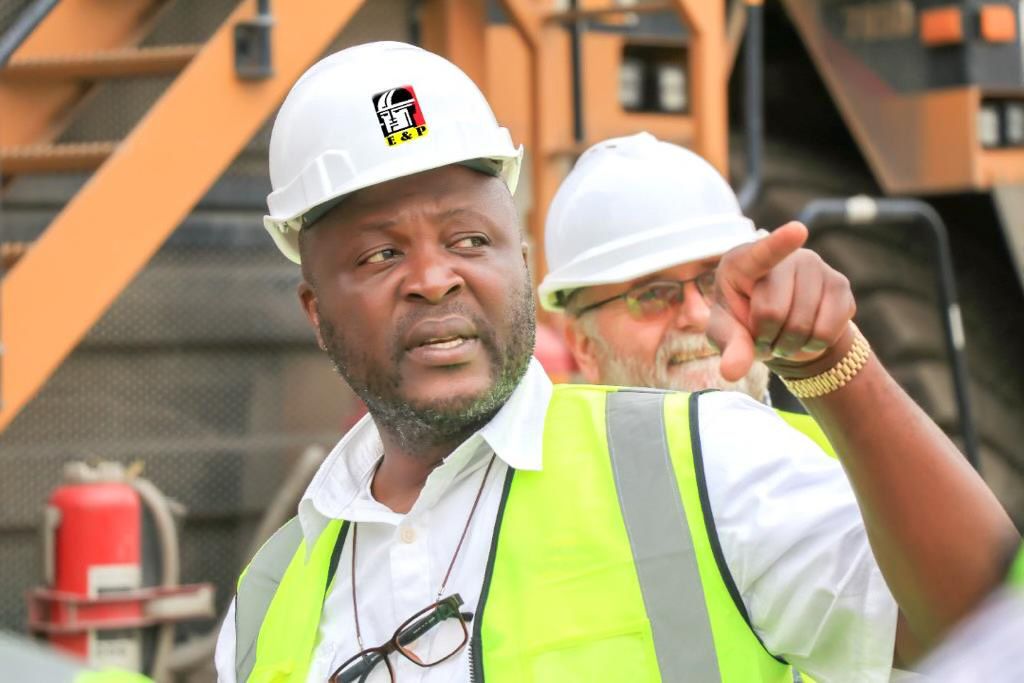
Ibrahim Mahama, the Executive Chairman of Engineers & Planners, led a strategic delegation to the GoldBod Assay Laboratory in Accra to formalize the sale of 100% of the Damang Gold Mine’s inaugural output to the Ghana Gold Board.
This milestone transaction involving approximately 110KG of gold marks a significant departure from traditional mineral trade routes, as the entire volume is destined for the Bank of Ghana’s (BoG) domestic reserves.
By prioritizing the central bank over international bullion markets, the move establishes a new precedent for how indigenous large-scale mining entities contribute to the nation’s fiscal stability and currency backing.
“The first output of the Damang Gold Mine delivered to the GoldBod today is about 110KG. The gold will be assayed, valued and purchased by the GoldBod for and on behalf of the Bank of Ghana, refined and added to the Central Bank’s gold holdings.”
Ghana Gold Board
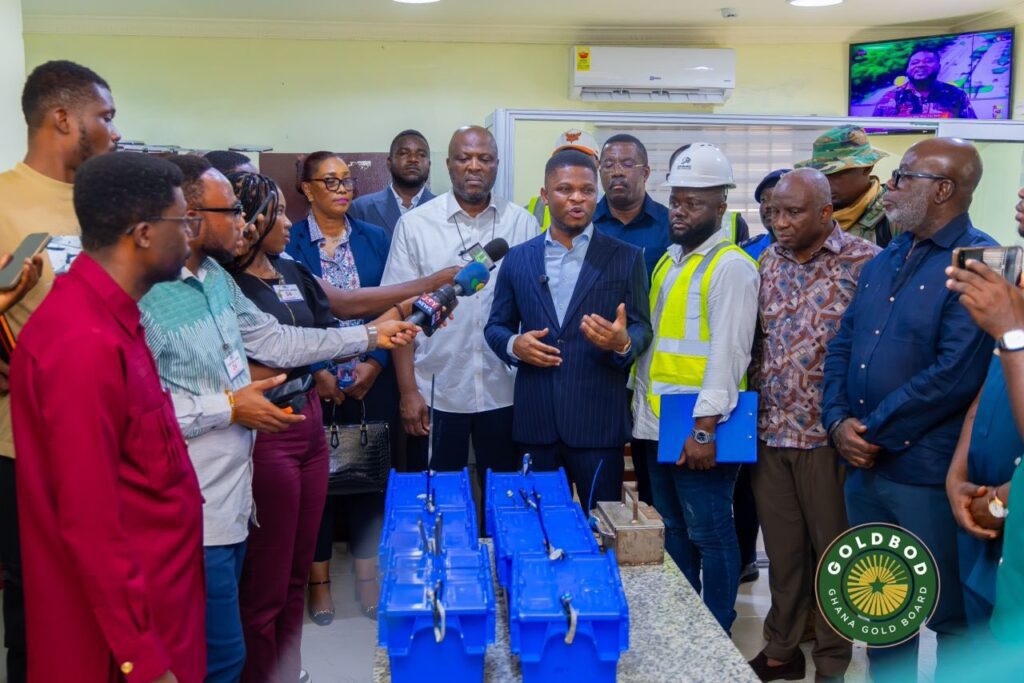
The transaction serves as a practical implementation of the Ghana Accelerated National Reserve Accumulation Program (GANRAP), a legislative framework recently approved by Parliament to bolster the state’s foreign exchange cushions.



According to the CEO of the Ghana Gold Board, Sammy Gyamfi Esq., the delivery of this first 110KG batch is just the beginning of a cycle where the precious metal is assayed, valued, and then refined into high-purity holdings for the BoG.
This operational shift comes as the government intensifies its “Gold-for-Reserves” strategy, aiming to reduce the economy’s vulnerability to external shocks by building a robust, locally sourced gold treasury.
Economic Transformation through Local Value Retention
A primary benefit of this 100% sale agreement is the direct impact on Ghana’s foreign exchange liquidity.
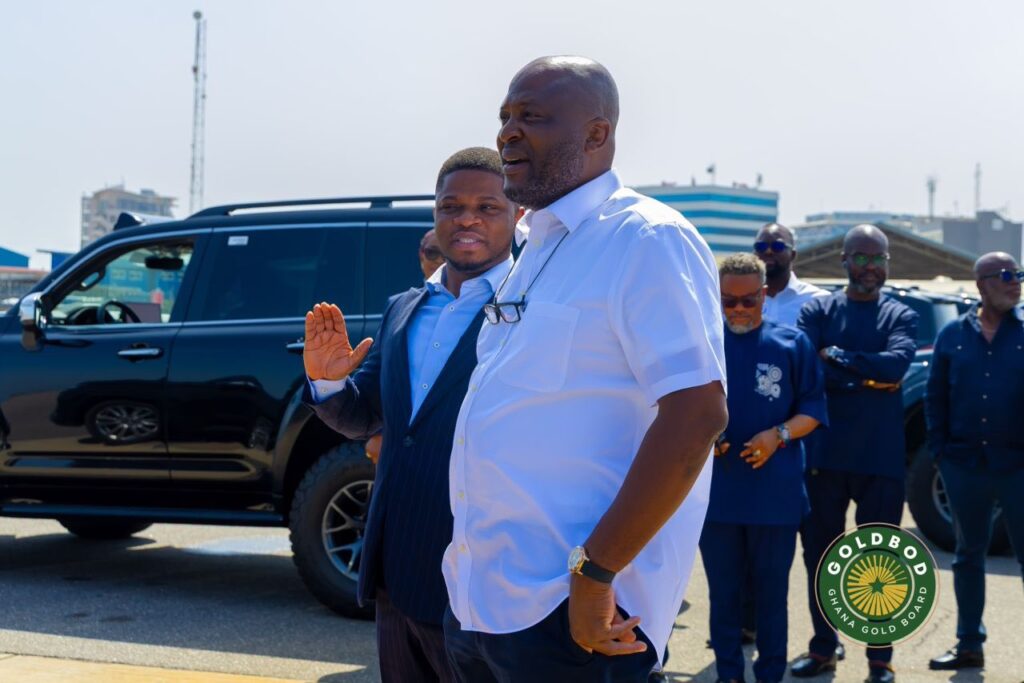
Historically, large-scale mining firms have repatriated a significant portion of their earnings or sold their output to offshore refineries, often leaving the central bank with limited access to the physical gold produced within its own borders.
By redirecting the Damang Gold Mine’s production to GoldBod, the state eliminates the need to compete for gold on the international market using scarce US dollars.
This localized trade cycle ensures that the value created at the extraction point remains within the Ghanaian financial ecosystem, providing the Bank of Ghana with the “firepower” needed to stabilize the Cedi against major trading currencies.
Furthermore, this transaction serves as a catalyst for the domestic refining industry. The gold delivered today will be processed through local assaying and refining facilities, supporting the government’s vision of ending the export of raw minerals by 2030.
This creates a downstream economic effect, generating specialized jobs in metallurgy and mineral finance while increasing the technical capacity of Ghanaian laboratories.
When minerals are refined in-country before being added to the central bank’s vaults, the “value-added” premium stays with the state, rather than being captured by foreign refineries in Switzerland or South Africa.
Strengthening GANRAP and National Sovereignty
The “historic move” by Ibrahim Mahama’s firm provides the necessary momentum for the Ghana Accelerated National Reserve Accumulation Program (GANRAP). For the program to succeed, it requires a steady and predictable supply of high-quality gold.
The commitment of a major large-scale producer to sell 100% of its output provides a blueprint for “sovereign resource management,” where the state exercises more than just regulatory control, but active participation in the commodity’s lifecycle.
This transition from being a passive recipient of royalties to an active accumulator of gold bars fundamentally shifts Ghana’s position in the global extractive landscape.
Sammy Gyamfi Esq. noted that having “Ghanaians at the helm” of such critical assets is the only way to ensure that national interests are prioritized over shareholder dividends alone.
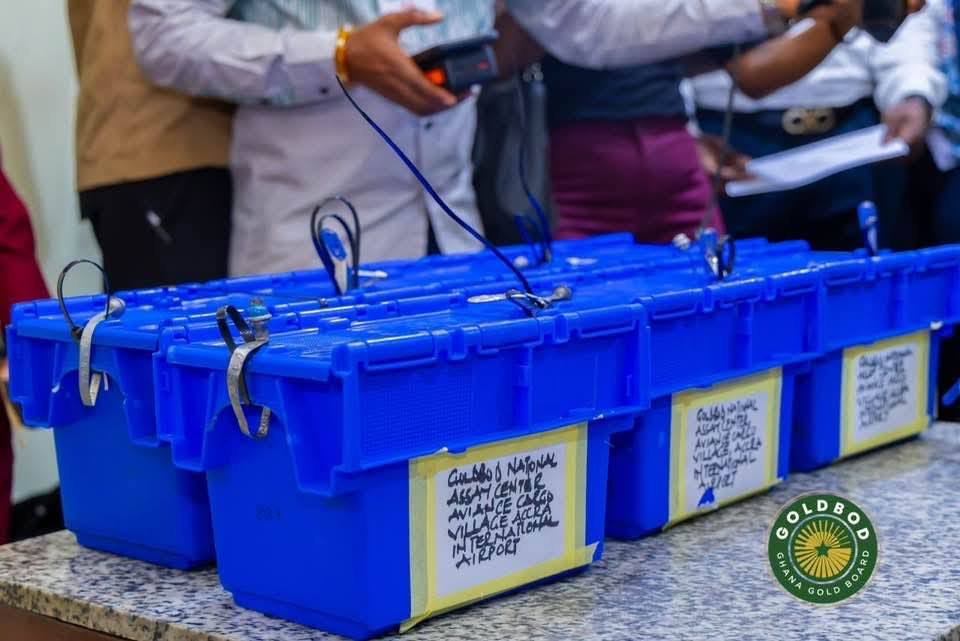
The move addresses a long-standing grievance in the extractive sector regarding the low contribution of multi-national mining giants to the country’s reserve accumulation efforts.
By leading the charge, Damang Gold Mine Ltd. is effectively challenging the status quo, proving that indigenous ownership can lead to more patriotic fiscal outcomes while maintaining high technical and operational standards.
A New Benchmark for Large-Scale Mining
The delivery of the 110KG of gold today also carries immense symbolic weight for the future of the Ghanaian mining sector.

It demonstrates that local firms have the technical maturity to manage complex, large-scale assets previously the exclusive domain of foreign conglomerates while aligning their business models with national macro-economic goals.
As other mining companies are urged to “emulate the good example” set by Mahama’s team, the industry is likely to see a shift in contract negotiations and license renewals, with the state potentially favoring operators who commit to domestic reserve support.
Ultimately, this transaction is a win for the “Ghanaian-first” policy in the minerals sector. It bridges the gap between mineral extraction and national wealth creation, ensuring that the gold mined from the soil of Damang does more than just fill a balance sheet it fills the national treasury.
As the Bank of Ghana continues to build its gold-backed reserves, the success of this 100% sale model will likely be the metric by which future mining concessions are judged, signaling a new era of economic independence for the world’s leading gold producers.
READ ALSO: Authorization Inspectors Throw ORAL into Reverse Gear – Legal Scholar Warns