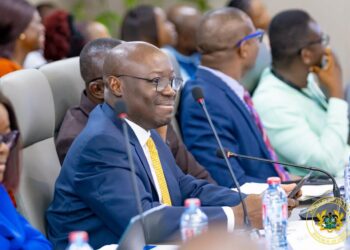
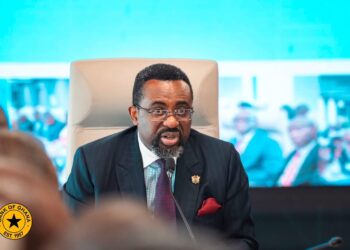
A senior infrastructure and capital projects expert at Deloitte Ghana, Peter Nii Charway, has outlined a comprehensive roadmap for Ghana’s fiscal and structural transformation following the economic crisis that shook the nation in recent years.
Speaking during the opening session of the Deloitte UKGCC Investors Series for 2026, he walked investors and business leaders through the reforms reshaping the country’s fiscal, monetary and debt management architecture.
Charway described the ongoing reforms as a coordinated and long-term strategy rather than short-term policy reactions. According to him, the measures form a “strategic framework” aimed at permanently steering the economy away from the deep-rooted imbalances that contributed to the 2022 downturn.
The session formed part of a broader national and investor-focused dialogue examining Ghana’s economic reset and what it means for businesses, households and global capital flows.
Reset Beyond Crisis Response
Also addressing the forum was Yaw Appiah Lartey, Africa Infrastructure Partner at Deloitte, who stressed that Ghana’s current transition represents a recalibration of economic foundations rather than a mere reaction to external shocks.
He noted that the reset is compelling institutions across sectors to strengthen their systems, governance structures and operational resilience.
“Ghanaians have felt the effects of Ghana’s economic shifts not only from boardrooms and policy meetings, but also in everyday lives.”
Yaw Appiah Lartey
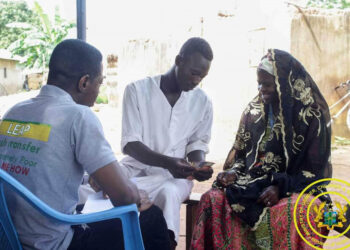
Appiah Lartey illustrated how the economic changes are playing out across society. He referenced market women adjusting prices at dawn to keep pace with shifting cost realities, entrepreneurs developing tech-driven solutions in Accra’s innovation hubs, and government agencies working tirelessly to implement reforms.
From households to high-level financial strategy rooms, he said resilience and ingenuity remain defining traits of the Ghanaian response.
Global Pressures and Local Adjustments
Speakers at the event emphasized that Ghana’s economic direction cannot be separated from global developments. Over the past two years, rising geopolitical tensions and commodity market volatility have influenced domestic economic outcomes.
Instability in the Persian Gulf has contributed to rising crude oil prices, adding pressure to import bills and production costs.
At the same time, Ghana has experienced inflationary pressures, shifts in interest rates, improving currency stability and a wave of policy reforms designed to restore macroeconomic balance. “These are not abstract concepts; we have seen their real impact on households, SMEs, and investor sentiment,” Appiah Lartey stated.
The comments highlighted how macroeconomic shifts translate into lived economic realities, affecting spending power, borrowing costs and business expansion decisions.
Guiding Investors Through Structural Change
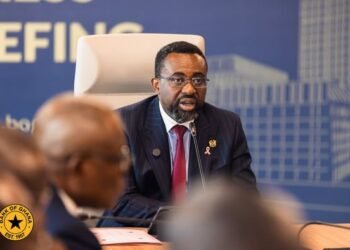
Charway’s presentation focused heavily on clarity and structure for investors navigating Ghana’s evolving landscape. He explained that understanding fiscal adjustments, debt restructuring and monetary recalibration is essential for assessing risk and identifying viable growth sectors.
He stressed that the reform process is not isolated to government balance sheets but extends into regulatory practices, institutional discipline and financial governance systems that underpin sustainable growth.
The objective of the webinar, he explained, is to offer practical direction.
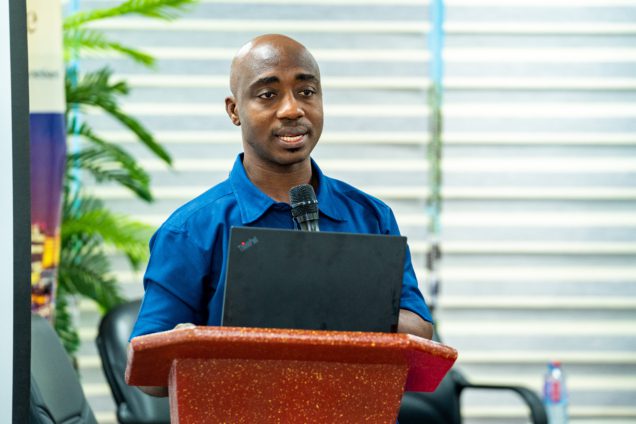
“This session would provide a practical, structured guide for investors on how to assess opportunities, evaluate risks, and position strategically within the evolving Ghanaian market.”
Peter Nii Charway
The guidance comes at a critical moment as investors weigh opportunities in infrastructure, energy, digital transformation and SME-driven industrial growth.

A New Reality for Ghanaian Enterprises
Beyond investor strategy, the forum delivered a strong message to Small and Medium-sized Enterprises across Ghana. Charway urged business leaders to move beyond general optimism surrounding economic recovery and instead adopt deliberate positioning strategies aligned with sector-specific realities.
He warned that the post-crisis economy will not reward passive participation or reliance on capital inflows alone.
Businesses must demonstrate operational discipline, adaptability and strategic foresight to remain competitive.
He emphasized that sector dynamics are diverging sharply under the reset, making it essential for enterprises to understand where sustainable opportunities exist and where structural headwinds remain.
This shift demands sharper decision-making, improved governance practices and stronger financial management capabilities across the SME ecosystem.
Bridging the Investment Readiness Gap
A consistent theme throughout the series has been the importance of transaction advisory and institutional strengthening services. Experts noted that businesses seeking to attract capital must meet increasingly rigorous standards in governance, compliance and sustainability.
Deloitte’s advisory framework underscores finance structuring, legal and regulatory alignment, governance reform and environmental, social and governance integration as pillars of investment readiness.
These capabilities are becoming decisive factors for enterprises seeking partnerships, cross-border deals and long-term funding support.
By strengthening institutional frameworks and operational systems, businesses can better position themselves within Ghana’s recalibrated economic environment.
Building Permanence Into Reform
Charway concluded that the reform momentum must be sustained to prevent cyclical vulnerabilities. The goal, he reiterated, is to embed permanence into fiscal discipline and macroeconomic management.
The strategic framework now unfolding represents an opportunity to build durable systems that support inclusive growth, investor confidence and enterprise expansion.
For Ghana, the reset is not just recovery. It is a structural turning point that demands alignment between public policy, private sector agility and institutional integrity.
If maintained, the reforms could redefine the country’s economic trajectory and strengthen its position as a resilient investment destination in Africa.
READ ALSO: 44 Ghanaians Rescued from Trafficking Network in Nigeria – MFA