
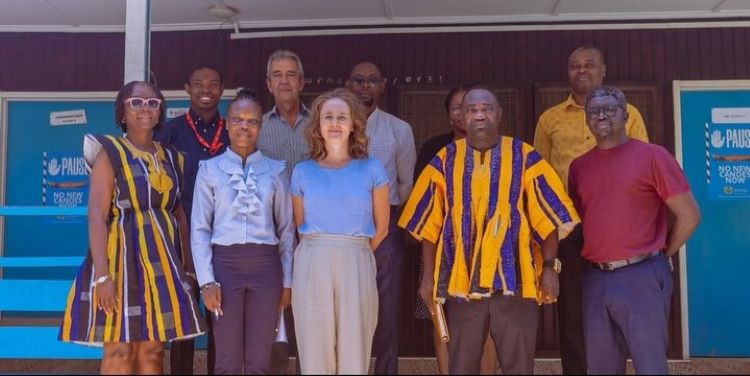
In a decisive move to insulate Ghana’s Blue Economy from the corrosive effects of organized crime, the Fisheries Commission hosted a high-level UNODC Mentorship Mission in Accra.
This three-day strategic engagement, conducted under the auspices of the Passenger and Cargo Control Programme (PCCP), marked a critical escalation in Ghana’s efforts to secure its maritime borders against illicit trafficking and fisheries-related offenses.
“The UNODC, through its Passenger and Cargo Control Programme, implemented the FishNET initiative, funded by the Government of Norway, to enhance the capacity of national authorities to tackle crime in the fisheries sector. This programme supports the sustainable management of fisheries resources in priority countries”
Fisheries Commission
According to the Commission, the security of Ghana’s maritime sector is the foundation of the advanced 24-Hour Economy in coastal regions, and organized crime in the fisheries sector – ranging from illegal, unreported, and unregulated (IUU) fishing to the smuggling of illicit goods via fishing vessels – threatens to undermine the livelihoods of millions and deplete the nation’s natural capital.
Partnering with the United Nations Office on Drugs and Crime (UNODC) and the Government of Norway builds a “bio-secure” and “crime-secure” industrial corridor that protects the Made in Ghana brand on the global stage.
With the centerpiece of this collaboration being the FishNET initiative, funded by Norway, the Commission explained that this program will enhance the technical capacity of national authorities to detect, intercept, and prosecute crimes within the fisheries value chain.
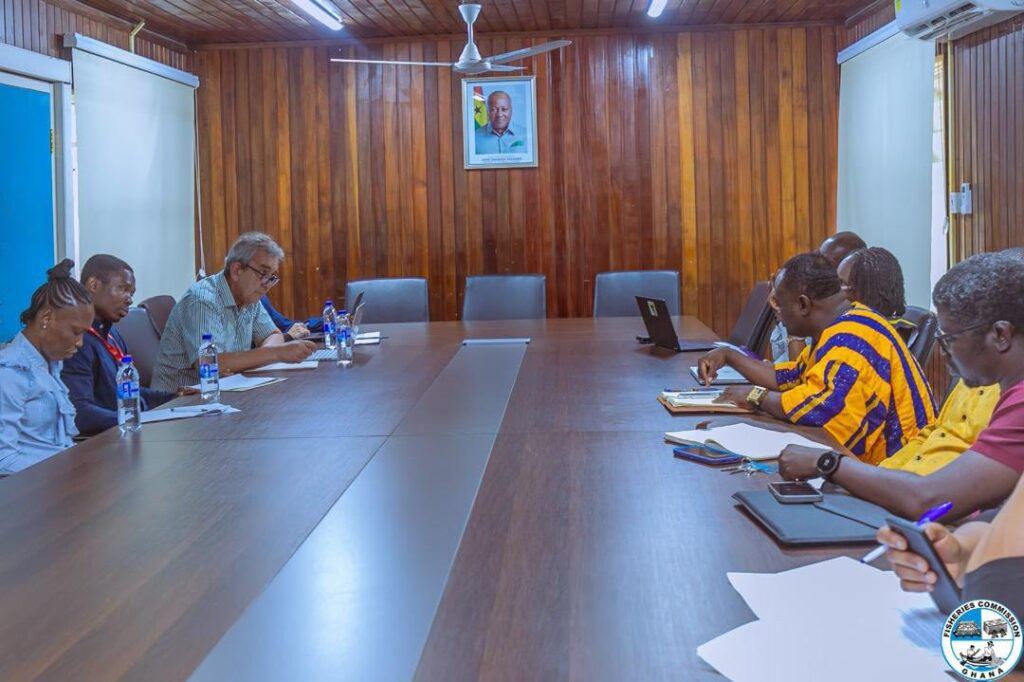
During the meeting, officials from the Joined Permanent Container Unit (JPCU) and the Commission conducted a deep-dive audit of current maritime surveillance protocols, to align Ghana’s domestic enforcement with the global FishNET standards, ensuring that ports are no longer vulnerable to the “grey markets that often shadow legitimate industrial fishing.”
The mission emphasized that fisheries crime is rarely an isolated event; it is often linked to broader networks of tax evasion, labor exploitation, and document fraud. By strengthening the mentorship aspect of the PCCP, the UNODC is providing Ghanaian officers with the forensic tools needed to track the paper trail of illicit catches.
This level of oversight is essential for the sector, as it prevents legitimate Ghanaian fish processors from being forced to compete with cheap, illegally sourced products that bypass the national tax net.
Inter-Agency Coordination
The Commission noted that a significant outcome of the mentorship mission was the formalization of a “joined-up” approach with the Joined Permanent Container Unit (JPCU) – especially since the separation of fisheries management and cargo control created loopholes that transnational criminal syndicates have exploited in the past.
In 2026, under the new strategic mandate, these agencies are operating as a singular maritime security command. This coordination ensures that every container of fish leaving or entering Tema and Takoradi ports is subjected to a unified risk-assessment protocol.
When illegal actors deplete Ghana’s fish stocks through pirate operations, it directly impacts the protein availability for the local population. This inter-agency synergy is therefore critical for food security and nutrition.
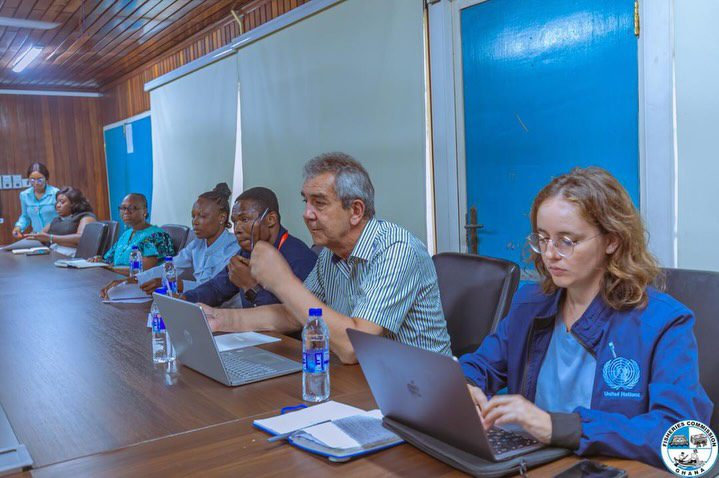
The Fisheries Commission’s leadership noted that the PCCP-Mentorship Mission is about “sovereign resource protection.” Shutting down criminal conduits, ensures that the rewards of the Blue Economy are harvested by law-abiding Ghanaian fishers and the communities that rely on them.
For the Fisheries Commission, the involvement of the Government of Norway brings a world-class standard to Ghana’s maritime strategy. Norway’s support for FishNET reflects a shared understanding that a fair and sustainable fisheries industry is the only way to foster long-term economic opportunity.
As the EU and other high-value markets tighten their procurement rules, Ghana’s ability to prove a crime-free supply chain will be its greatest competitive advantage.
Through participants discussing how criminal networks often prey on vulnerable fishing communities – drawing them into illicit activities through economic desperation – the mentorship mission also addressed the “human element,” of fisheries crime.
The Commission revealed that it is countering this by creating legitimate, high-value jobs in fish processing and aquaculture, thus offering a path to prosperity that is legal and sustainable – “effectively draining the swamp where fisheries crime once thrived.”
“The initiative aims to foster a fair and sustainable fisheries industry that creates economic opportunities for fishers and the communities that rely on them. This supports the sustainable management of fisheries resources to safeguard marine ecosystems and boost nutrition”
Fisheries Commission
The PCCP-Mentorship Mission concluded with the drafting of a protocol for maritime enforcement. The document outlines the practical steps for the remainder of 2026, including the deployment of enhanced digital tracking systems for fishing vessels and the integration of JPCU data into the Fisheries Commission’s monitoring, control, and surveillance (MCS) center.
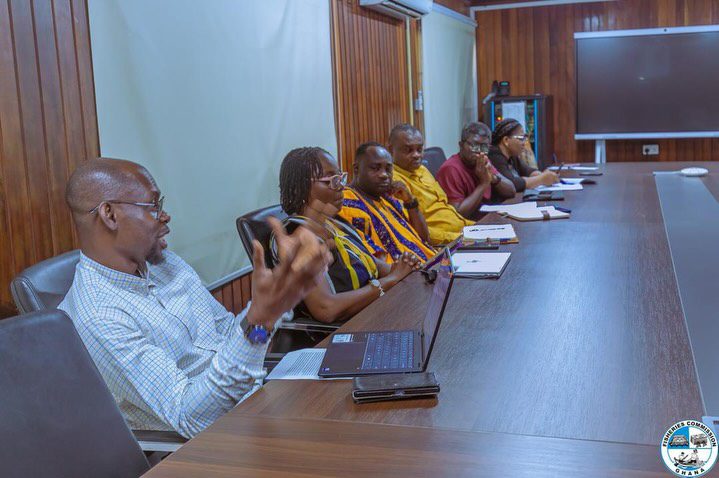
The Fisheries Commission signaled that there will be zero tolerance for those who attempt to bypass these new security layers.
Under the leadership of the current management and with the technical backing of the UNODC, the commission is moving from a reactive to a proactive security posture, to ensure that every kilogram of fish processed in Ghana’s new industrial hubs is legally caught, ethically handled, and safely exported.