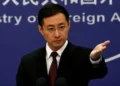
The Governor of the Bank of Ghana, Johnson Pandit Asiama, has cautioned that the continent risks slowing its financial transformation if countries continue to develop their systems in isolation.
According to him, Africa’s fintech momentum can only translate into broad economic gains if financial systems, policies, and infrastructure are deeply connected across borders.
Speaking at the official launch of the 3i Africa Summit 2026 in Accra, Dr. Asiama emphasized that the next phase of Africa’s economic growth will depend on how well nations align innovation, investment, and regulation. While individual countries have made notable progress in digital payments, mobile money, and financial technology startups, he warned that fragmented systems could weaken the overall impact.
From Islands of Excellence to Connected Ecosystems
Across the continent, fintech innovation is accelerating. Startups are building digital lending platforms. Mobile money services are expanding access to financial services. Governments are digitizing payments and public services. Yet many of these advancements remain confined within national borders.
Dr. Asiama stressed that Africa does not need isolated success stories. It needs financial ecosystems that communicate and function seamlessly together. Payment systems must be interoperable. Digital infrastructure must be secure and trusted. Regulatory approaches must be coherent and supportive of innovation.
Without integration, progress made in one country may not benefit neighboring markets. Businesses operating across borders face friction. Consumers encounter limitations when making cross-border payments. Investors struggle with regulatory inconsistencies. Over time, these barriers slow growth and reduce the scale of opportunity.
Why Interoperability Is Critical
A key theme in the Governor’s address was interoperability. Financial systems that can interact smoothly across jurisdictions allow money, data, and services to move efficiently. This capability is essential for expanding intra-African trade, deepening financial inclusion, and strengthening economic resilience.
Interoperable payment platforms enable businesses to transact across markets with fewer delays and lower costs. For small and medium enterprises, this means easier expansion into regional markets. For individuals, it means convenient and affordable cross-border transactions. For governments, it enhances transparency and efficiency in financial flows.
Trusted digital public infrastructure also plays a central role. Secure identity systems, reliable digital networks, and robust payment rails create the foundation for innovation. Without these shared systems, fintech solutions remain limited in reach and effectiveness.
Regulation as a Catalyst, Not a Constraint
Another central message from Dr. Asiama focused on regulation. He argued that innovation and regulation must work together rather than operate in tension. Clear and consistent regulatory frameworks help build confidence in financial systems.
Confidence encourages participation from users and institutions. Greater participation attracts investment. Increased investment enables fintech companies to scale and compete globally. In this cycle, sound regulation becomes a driver of growth rather than a barrier.
Policymakers across Africa therefore face a dual responsibility. They must support innovation while ensuring financial stability and consumer protection. Coordinated policy frameworks across countries can reduce uncertainty for investors and allow fintech firms to operate more efficiently across markets.
The Power of Coordinated Action
According to the Governor, the future of Africa’s fintech landscape will not be shaped by creativity or capital alone. Success will depend on deliberate coordination among policymakers, private sector innovators, and strategic investors.
Public policy sets the direction. Private firms develop solutions. Investors provide the resources needed to scale. When these forces work together, innovation becomes more impactful and sustainable.
This coordinated approach also helps avoid duplication of effort. Countries can share best practices, pool resources, and build common standards. Regional collaboration can accelerate development timelines and strengthen competitiveness on the global stage.
Africa’s Readiness for Digital Transformation
Despite the challenges, Dr. Asiama expressed optimism about Africa’s position. He noted that the continent is no longer defined by untapped potential alone. Africa is increasingly prepared to lead in digital finance.
A youthful population, rising digital adoption, and vibrant entrepreneurial activity provide strong foundations. Fintech hubs are emerging across major cities. Investment flows into technology ventures are increasing. Financial inclusion efforts are gaining traction.
The critical task now is converting this readiness into structured, coordinated progress. Strong institutions, harmonized regulations, and integrated systems will determine whether Africa fully captures the fintech opportunity.
Ghana’s Role in Shaping the Conversation
The Governor highlighted the strategic importance of the 3i Africa Summit platform in advancing these goals. The summit is designed to bridge the gap between policy ambition and market opportunity. By bringing together regulators, innovators, and investors, it creates a space for practical collaboration.
Hosting the summit positions Ghana as a key voice in discussions about Africa’s digital financial future. It reinforces the country’s growing reputation as a hub for fintech development and financial sector reform.
Through such platforms, stakeholders can align priorities, develop shared frameworks, and accelerate continental integration.
The warning from Ghana’s central bank is timely. Africa’s fintech boom presents a rare opportunity to transform economies, expand inclusion, and strengthen regional trade. However, fragmented growth could dilute these gains.
Integration is no longer optional. It is a strategic necessity. Countries must move beyond national silos and commit to shared systems, aligned policies, and coordinated investment.
READ ALSO: GSA’s Director-General Reaffirms Support For AGI Industries