China has denounced the threat of US sanctions for its trade with Iran, saying that it will take all necessary measures to protect its interests.
This comes after the United States unveiled new sanctions and expanded its economic pressure campaign against Iran.
Speaking at a regular news briefing in Beijing, Chinese Foreign Ministry spokesperson Lin Jian rejected what China described as illegal unilateral measures and defended the country’s economic cooperation with Iran.

“Cooperation between China and Iran has always been conducted within the framework of international law and should not be interfered with or disrupted.
“China has already stated many times that it firmly opposes illegal unilateral sanctions. China will take all necessary measures to firmly safeguard its own rights and interests.”
Lin Jian
The comments came as the Trump administration intensified its campaign against Tehran nearly six months into the US-Israel war on Iran. Washington has announced new penalties targeting Iranian military networks, oil trading operations, shipping companies and other entities accused of supporting Iran’s government or helping the country circumvent existing restrictions.
U.S. officials have warned that governments, companies and financial institutions could face secondary sanctions for continuing to conduct business with Iran.
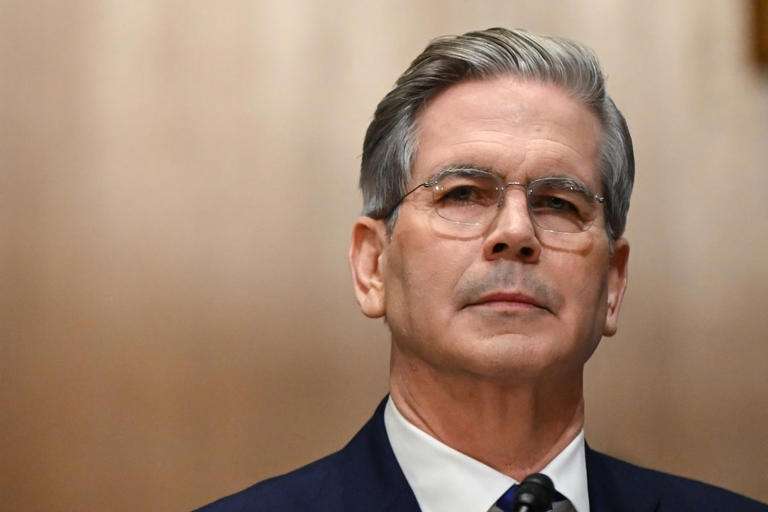
Asked on Monday whether Chinese banks could be affected, U.S. Treasury Secretary Scott Bessent offered a broad warning. “No one is above the reach of US sanctions,” Bessent said.
Washington has argued that its latest measures are intended to cut off the financial and commercial networks that support Iran’s government, military programmes and oil exports. The United States has also urged governments around the world to reduce or end economic engagement with Tehran.
China, however, has maintained that sanctions and economic pressure will not resolve the wider conflict. Beijing has repeatedly called for a ceasefire and a return to diplomacy, arguing that political dialogue remains necessary to reduce tensions and prevent further instability in the Middle East.
The dispute also carries significant economic implications for China, which has long been one of Iran’s most important trading partners and a major buyer of Iranian oil. Before the current conflict, Iran continued to export millions of barrels of crude oil despite years of Western sanctions, with much of that oil finding its way to Chinese markets through complex networks involving traders, shipping companies and financial intermediaries.
Iran has developed extensive methods for maintaining international trade under sanctions, relying on alternative financial arrangements, intermediaries and networks that have allowed it to continue exporting oil and other products despite restrictions imposed by the United States.
While Washington has sought to isolate Iran economically, Beijing has continued to defend what it describes as legitimate economic cooperation conducted under international law. Lin’s comments suggest that China is unlikely to accept U.S. demands to sever its economic relationship with Tehran without resistance.
The latest dispute comes amid already strained relations between China and the United States, which have been marked by disagreements over trade, technology, security, Taiwan and access to critical global supply chains. The expanding sanctions campaign against Iran now threatens to add another source of tension between the world’s two largest economies.
Iran-China Chamber of Commerce and Industries Criticises U.S Measure
Meanwhile, criticism of the U.S. measures has also emerged from within Iran. Majidreza Hariri, President of the Iran-China Chamber of Commerce and Industries, said that Washington’s latest actions demonstrated that the United States had entered what he described as an economic war against Iran. “What Trump has said makes it clear that he has entered into an economic war with us and considers it a new phase of military and security wars!” Hariri wrote in a post on X.
Hariri argued that the expanding economic confrontation had broader implications for U.S. interests and partnerships. “With this same reasoning, all of America’s economic targets and its partners around the world, and especially in the region, are considered military targets of the enemy and are targetable!” he wrote.
His remarks underline the increasingly volatile rhetoric surrounding the conflict as military, economic and diplomatic pressure continues to overlap.The United States has sought to weaken Iran’s ability to generate revenue, particularly from oil exports, while also targeting networks involved in shipping, financial transactions and other commercial activities.
However, the effectiveness of the strategy may depend partly on the willingness of major economies, particularly China, to cooperate with Washington’s restrictions.
China’s response indicates that it intends to defend its companies and commercial interests if they are affected by the expanding U.S. measures. As Washington increases pressure on Tehran and threatens consequences for those who continue to do business with Iran, the confrontation is becoming increasingly international in scope.
For now, China is continuing to call for diplomacy and a ceasefire while making clear that it will resist efforts it believes interfere with its lawful economic interests.Whether the latest sanctions will further isolate Iran or deepen divisions between Washington, Beijing and Tehran remains uncertain
READ ALSO: Trump Threatens to Double Tariffs On Canadian Autos