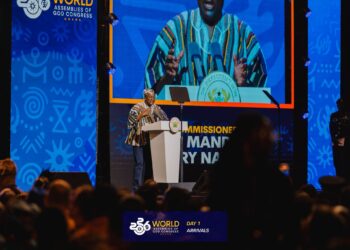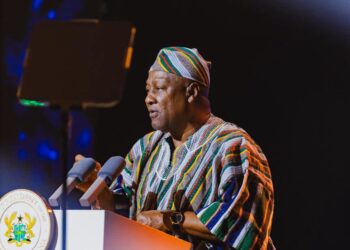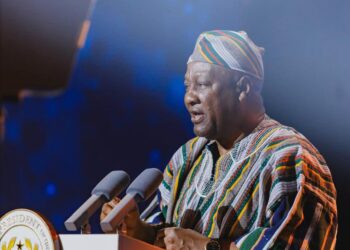
Ghana is intensifying its diplomatic push for reparatory justice at the United Nations, positioning itself at the forefront of a historic effort to secure global recognition for the transatlantic slave trade as the gravest crime against humanity.
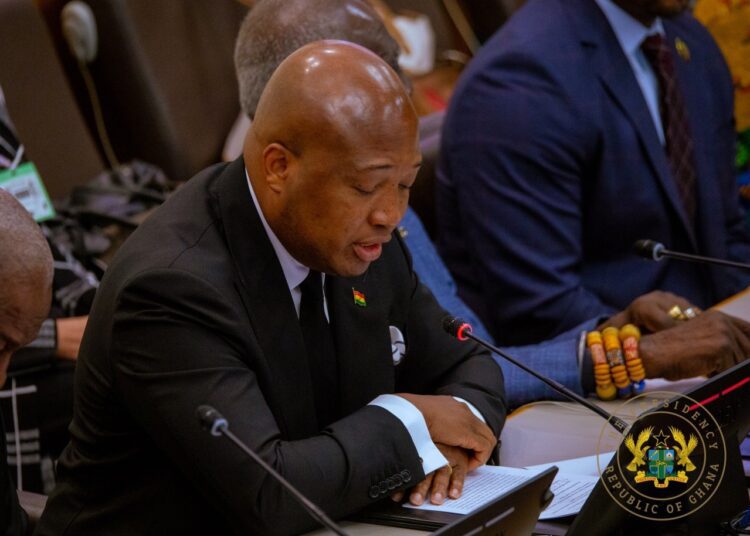
Ahead of a landmark resolution championed by President John Dramani Mahama, the Minister for Foreign Affairs, Samuel Okudzeto Ablakwa, has framed the initiative as a defining moment in the global pursuit of justice and historical accountability.
Describing the occasion as unprecedented, he stressed that the international community is being called upon to confront a past whose consequences continue to shape present realities. “A resolution like no other, a moment like no other,” he stated, underscoring the significance of the initiative.
According to Samuel Okudzeto Ablakwa, Ghana’s position is grounded in a demand for truth and accountability rather than symbolic acknowledgment.
“For centuries, the trafficking and racialised chattel enslavement of Africans have been spoken of in the past tense as though time alone could heal what was never repaired”.
Minister for Foreign Affairs, Samuel Okudzeto Ablakwa
He argued that the enduring legacy of slavery, including systemic inequality and historical dispossession, requires deliberate global action. “This is not about sympathy. This is not about ceremony. This is about accountability,” he emphasized, highlighting the need for concrete steps toward justice.
Historical Memory and Shared Responsibility
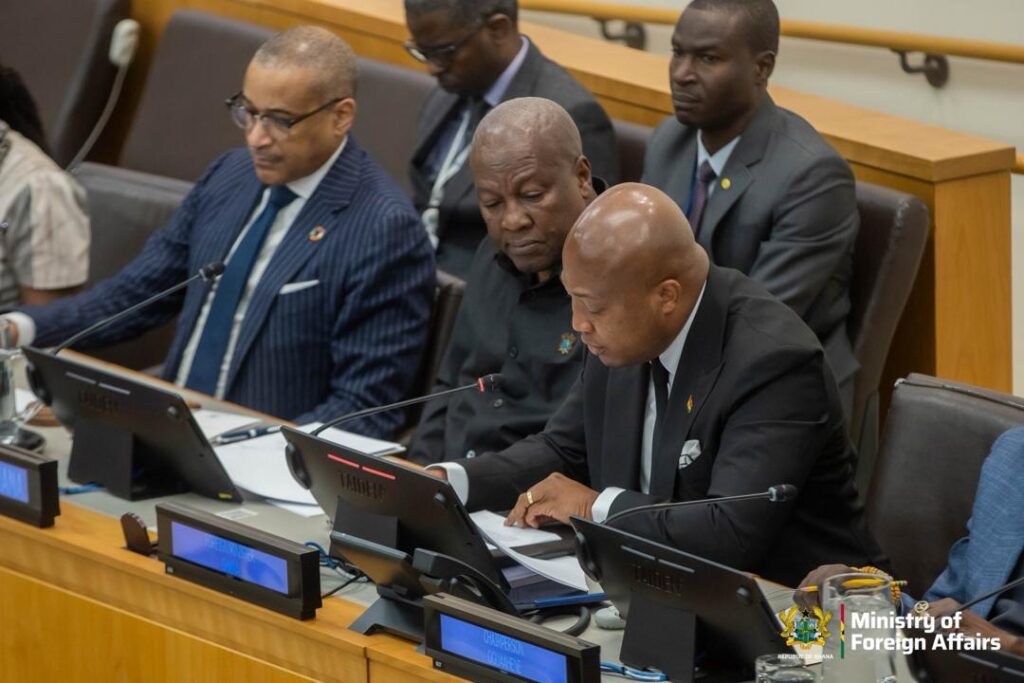
The Minister drew attention to the historical roots of the transatlantic slave trade, referencing sites such as Elmina Castle and Cape Coast Castle, where millions of Africans were held before being transported across the Atlantic.
He stressed that the legacy of these events extends far beyond history, affecting generations across Africa and the global diaspora.
“From the dungeons of Elmina and Cape Coast to the millions who passed through the Door of No Return, to generations still living with the scars of dispossession, injustice and historical erasure.”
Minister for Foreign Affairs, Samuel Okudzeto Ablakwa
Samuel Okudzeto Ablakwa maintained that the issue is not confined to Africa alone but represents a broader human responsibility. “This moment is bigger than Ghana. It is bigger than Africa. It is a test of humanity’s conscience,” he added.
Reparatory Justice as Healing
Central to Ghana’s advocacy is the argument that reparatory justice is a path to healing rather than retribution. Samuel Okudzeto Ablakwa made it clear that the initiative is rooted in restoring dignity and addressing historical wrongs.
“The call for reparatory justice is not a cry for revenge. It is a demand for truth, dignity, accountability, and healing,” he stated. This position aligns with the broader vision articulated by President John Dramani Mahama, who has emphasized the need for sustained effort and unity in pursuing reparations.

“Reparatory justice will not be handed to us. Like political independence, it must be asserted, pursued and secured through determination and unity,” Hon. Ablakwa quoted the President.
Together, these perspectives frame the resolution as part of a wider global movement aimed at confronting historical injustice and fostering reconciliation.
Ghana’s push has garnered support from key international organizations, including the National Association for the Advancement of Colored People and the Congressional Black Caucus. Hon. Samuel Okudzeto Ablakwa acknowledged their endorsement, describing it as a significant boost to the campaign.
The backing of these groups reflects a growing global consensus on the need to formally recognize the transatlantic slave trade as a crime against humanity and to pursue meaningful avenues for redress.
A Defining Moment for Global Action
As the United Nations prepares to deliberate on the resolution, Ghana has framed the initiative as a turning point in global efforts to address the legacy of slavery.
Hon. Samuel Okudzeto Ablakwa called on the international community to move beyond remembrance and take decisive action. “Today, remembrance must become resolve. Today, history must meet justice. Today, the world is called to act,” he declared.
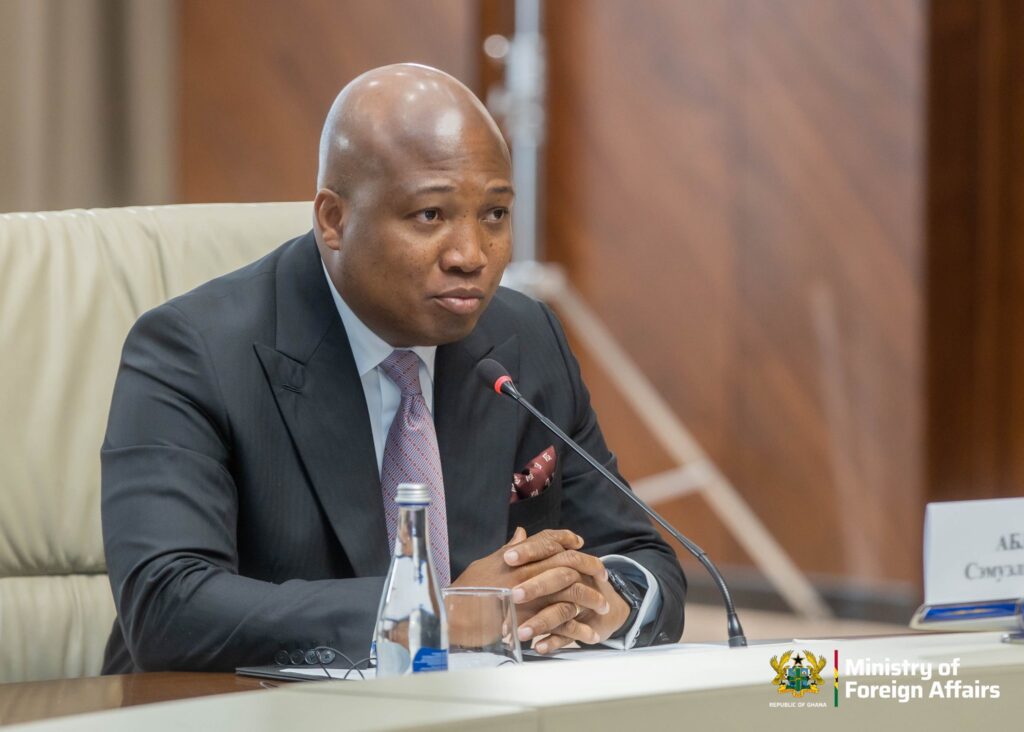
The outcome of the resolution is expected to influence future discussions on reparations, racial justice, and global accountability. For Ghana, it represents both a national commitment and a broader call to humanity to confront its past and build a more just future.
READ ALSO: Ghana’s Power Sector Faces Higher Risk as Demand Outpaces Infrastructure