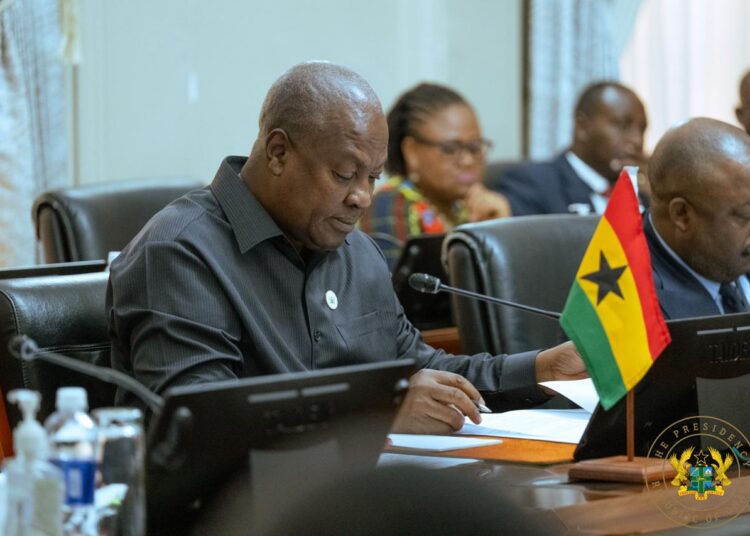
President John Dramani Mahama is set to lead Ghana’s delegation to the United States for a high level diplomatic mission focused on reparatory justice and the remembrance of victims of the transatlantic slave trade.
The visit, scheduled to begin on Monday, March 23rd, 2026, marks a significant step in Ghana’s ongoing effort to secure global recognition of historical injustices against people of African descent.
The trip will take the President to New York and Pennsylvania, where he will engage world leaders, academics, and members of the African diaspora on issues surrounding slavery, justice, and global equity. The visit is part of Ghana’s broader strategy to advance a landmark resolution at the United Nations General Assembly.
At the heart of the mission is Ghana’s proposal to formally declare the trafficking and enslavement of Africans as the gravest crime against humanity, a position that has already been adopted by the African Union.
High Level Engagement at United Nations
A major highlight of the visit will be President Mahama’s participation in a High-Level Special Event on Reparatory Justice at the United Nations Headquarters in New York on Tuesday, March 24, 2026.
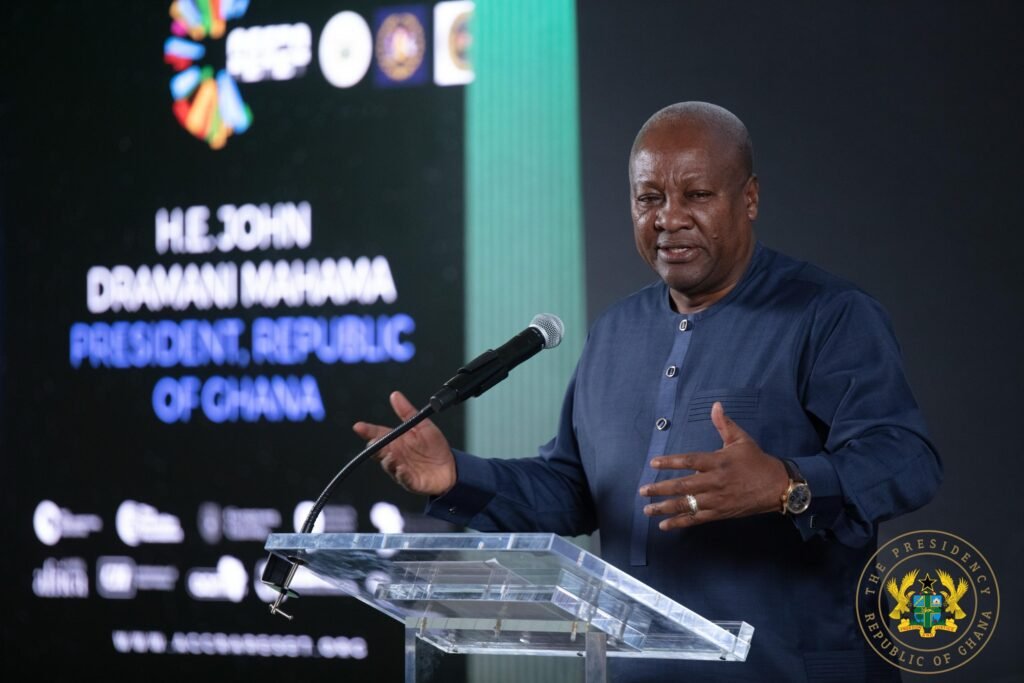
The President is expected to convene and deliver the keynote address at the event, which will bring together global leaders and policymakers to deliberate on the legacy of slavery and pathways toward justice.
The event will focus on the theme of reparatory justice for the trafficking of enslaved Africans and the system of racialised chattel enslavement. It is expected to provide a platform for renewed international dialogue on addressing historical inequalities and their lasting effects on global development.
Ghana’s leadership role at the event reflects its commitment to shaping global discourse on justice and accountability. The country has been actively working with international partners to build consensus around its proposed resolution.
Address to General Assembly
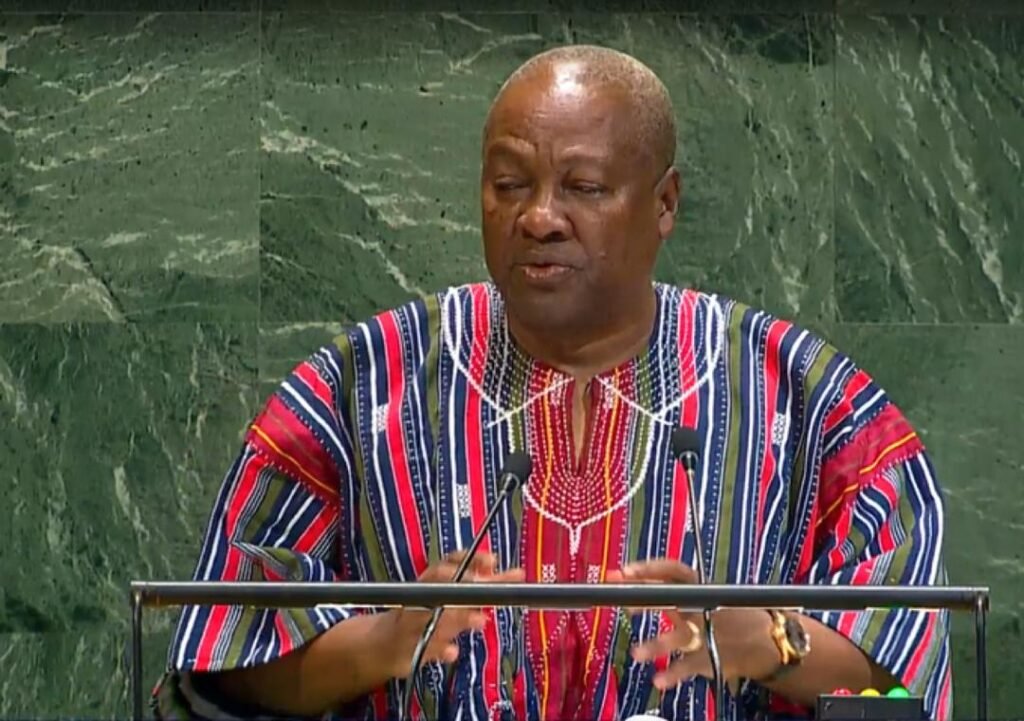
On Wednesday, President John Dramani Mahama will address the United Nations General Assembly during the International Day of Remembrance of the Victims of Slavery and the Transatlantic Slave Trade.
His address is expected to formally present Ghana’s position on the resolution, which has been adopted by the African Union (AU) and outline the moral and historical basis for its adoption.
The timing of the address is significant, as it coincides with a globally recognised day dedicated to reflecting on the atrocities of slavery and honouring its victims. By aligning the presentation with this observance, Ghana aims to reinforce the urgency and importance of the initiative.
The resolution seeks to establish a unified global stance that recognises the transatlantic slave trade as a defining historical injustice with enduring consequences. Advocates believe that such recognition would serve as a foundation for broader discussions on reparatory justice and reconciliation.
As part of the visit, President Mahama will participate in a wreath laying ceremony at the African Burial Ground National Monument. The ceremony will serve as a solemn tribute to the millions of Africans who suffered and died during the transatlantic slave trade.
The site holds deep historical significance as one of the oldest and most important memorials dedicated to enslaved Africans in the United States. Ghana’s participation in the ceremony underscores its commitment to preserving historical memory and honouring the resilience of those affected.
The tribute is expected to set the tone for the broader engagements during the visit, emphasizing the human dimension of the historical injustices being addressed.
Academic and Diaspora Engagements
Beyond the United Nations engagements, the President’s itinerary includes visits to key academic institutions in the United States. He is scheduled to deliver a keynote address at Lincoln University, where he will engage with students and faculty on issues of history, identity, and global justice.
In addition, President Mahama will meet with members of the Ghanaian community at Temple University. The engagement is expected to strengthen ties between Ghana and its diaspora while highlighting the role of diaspora communities in advancing national and international development goals.
These interactions form an important part of Ghana’s diplomatic approach, which seeks to combine policy advocacy with cultural and academic exchange.
Ghana’s push for reparatory justice has gained traction in recent months, with growing support from international partners and advocacy groups. The government has positioned itself as a leading voice in the global call for recognition of the transatlantic slave trade and its enduring impact.
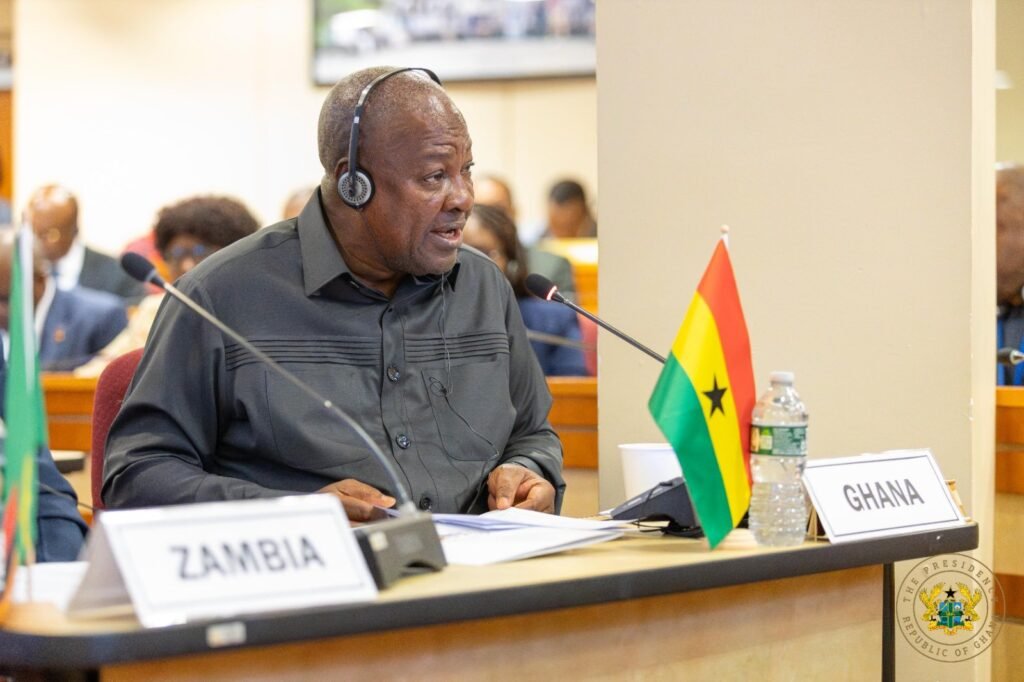
The upcoming engagements at the United Nations are expected to further build momentum ahead of the consideration of the resolution. The success of the initiative will depend on the level of support it receives from member states and the willingness of the international community to confront historical injustices.
For Ghana, the initiative represents more than a diplomatic effort. It is a moral appeal for acknowledgment, justice, and a commitment to addressing inequalities rooted in the past.
As President Mahama leads the delegation, the visit signals Ghana’s determination to shape global conversations on justice and ensure that the legacy of the transatlantic slave trade is recognised at the highest international level.
READ ALSO: Ghana-UK Trade Pact Hits Five-Year Growth Milestone