Ghana’s campaign to secure global recognition of the transatlantic slave trade as the gravest crime against humanity has gained significant momentum following a major endorsement from Brazilian President Luiz Inácio Lula da Silva.
The President of Brazil has announced his country’s full support for the resolution to be tabled by the President of Ghana HE John Dramani Mahama at the United Nations General Assembly on March 25, 2026.
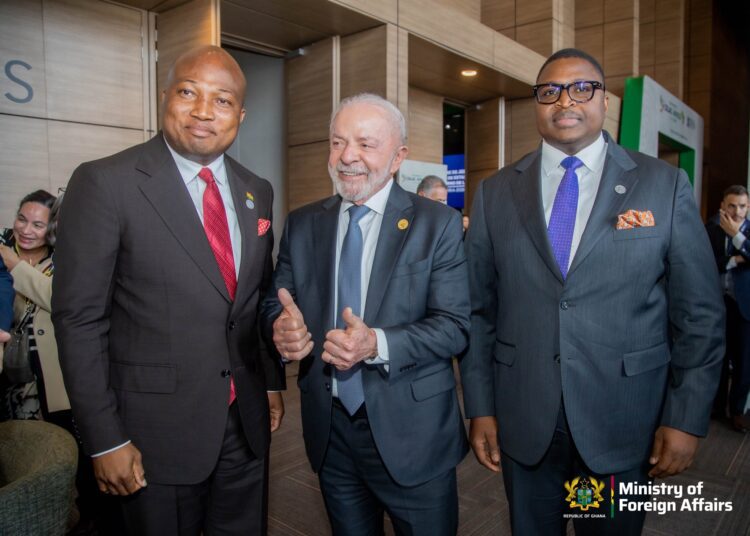
The announcement was disclosed by Ghana’s Foreign Affairs Minister, Hon. Samuel Okudzeto Ablakwa, who described the endorsement as deeply significant given Brazil’s demographic and historical connection to the transatlantic slave trade.
Brazil is home to the largest population of people of African descent outside the African continent, making its support symbolically and diplomatically important.
According to the Minister, the backing from Brazil strengthens Ghana’s growing coalition advocating for reparatory justice and global acknowledgment of historical injustices. He indicated that the expanding support base places Ghana in a strong position ahead of the scheduled consideration of the resolution.
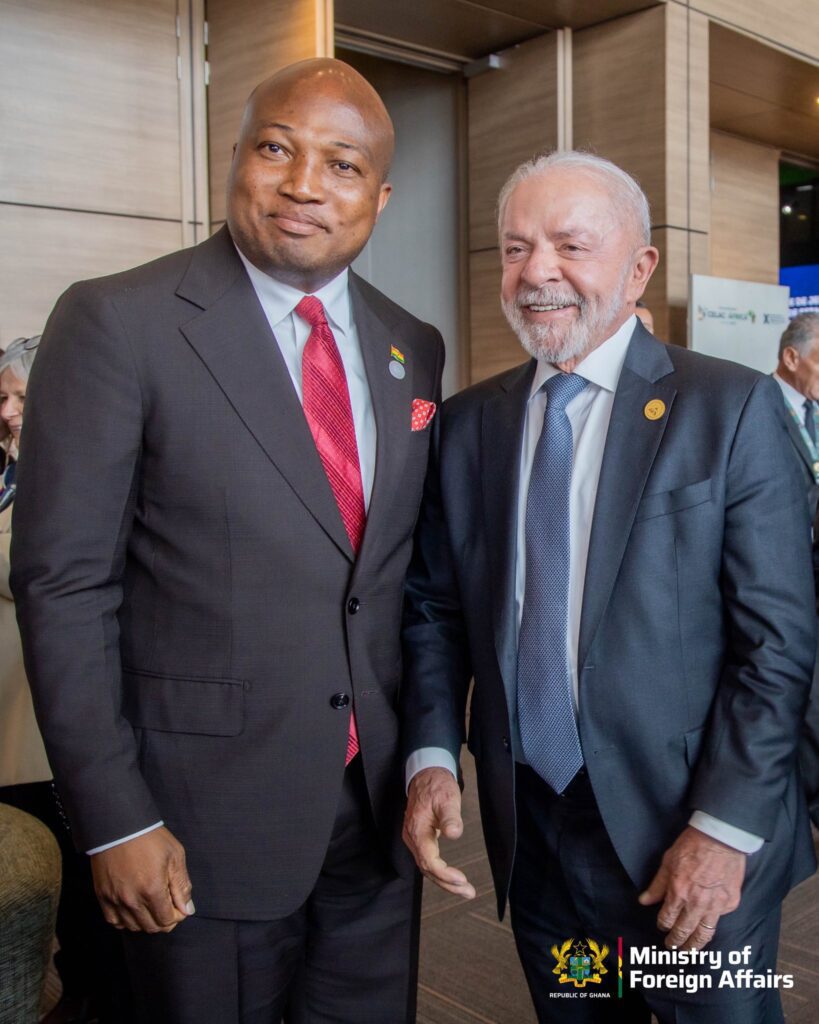
“Our reparatory justice coalition is getting bigger and better and we are confident of victory at the UN on the 25th of March, 2026,” he stated, expressing optimism about the outcome of the process.
Diplomatic Engagements Strengthen Coalition
The endorsement from Brazil follows a series of high-level diplomatic engagements aimed at rallying international support for the resolution. Hon. Samuel Okudzeto Ablakwa revealed that he engaged President Lula on the margins of the CELAC Africa Summit held in Colombia, where discussions focused on building consensus around the initiative.
He expressed appreciation for the opportunity to engage the Brazilian leader, noting that the meeting contributed significantly to strengthening bilateral and multilateral cooperation on issues of historical justice.
In a separate engagement in the United States, the Foreign Minister also held strategic discussions with the Congressional Black Caucus, a key political bloc within the US Congress known for its advocacy on issues affecting people of African descent. According to him, the Caucus has declared full support for Ghana’s draft resolution.
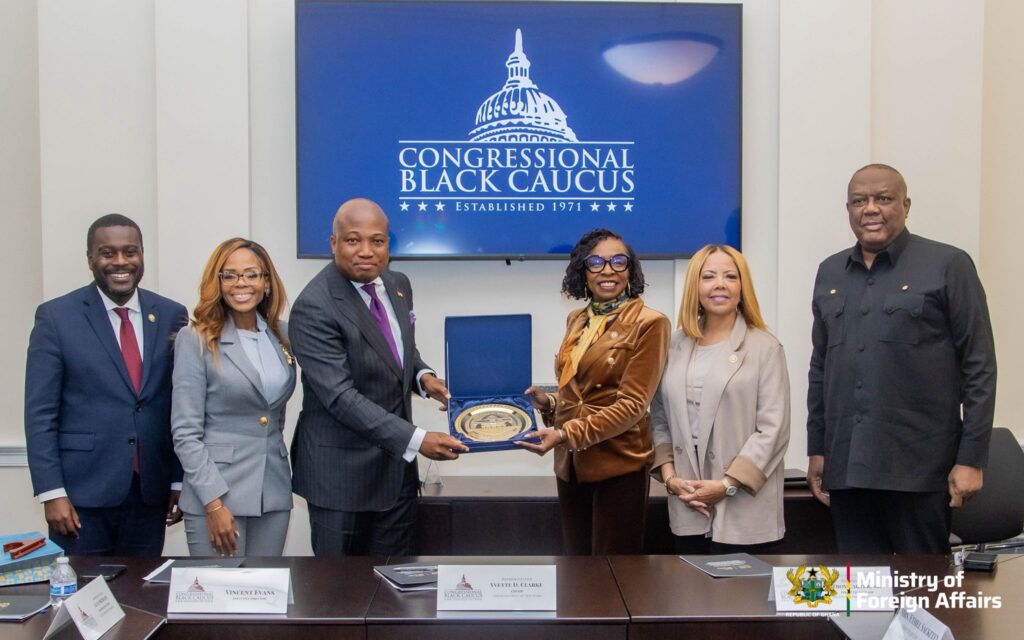
“This endorsement from the Conscience of Congress is most cherished and deeply appreciated,” he said, adding that the development provides added momentum to Ghana’s global campaign.
The meetings also resulted in an agreement to pursue a more structured and enduring collaboration between Ghana, the African Union, and the Congressional Black Caucus. The partnership is expected to focus on advancing reparatory justice, restitution, and shared interests among people of African descent.
A Landmark Moment for Historical Recognition
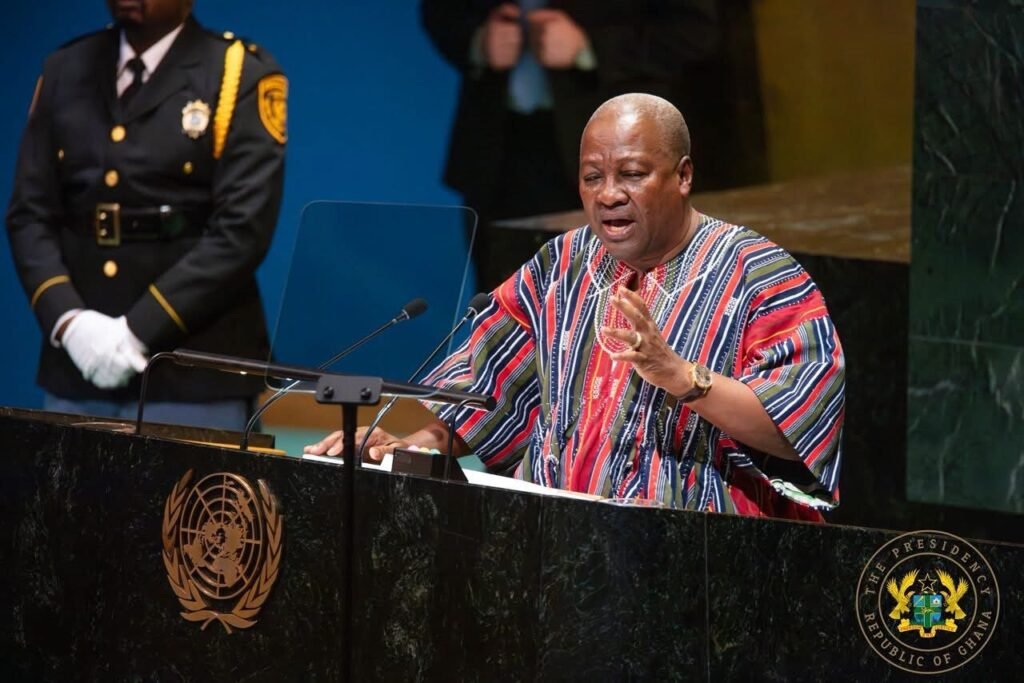
The resolution, to be presented by John Dramani Mahama, seeks to formally declare the transatlantic slave trade and the enslavement of Africans as the gravest crime against humanity. The initiative represents a major step in Ghana’s broader efforts to secure international recognition of the enduring consequences of slavery.
The move follows a commitment made by the President during his address to the United Nations General Assembly in the previous year. Ghana is leading the effort in its capacity as the African Union Champion on Reparations, working in collaboration with the Caribbean Community and other global partners.
The resolution is expected to highlight the scale, duration, and systemic nature of the transatlantic slave trade, as well as its lasting impact on global inequalities and socio economic disparities.
Advocates argue that formal recognition at the international level would serve as a foundation for meaningful dialogue on reparatory justice and healing.
Strategic Timing and Symbolism
The planned tabling of the resolution on March 25, 2026 carries strong symbolic significance, as it coincides with the International Day of Remembrance of the Victims of Slavery and the Transatlantic Slave Trade.
The alignment of the resolution with this observance is intended to reinforce the historical importance of the initiative and underscore the need for global reflection.
Officials believe that adopting the resolution on this date would mark a defining moment in international efforts to confront the legacy of slavery and promote justice for affected communities.
Ghana’s leadership in this process reflects a broader continental push for recognition and redress, as African nations and diaspora communities continue to call for accountability and reparative measures.
Momentum Builds Toward UN Decision
With endorsements from key global actors, including Brazil and influential groups within the United States, Ghana’s resolution is gaining traction ahead of the United Nations General Assembly session. Observers note that the growing coalition increases the likelihood of broad international support.
Hon. Samuel Okudzeto Ablakwa expressed confidence that the expanding partnerships will translate into a successful outcome, describing the effort as a historic opportunity to reshape global understanding of one of humanity’s darkest chapters.
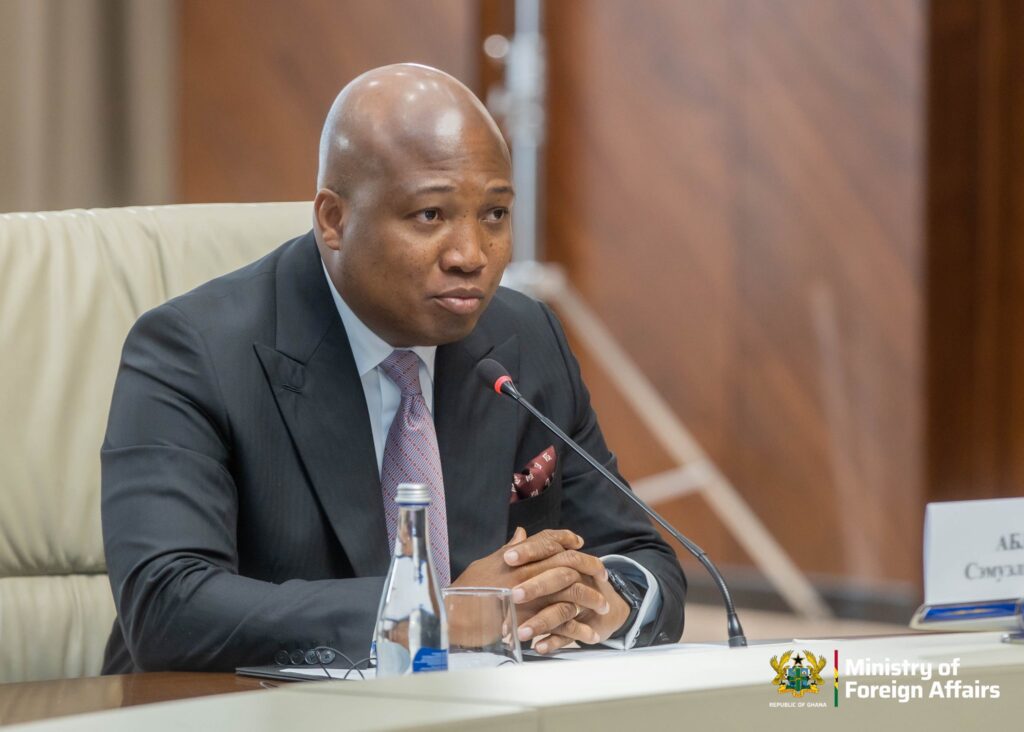
He emphasized that the initiative is not only about acknowledging the past but also about laying the groundwork for future cooperation, justice, and reconciliation.
As the March 25 date approaches, attention is expected to focus on how member states respond to the call for recognition and whether the resolution will secure the necessary backing to be adopted.
For Ghana and its partners, the moment represents both a diplomatic milestone and a moral appeal to the international community to confront history and pursue justice.
READ ALSO: Trump Gives Iran 48 Hours To Reopen Strait Of Hormuz