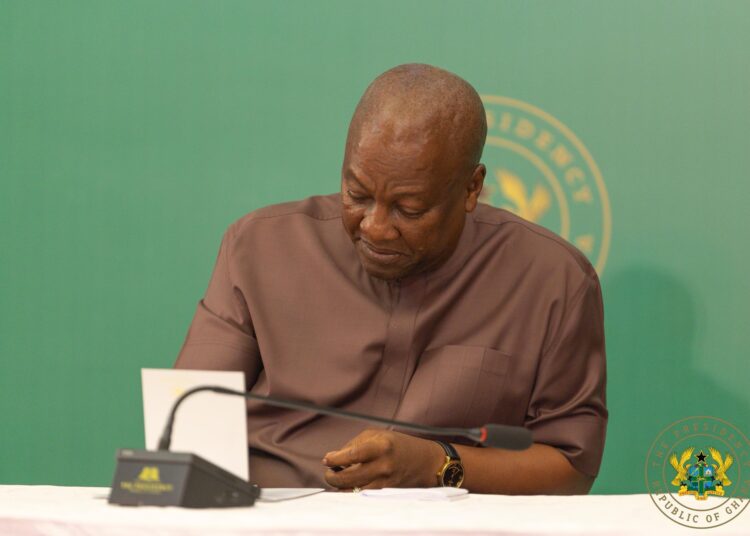
President of Ghana, HE John Dramani Mahama, has announced that the government will officially launch the Free Primary Health Care Programme on April 15, 2026, marking a significant step toward expanding access to basic health services across the country.
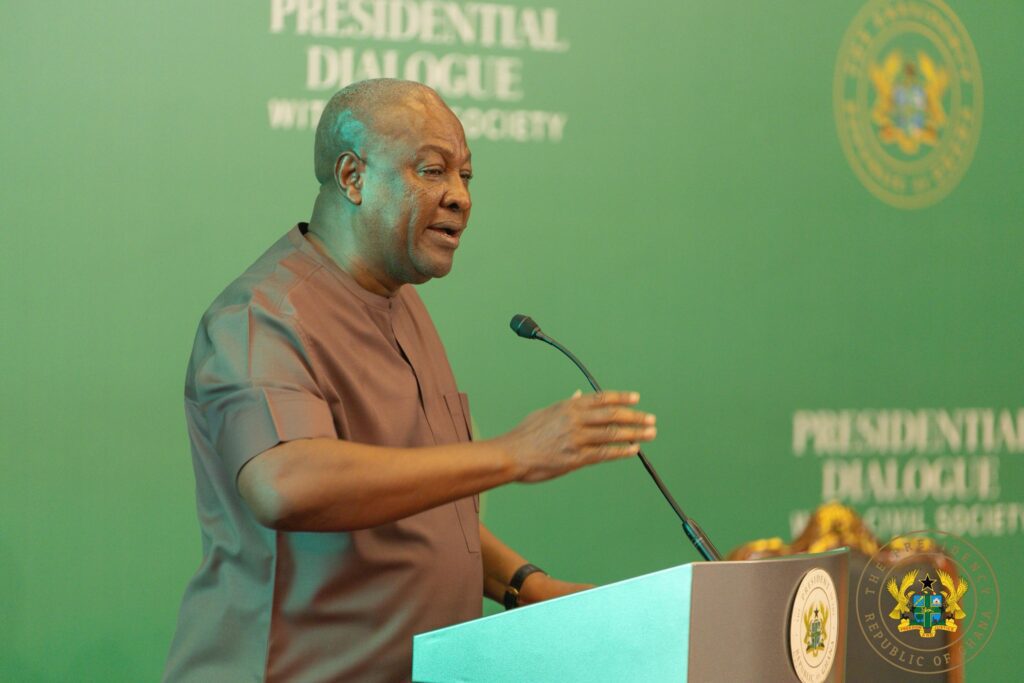
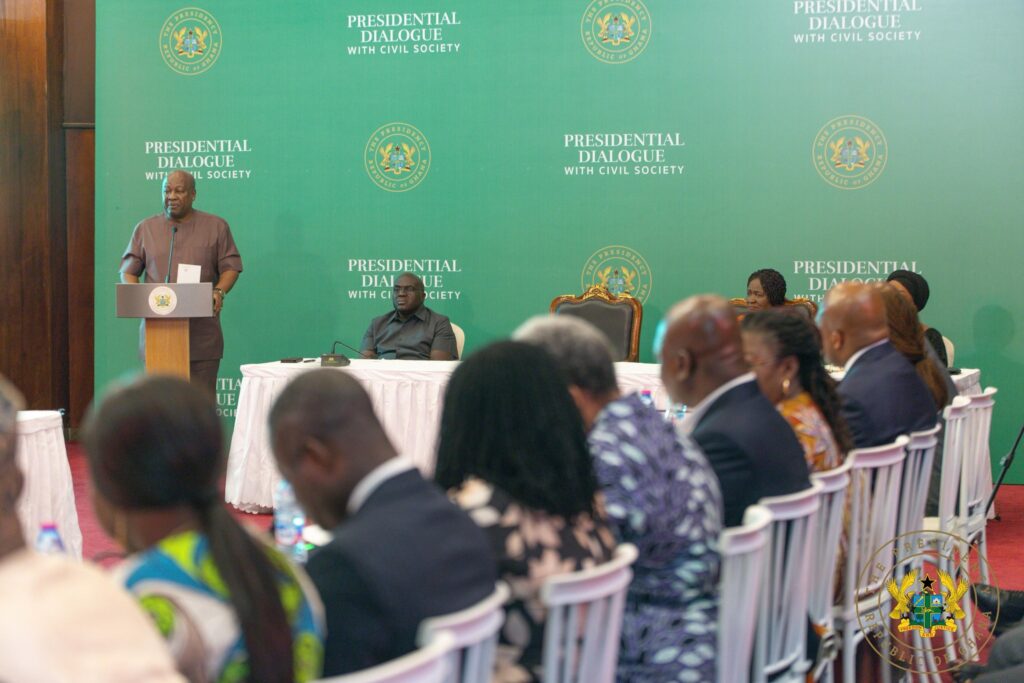
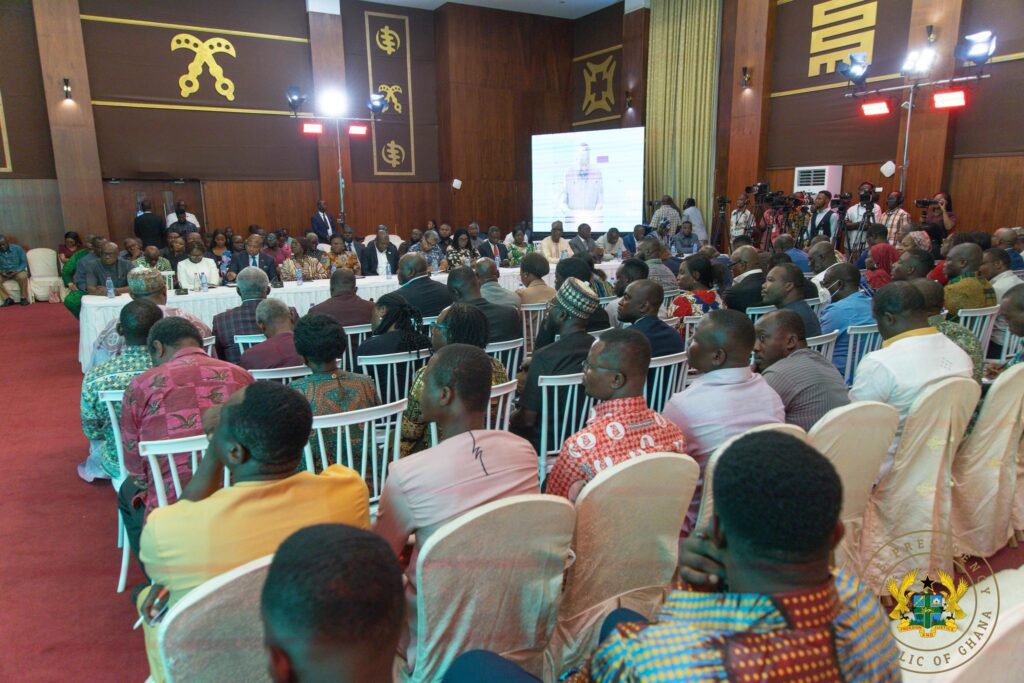
The announcement was made during a Presidential Dialogue with Civil Society Organisations at the Jubilee House, where the President outlined key priorities in Ghana’s social sector.
The initiative, a major campaign promise, is designed to address persistent barriers to healthcare access, particularly for vulnerable populations. By removing cost constraints at the primary care level, the programme aims to strengthen preventive care and improve overall health outcomes nationwide.
President Mahama emphasized that the new programme is part of a broader effort to respond to cost of living pressures and rising inequality. According to him, expanding access to healthcare remains central to building an inclusive society where no one is left behind.
The Free Primary Health Care Programme will provide universal access to essential services, including promotive, preventive, and basic curative care across the country.
Importantly, it extends coverage beyond individuals enrolled in the National Health Insurance Scheme, ensuring that even uninsured Ghanaians can access primary healthcare services without financial burden.
Implementation will span multiple levels of the healthcare system, from Community based Health Planning and Services compounds to polyclinics. This structure is intended to bring healthcare closer to communities, reducing the need for long distance travel to access basic services.
Focus on Prevention and Early Detection
A central pillar of the programme is its emphasis on preventive care. Community health workers will play a critical role by conducting door to door screenings for conditions such as hypertension and diabetes. These early interventions are expected to help identify health risks before they develop into more serious and costly illnesses.
By prioritizing prevention, the government aims to shift the focus of the healthcare system from treatment to early detection and management. This approach not only improves patient outcomes but also reduces the long term financial burden on both households and the national health system.

The programme will also integrate the provision of affordable generic medicines through community pharmacies. This ensures that patients who are diagnosed at the community level can access immediate treatment, minimizing the risk of complications.
The launch of the Free Primary Health Care Programme forms part of a wider strategy to strengthen Ghana’s social protection framework. President Mahama noted that the government is advancing complementary initiatives in education, skills development, and healthcare to support inclusive growth.
One such initiative is the Ghana Medical Trust Fund, which focuses on providing financial support for individuals with chronic conditions such as cancer and kidney disease. The Free Primary Health Care Programme is designed to work alongside this fund, creating a more comprehensive healthcare safety net.
Together, these initiatives aim to address both immediate healthcare needs and long term challenges associated with chronic illnesses. By integrating preventive and specialized care, the government seeks to build a resilient and responsive health system.
Investment and Infrastructure Development
To support the rollout of the programme, the government has allocated GH¢1.5 billion in the 2026 health sector budget. This funding will be used to expand service delivery, procure essential equipment, and upgrade healthcare facilities across the country.
Infrastructure development is a key component of the plan. The government intends to build new regional hospitals in underserved areas such as Savannah, Oti, and Western North regions. These investments are expected to bridge existing gaps in healthcare access and improve service delivery in rural and remote communities.
Upgrading existing facilities will also ensure that healthcare providers have the tools and resources needed to deliver quality care. This includes equipping facilities with modern diagnostic equipment and strengthening supply chains for essential medicines.
President Mahama called on civil society organisations to play an active role in the implementation of the programme. He highlighted the importance of public education in ensuring that citizens understand and utilize the services available to them.
Civil society groups are also expected to contribute to monitoring and evaluation efforts, providing feedback to help improve the programme over time. This collaborative approach reflects the government’s commitment to transparency and accountability in the delivery of public services.
“Your input in shaping inclusive economic policies remains invaluable to us,” the President stated, underscoring the role of non state actors in achieving meaningful and sustainable outcomes.
Anticipated Impact on National Development
The government expects the Free Primary Health Care Programme to have far reaching benefits for Ghana’s economy and social well being. By increasing access to healthcare, the initiative is likely to reduce the financial burden on families and improve overall productivity.
Early detection and treatment of diseases will help prevent complications that often result in higher healthcare costs and lost income. In the long term, a healthier population is expected to contribute more effectively to national development.
As the April 15 launch date approaches, attention will be on the government’s ability to deliver on its promise and ensure that the programme reaches communities across the country.
If successfully implemented, the initiative could mark a transformative moment in Ghana’s healthcare system, reinforcing the principle that access to basic healthcare is a fundamental right for all citizens.
READ ALSO: Gov’t to Cushion Fuel Price if Global Tensions Persist – Prez Mahama Assures