The New National Living Wage has come into force at £12.71 per hour, as the United Kingdom implement revised minimum wage rates.
The new wage structure, introduced following recommendations from the Low Pay Commission and enacted by the UK Government, forms part of the UK’s annual wage review process. These adjustments reflect current economic conditions, including inflation, cost of living, and labour market trends, while balancing support for workers’ incomes and job security.
Under the new framework, the National Living Wage applicable to workers aged 21 and over is set at £12.71 per hour. Alongside this, the minimum wage rates for younger workers have also been revised.
Individuals aged 18 to 20 will now earn £10.85 per hour, while those aged 16 to 17, as well as apprentices, are entitled to £8.00 per hour. In addition, the accommodation offset has been increased to £11.10 per day, adjusting the value assigned to employer-provided housing within wage calculations.
Baroness Philippa Stroud, Chair of the Low Pay Commission, highlighted the rationale behind the latest national living wage.
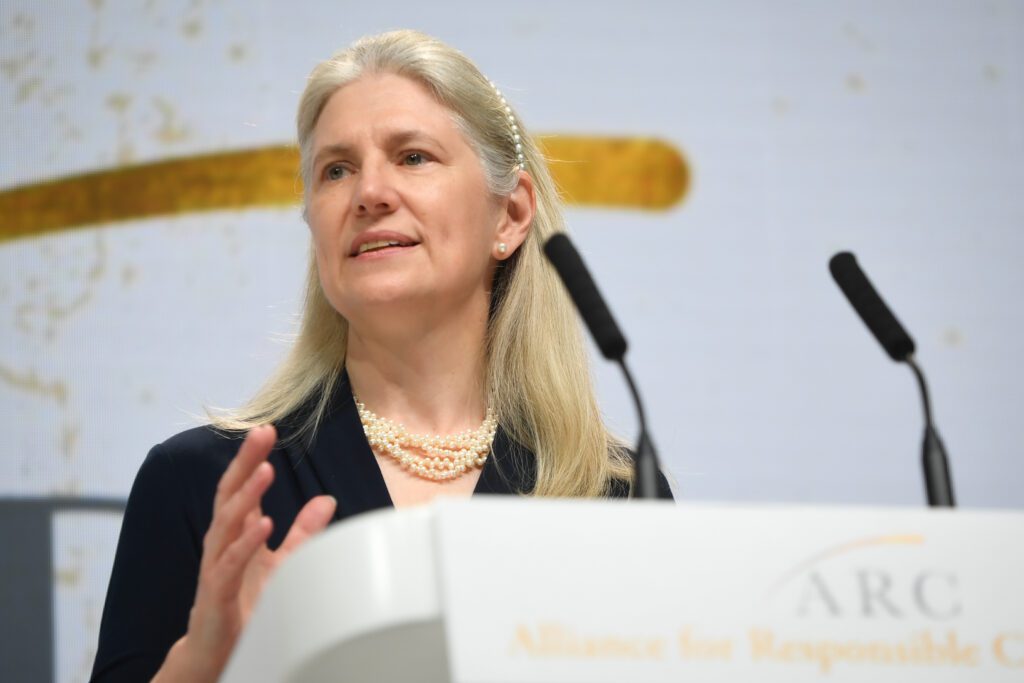
“The recommendations we made last autumn sought to balance the need to protect the economy and labour market, whilst providing a real-terms increase for the lowest-paid members of society.
“A lot has changed since we gave our advice to the Government last autumn, and we are now beginning to gather evidence for recommendations later this year. The current economic uncertainty makes it essential that the Commission hears from those affected by the minimum wage and builds consensus for evidence-based recommendations.”
Phillippa Stroud
The introduction of the new wage rates comes at a time when the UK continues to navigate a complex economic environment shaped by inflation, shifting consumer demand, and ongoing debates around productivity and labour supply.
Labour Market and Economic Implications
The coming to force of the new national living wage has been welcomed by most UK nationals.
For many households, the adjustment provides additional breathing room to manage essential expenses such as housing, transport, and food, which have continued to exert pressure on disposable incomes in recent years.
At the same time, some business owners argue that higher wage bills may force difficult operational decisions, including price adjustments or workforce reductions.
Spencer Bowman, Managing Director of a Southampton-based coffee chain, noted in an interview with a media outlet that while he supports fair pay for staff, “the cost increases have got to be sustainable.” He added that businesses like his are being squeezed by multiple factors beyond wages, including taxes and energy costs.
The increase follows recommendations from the Low Pay Commission, which evaluates economic conditions and advises the UK Government on appropriate minimum wage levels each year. The Commission has previously stated that earlier increases in the National Living Wage have “not had a significant negative impact on jobs,” a point often cited by policymakers in support of continued wage growth. However, the current economic environment has prompted renewed scrutiny from businesses facing tighter margins and broader cost inflation.
The British Chamber of Commerce highlighted labour and tax costs as key pressures on firms, with a large proportion of businesses indicating that rising expenses are influencing pricing decisions. In its quarterly survey, a significant majority of firms reported that labour costs are contributing to upward pressure on prices, suggesting that wage increases may, in some cases, be partially passed on to consumers.
Despite these challenges, there is also strong support for higher wages among workers and campaigners. Many argue that increases are necessary to keep pace with the cost of living. One worker described the rise as “a step in the right direction,” adding that people need higher incomes “so they can actually afford the basics.”
Similarly, some younger workers have expressed optimism about the increase, though concerns remain about whether it will fully address ongoing financial strain, particularly among students and entry-level employees.
The conversation also extends to whether minimum wage increases could affect employment opportunities. Some workers have raised concerns that higher labour costs might reduce hiring prospects, especially for younger job seekers.
However, others believe that businesses will adapt by adjusting prices rather than cutting jobs, maintaining employment levels while distributing costs across consumers.
The government maintains that wage increases are intended to strike a balance between worker welfare and business sustainability. Officials have indicated that the aim is to ensure “the needs of workers, the affordability for businesses and the opportunities for employment” are all taken into account when setting wage policy.
READ ALSO : NPA Moves to Expand Coordination Across Downstream Petroleum Sector