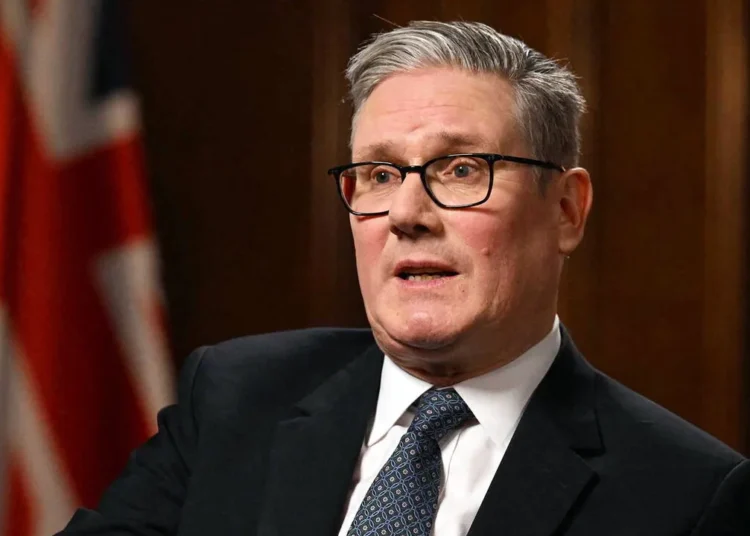
UK Prime Minister, Kier Starmer, has pledged to “always be on the side” of the British people as a sweeping package of measures comes into force, aimed at supporting workers, pensioners, and families with the cost of living.
The UK government has said unequivocally that relieving the challenges on households nationwide is its top priority during this period of global turmoil. Families continue to grapple with rising bills, the cost of the weekly shop, and concerns about how global developments may affect their finances.
As a result, the government has implemented several policies to relieve these strains now and prepare the United Kingdom for the upcoming economic shocks.
According to the Prime Minister, no matter the global uncertainty, the government will always be on the side of the British people in bearing down on the cost of living.
“I will never lose sight of how restless people are for change, and I am proud that today we are lifting nearly half a million children out of poverty, boosting support for pensioners, and delivering the biggest upgrade to workers’ rights in a generation.”
Keir Starmer
Starmer added that families across the country are worried about the conflict in Iran and its impact on the cost of living, stressing that the government is working closely with international partners to support de-escalation in the Middle East and the reopening of the Strait of Hormuz as the most effective way to ease price pressures.
Among the most significant developments is the introduction of the Employment Rights Act, which delivers day one paternity and parental leave and reforms to Statutory Sick Pay, ensuring workers can take time off when sick without worrying about losing income. These changes are described as the biggest upgrade to workers’ rights in a generation.
In addition, pensioners will see a 4.8% increase in the basic and new State Pensions, benefiting more than 12 million people and providing up to £575 a year for those on the new State Pension. Working-age benefits, including Personal Independence Payment and Housing Benefit, have also been increased, with most rising by 3.8%. The standard rate of Universal Credit has been boosted by 6.2%, marking the first permanent above-inflation increase and delivering additional annual income of around £265 for a single person or £465 for a couple.
These changes follow the recent increase in the National Living Wage and National Minimum Wage for millions of workers.
Global Uncertainty and Energy Pressures Drive Broader Strategy
UK governments approach is shaped by global developments, particularly the impact of geopolitical tensions on energy markets and the cost of living. The conflict in the Middle East has raised concerns about supply disruptions, with the Strait of Hormuz identified as a critical factor influencing global energy prices and, in turn, household costs.
For this reason, the government has introduced a five-point plan aimed at addressing the immediate impact of these pressures. Central to this plan is the reduction of energy bills by an average of household, providing short-term relief during a period of volatility. This is supported by the extension of the fuel duty cut until September, alongside close monitoring of fuel prices.
Moreover, targeted financial assistance has also been provided, including £53 million to support households most exposed to rising heating oil prices. This measure is intended to address the specific challenges faced by those who rely on alternative energy sources, ensuring that support reaches those most affected.
At the same time, the government is focusing on long-term energy security by investing in clean, home-grown energy. This approach aims to reduce reliance on global markets and enhance the UK’s ability to withstand future shocks, while also contributing to broader economic stability.
Diplomatic efforts also form another key part of the strategy. Over the past week, the Prime Minister has hosted a roundtable with leaders from the energy, insurance and shipping sectors to understand the challenges facing industry.
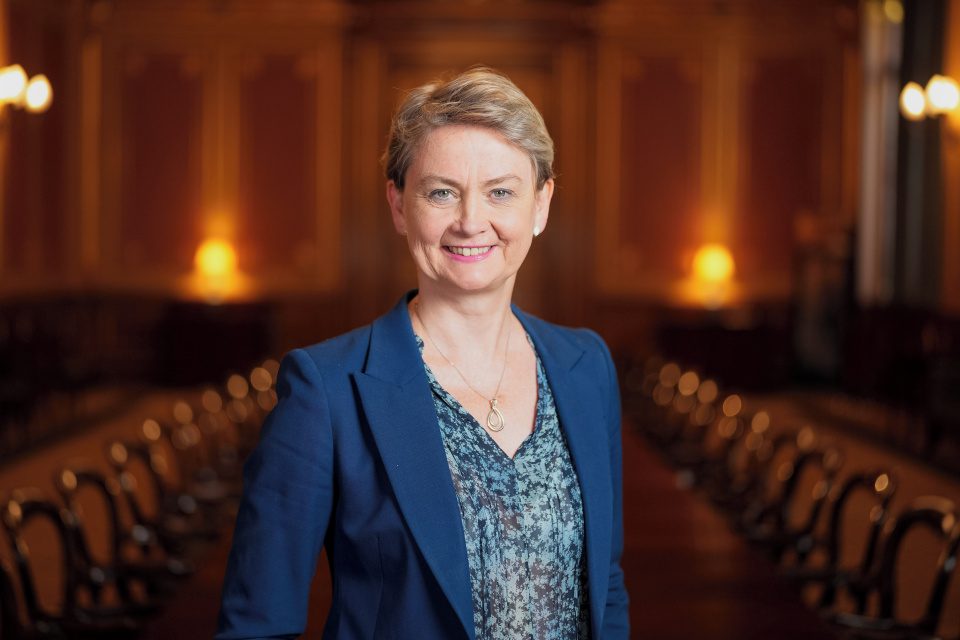
UK Foreign Secretary, Yvette Cooper, also brought together more than 40 countries to advance a plan to reopen the Strait of Hormuz and protect freedom of navigation as energy prices rise and global supply chains face increasing strain, emphasizing the importance of international cooperation in navigating the challenges posed by the US-Israeli war in Iran.
These actions highlight the government’s focus on immediate relief and long-term resilience in addressing both domestic needs and global challenges.
READ ALSO : Mahama Rejects Political Victimization, Vows Fair Support to Power Private Sector Growth