The ECOWAS Bank for Investment and Development (EBID) has recorded a remarkable rise in profitability despite a turbulent global economic environment, reinforcing its position as a key driver of regional development in West Africa.
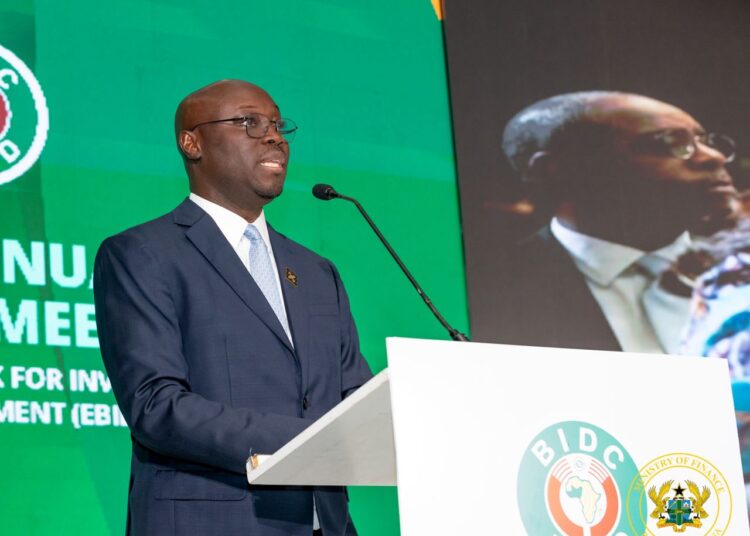
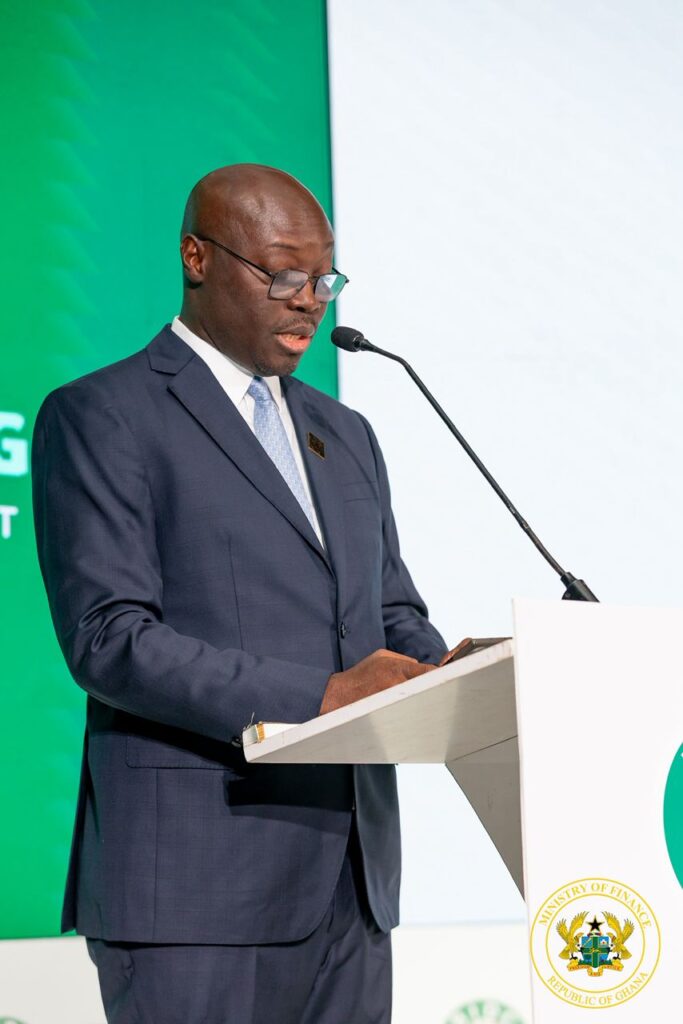
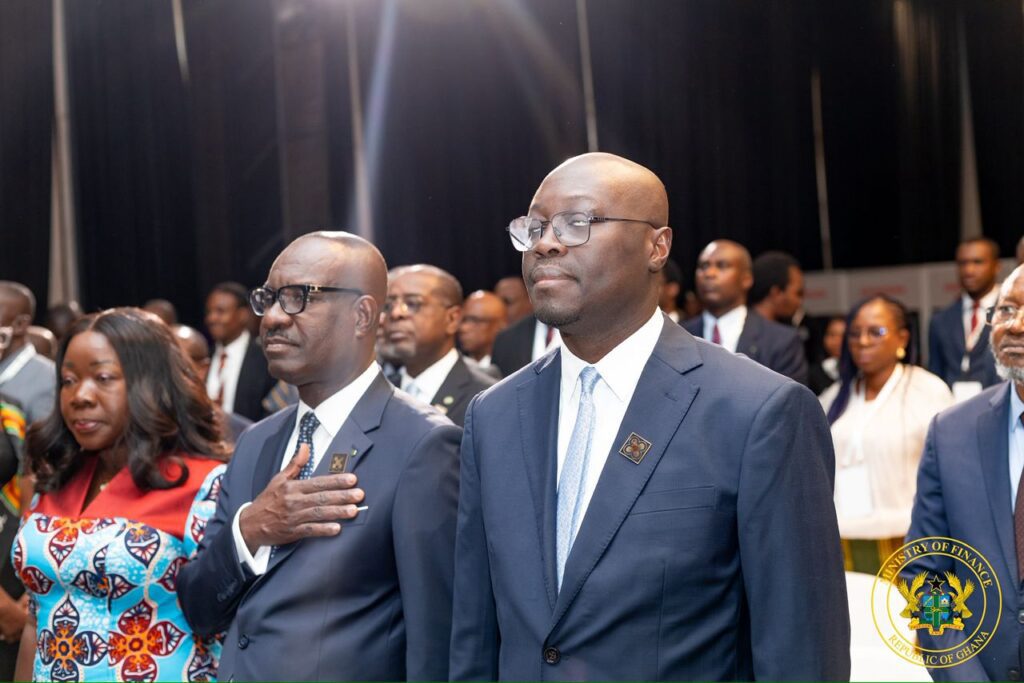
Speaking at the 24th Ordinary Session of the Board of Governors in Accra, Ghana’s Finance Minister and Chairman of the Board, Cassiel Ato Forson, highlighted the Bank’s resilience and strategic clarity in navigating a year marked by economic uncertainty.
According to him, the global economy in 2025 was shaped by what experts described as the “Great Wedge,” a period characterised by uneven growth patterns driven by rapid investment in artificial intelligence in some regions, alongside geopolitical tensions and volatile trade policies elsewhere.
He noted that such conditions created a complex operating environment for financial institutions like EBID, with divergent inflation trends, shifting commodity prices, and persistent fiscal vulnerabilities across member states.
Profit Growth Signals Institutional Strength
Despite these headwinds, EBID delivered strong financial results, with profitability rising from 8.55 million dollars in 2024 to 9.75 million dollars in 2025. This represents a 13.3 percent increase, a performance that underscores the Bank’s effective risk management and operational discipline.
The Bank’s balance sheet also expanded significantly, growing from 1.97 billion dollars in 2024 to 2.39 billion dollars by the end of 2025. This increase reflects heightened activity levels and a growing capacity to support development projects across the sub-region.
Dr Forson praised the management and staff of EBID for their professionalism and commitment, noting that the results achieved are a testament to strong governance and oversight by the Board.
Surge in Development Financing Activities
Beyond financial gains, EBID’s operational performance stood out as particularly impressive. Project approvals rose by 50 percent, while commitments surged by more than 83 percent to reach 813.77 million dollars.
These investments were largely directed toward critical sectors such as energy and transport infrastructure, which are essential for unlocking economic growth and improving connectivity within the region.
The Bank also demonstrated its catalytic role by mobilising over 510 million dollars and 310 million euros, all of which were deployed into priority projects. An additional 100 million dollars was raised through capital mobilisation efforts, further strengthening its development financing capacity.
Global Recognition and Strategic Milestones
EBID’s strong performance did not go unnoticed on the global stage. Leading credit rating agencies Moody’s and Fitch reaffirmed the Bank’s ratings at B2 Stable and B Stable respectively.
This affirmation signals confidence in EBID’s financial health, governance standards, and risk management framework, positioning it as a reliable partner for international investors and development partners.
In another major milestone, the Bank secured accreditation with the Green Climate Fund. This achievement opens new avenues for mobilising climate finance and supporting member states in building resilient and sustainable economies.
The establishment of a regional office in Abidjan further strengthens EBID’s presence in member countries, enabling faster project delivery and deeper engagement with stakeholders across the region.
Capital Challenges Threaten Growth Momentum
Despite these achievements, Dr Forson raised concerns about outstanding capital subscriptions from member states. He recalled a 2022 Board decision to increase EBID’s authorised capital to 3.4 billion dollars, alongside a call for a third tranche of subscriptions amounting to 411.4 million dollars.
However, the deadline for full payment, which was set for December 2025, has not been met. Only four countries, including Ghana, Côte d’Ivoire, Guinea, and Togo, have fulfilled their obligations.
While the Bank received 102.5 million dollars in 2025, outstanding arrears still stand at approximately 256 million dollars.
Dr Forson stressed that timely capital payments are critical to sustaining EBID’s growth and enhancing its ability to finance transformative projects. He urged member states to demonstrate renewed commitment in meeting their financial obligations to the institution.
A Call for Collective Action
The Finance Minister emphasised that the future of EBID and the broader West African economy depends on deliberate and collective action by member states.
“Our discussions here in Accra must be rigorous because the decisions we take will shape the economic future of our Bank and our region.”
Cassiel Ato Forson
He added that citizens across the region have high expectations and are looking to leaders for tangible results that will improve livelihoods and drive inclusive growth.
Dr Forson called for bold thinking, decisive action, and unity among member states, stressing that the Bank’s success must translate into meaningful development outcomes.
Ghana’s Leadership and Regional Commitment
Hosting the meeting in Accra, Ghana reaffirmed its commitment to regional integration and economic cooperation under the leadership of President John Dramani Mahama.
Dr Forson expressed gratitude for the opportunity to serve as Chair of the Board over the past year and commended the collaborative efforts of fellow Governors and EBID’s leadership, including its President, Dr George Agyekum Donkor.
He encouraged participants to take advantage of their stay to experience Ghana’s rich culture and hospitality, while also focusing on the critical task of shaping the future of the Bank.
As EBID builds on its strong performance, the focus will be on consolidating gains, addressing capital constraints, and expanding its impact across member states.
The Bank’s ability to sustain profitability and scale its operations in the face of global uncertainty highlights its growing importance as a pillar of economic development in West Africa.
With the right mix of commitment, innovation, and collaboration, EBID is well positioned to play an even greater role in driving sustainable and inclusive growth across the region.
READ ALSO: April Inflation Uptick Expected Amid Cost Pressures