Ghana’s inflation story continues to reflect a remarkable period of stability, even as early signs of renewed price pressures begin to emerge.
According to the latest report by Ghana Statistical Service (GSS), inflation eased slightly to 3.2 percent year-on-year in March 2026, marking the fifteenth consecutive month of disinflation. On a month-on-month basis, prices remained largely flat, increasing by just 0.1 percent.
This sustained decline in inflation has surprised analysts, particularly against the backdrop of rising global energy costs and supply disruptions. The March outturn suggests that Ghana’s price environment remains firmly anchored, supported by strong policy measures and subdued cost pass-through.
However, the narrative is expected to shift slightly in April. IC Research forecasts a modest uptick in inflation to 3.4 percent year-on-year and 1.0 percent month-on-month, reflecting the gradual build-up of underlying cost pressures.
Energy Costs Begin to Filter Through
The anticipated rise in inflation is largely tied to developments in the global energy market. The ongoing Middle East conflict has driven a surge in fuel prices, with domestic indicators already reflecting the impact. Petrol prices have risen by 10.9 percent year-to-date, while diesel prices have surged by 32.1 percent.
Despite these increases, the transmission into broader consumer prices has so far been limited. Analysts note that while energy costs typically influence transport and production expenses, the immediate pass-through into inflation has remained contained.
This muted response is attributed to Ghana’s strong macroeconomic framework and policy interventions, which have helped cushion the economy against external shocks. The current inflation level also provides significant room for adjustment without destabilising price expectations.

Strong Policy Buffer Supports Stability
At 3.2 percent, inflation remains well below the target band set by the Bank of Ghana. This creates substantial policy headroom, allowing authorities to respond effectively to emerging risks.
IC Research highlights that inflation currently sits far below key thresholds, offering a strong buffer against potential shocks. The combination of a high real policy rate and supportive fiscal measures has reinforced confidence in the central bank’s ability to maintain stability.
The report suggests that Ghana’s inflation framework is now “shock-ready,” capable of absorbing external pressures without triggering significant volatility. This resilience is particularly important as global uncertainties continue to weigh on emerging economies.
Food and Supply Chain Dynamics
Food inflation also contributed to the overall moderation in price levels, easing slightly to 2.3 percent year-on-year. The decline was driven by disinflation across several sub-groups, even as certain categories experienced temporary price spikes.
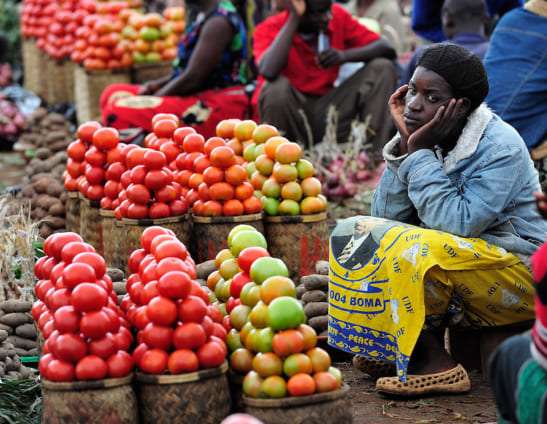
One notable pressure point was the vegetables and tubers category, which recorded a sharp increase in inflation. This was partly due to disruptions in tomato imports from Burkina Faso, highlighting the sensitivity of Ghana’s food supply chain to regional developments.
Despite this, the category remained in deflation territory, underscoring the broader trend of subdued food prices. Analysts believe this indicates sufficient capacity within the system to absorb short-term supply shocks without triggering sustained inflationary pressures.
Mixed Signals from Non-Food Inflation
Non-food inflation mirrored the overall trend, declining to 3.9 percent year-on-year. However, underlying dynamics reveal a more complex picture. While several divisions recorded disinflation, others experienced mild reflation.
Transport costs, often a key channel for transmitting energy price shocks, remained in deflation for the tenth consecutive month. This suggests that the sector still has room to absorb higher fuel costs before passing them on to consumers.

On the other hand, services inflation recorded a notable increase, rising to 7.2 percent year-on-year. Although this reflects growing demand pressures, its overall impact is moderated by the heavier weighting of goods in the consumer price index. Goods inflation declined significantly, helping to stabilise the broader inflation outlook.
Outlook for the Rest of 2026
For the rest of 2026, IC Research maintains a cautiously optimistic outlook for inflation. Despite the expected uptick in April, inflation is projected to remain in single digits throughout 2026. The report suggests that inflation could end the year close to the midpoint of the central bank’s target range.
Several factors are expected to support this trajectory, including the continued impact of fiscal measures such as the lower VAT regime and the central bank’s tight monetary stance. These policies are likely to counterbalance the effects of rising energy prices and currency pressures.
Nevertheless, risks remain. A prolonged escalation in global energy prices or further disruptions in supply chains could intensify inflationary pressures. The slight depreciation of the cedi also adds to the cost dynamics, although its impact has so far been limited.
Balancing Stability and Emerging Pressures
Ghana’s inflation performance in recent months reflects a delicate balance between stability and emerging risks. The sustained disinflation trend demonstrates the effectiveness of policy measures, while the anticipated April uptick signals the beginning of a new phase driven by external cost pressures.
For policymakers, the challenge will be to maintain this balance, ensuring that inflation remains contained without stifling economic recovery. The current policy buffer provides a strong foundation, but vigilance will be essential as global conditions evolve.
As Ghana navigates this transition, the resilience of its inflation framework will be tested. For now, the outlook remains stable, with only a modest rise in inflation expected in the near term.
READ ALSO: Urgent Peace Brokered in Three-Nation Onion Trade Impasse