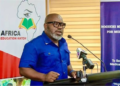
Ghana’s healthcare landscape is undergoing a significant transformation with the rollout of the Free Primary Healthcare programme, a policy that has drawn strong endorsement from public health experts and policy analysts.
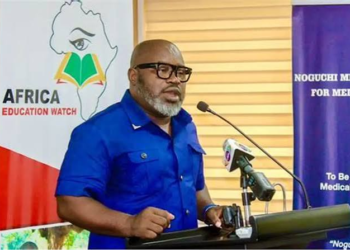
Dr Kwame Sarpong Asiedu, renowned pharmacist and CDD-Ghana Public Health Fellow, has described the initiative as one of the most impactful reforms in the country’s health system in recent history.
Reflecting on years of advocacy, he noted that the policy represents a long-awaited breakthrough. “They say it is impossible until it is done,” he remarked, adding that the programme stands as a major step toward improving access and outcomes in Ghana’s healthcare system.
The initiative, which is officially set to be launched by President John Dramani Mahama today at 10:00 AM on Wednesday, 15 April 2026, at the Shai Osudoku District Hospital, is designed to expand access to essential health services and move the country closer to universal health coverage.
Reorienting Healthcare Toward Prevention
At the core of the Free Primary Healthcare programme is a deliberate shift from treating illness to preventing it. Dr Asiedu emphasized that Ghana’s health system has historically focused on curing disease rather than identifying risks early.
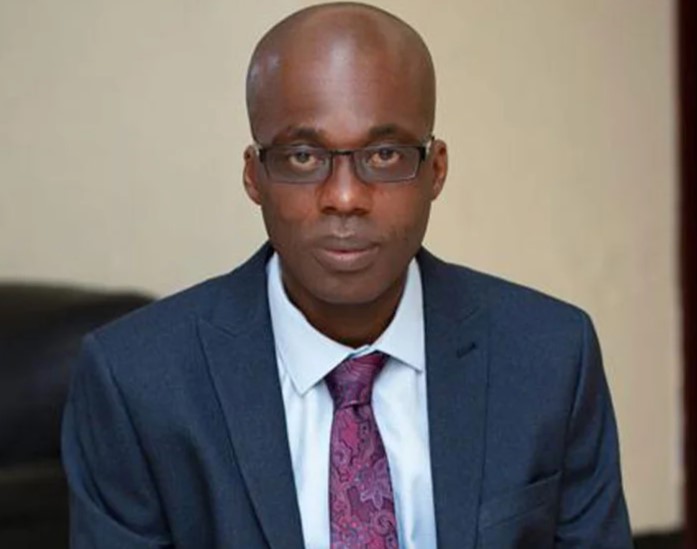
“The earlier you get diagnosed, the greater the impact on health outcomes,” he explained, stressing that many Ghanaians live with undiagnosed chronic conditions such as hypertension and diabetes.
He warned that a delayed diagnosis often leads to severe complications that could have been avoided through early screening and intervention. The new programme aims to change this pattern by promoting mass population-based screening and proactive healthcare.
Through routine checks and community outreach, individuals can be identified early and placed on treatment plans before their conditions worsen.
Expanding Access Without Financial Barriers
One of the defining features of the programme is its commitment to removing financial barriers to care. Services under the defined primary healthcare package are provided free at the point of access, ensuring that cost does not prevent individuals from seeking treatment.
The programme covers a broad range of services, including screenings for chronic diseases, maternal and child health care, treatment for common illnesses, and basic diagnostic services.
Accessible to all Ghanaians regardless of income or insurance status, the initiative is expected to significantly improve health outcomes, particularly in underserved communities.

Patients can access services at CHPS compounds, health centres, and polyclinics using simple identification such as a Ghana Card or voter ID, with alternative arrangements for those without formal identification. The rollout begins with 150 underserved districts, with plans to expand nationwide over time.
Complementing the National Health Insurance Scheme
While the programme has been widely praised, it has also sparked debate about its relationship with the National Health Insurance Scheme. Policy analyst and IMANI’s senior Vice President Kofi Bentil, suggested that the initiative may not be fundamentally different from existing systems, describing it as an extension of the NHIS.
However, Dr Asiedu strongly disagreed, arguing that the two serve distinct purposes. “The NHIS has never been involved in preventive and promotive health,” he said. “Our system has been designed to treat the sick, not to identify illness among the healthy.”
According to him, the Free Primary Healthcare programme introduces a new dimension by focusing on prevention, thereby complementing the NHIS rather than duplicating it.
While the NHIS continues to cover advanced treatments and specialized care, the new policy focuses on early detection and basic care at the community level.
Beyond improving access, the programme is expected to deliver significant economic benefits. Early detection and management of diseases can reduce the cost of treatment and prevent expensive complications.
Dr Asiedu noted that preventive care not only saves lives but also reduces the financial burden on the healthcare system. By addressing health issues before they escalate, the programme can improve productivity and contribute to broader economic development.

The initiative is estimated to cost between GH₵1.2 billion and GH₵1.5 billion annually, funded largely through oil revenues. While the investment is substantial, proponents argue that the long term benefits outweigh the costs.
Changing Health Seeking Behaviour
A central goal of the programme is to transform how Ghanaians approach healthcare. Historically, many individuals have sought medical attention only when they are seriously ill. “Most people do not go to the hospital unless they are unwell,” Dr Asiedu observed. The new policy aims to encourage regular health checks and proactive care.
Through community engagement and outreach, the programme seeks to embed preventive healthcare into everyday life, making early diagnosis and treatment the norm. This cultural shift is seen as critical to improving long term health outcomes and reducing preventable deaths.
As the Free Primary Healthcare programme begins its rollout, it represents a defining moment for Ghana’s health sector. By prioritizing prevention, accessibility, and equity, the initiative has the potential to reshape the country’s healthcare system.

Dr Asiedu’s endorsement reflects broader optimism among public health advocates who see the policy as a necessary step toward a more resilient and inclusive health system.
While challenges remain in implementation and sustainability, the programme’s success could set a new standard for healthcare delivery in Ghana. For many Ghanaians, the message is clear. Free Primary Healthcare is not just a policy initiative, but a fundamental shift in how the nation approaches health and well-being.
READ ALSO: President Mahama To Launch 2025 National Export Statistics Exhibition