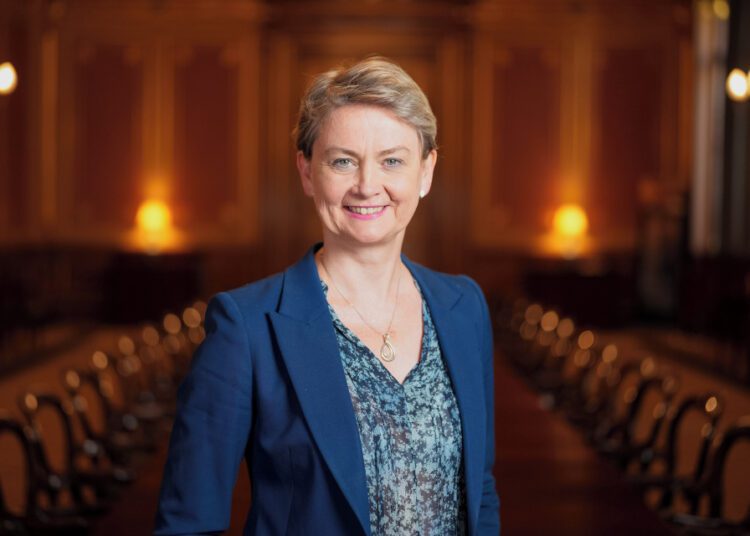
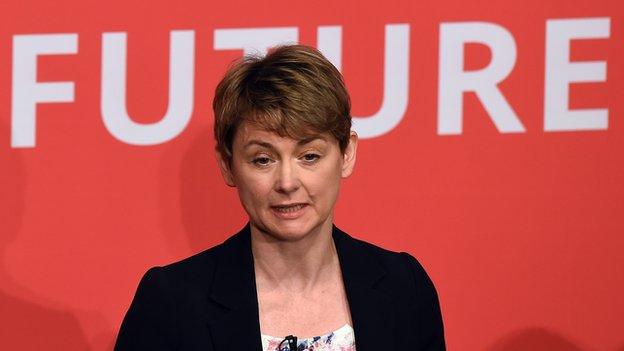
United Kingdom has pledged a £146 million humanitarian aid package for Sudan, as Yvette Cooper travels to Berlin for the International Sudan Conference, signalling renewed efforts to respond to what is widely regarded as one of the world’s most severe humanitarian crises.
Sudan is currently facing an emergency of unprecedented scale, marked by widespread famine, mass displacement, and escalating violence against civilians. According to the United Nations Fact-Finding Mission, atrocities in areas such as El-Fasher bear the hallmarks of genocide, including mass killings, ethnic targeting, and systematic sexual violence against women and girls.
UK government confirmed it will maintain its £146 million humanitarian commitment for the 2026–2027 financial year, with a strong emphasis on supporting frontline responders and Sudanese-led organisations operating in some of the most inaccessible regions.
A significant portion of the funding will go to Emergency Response Rooms (ERRs), which work at the community level to deliver food, water, medical supplies, sanitation materials, and psychological support to populations cut off from conventional aid systems.
Through this expanded support, UK aims to reach more than 1.8 million people affected by violence, displacement, and food insecurity. The approach reflects a growing focus on localisation, with direct funding to Sudanese aid groups more than doubling from £6 million to £15 million ensuring assistance is delivered efficiently by those closest to affected communities.
This includes continued collaboration with Proximity 2 Humanity, which facilitates aid delivery through local networks. At the same time, the UK has increased funding for Sudanese human rights defenders, recognising their critical role in documenting abuses and ensuring accountability. Initiatives such as Sudan Witness are central to capturing evidence and amplifying the experiences of affected populations.
According to the Foreign Secretary, Yvette Cooper, after 3 years of brutal war, the world can no longer claim it does not know what is happening in Sudan.
“Sudan’s civilians are already doing their part. Their courage is inspiring. That is why we are protecting the UK’s humanitarian support to Sudan and doubling our funding to these local responders, helping them to reach nearly 2 million people. The world must now stand with them and renew our determination to bring this war to an end.”
Yvette Cooper
Sudan Conflict Escalates Into World’s Worst Humanitarian Emergency

Sudan’s civil war, which erupted in 2023, has since spread across large parts of the country, driving Africa’s third-largest nation into a prolonged and deepening humanitarian catastrophe.
The conflict originated from a breakdown in relations between army chief Abdel Fattah al-Burhan and Rapid Support Forces leader Mohamed Hamdan Dagalo. The two men had previously governed together following the 2021 military takeover that derailed Sudan’s transition toward civilian rule after the 2019 ousting of long-time president Omar al-Bashir. However, their partnership eventually collapsed, triggering full-scale fighting that has since engulfed both urban centres and rural regions across the country.
The human toll of the war has been severe and continues to rise. Estimates indicate that at least 20,000 people have been killed. However, humanitarian organisations caution that the actual figure is likely far higher due to restricted access and ongoing insecurity in many conflict zones.
Displacement has reached unprecedented levels, with roughly 13 million people forced to flee their homes. This has created what is now regarded as the world’s largest displacement crisis, with many civilians seeking refuge in overcrowded camps or crossing into neighbouring countries, placing significant strain on already limited regional humanitarian resources.
At the same time, food insecurity has escalated sharply. The World Food Programme estimates that nearly 25 million people around half of Sudan’s population are now facing extreme hunger. In many areas, ongoing insecurity and restricted access have severely disrupted the delivery of essential food and medical assistance, worsening the risk of famine conditions.
Despite the scale of the crisis, UK-funded assistance has reached more than 2.5 million people across Sudan. This support has included life-saving food aid for children at risk of starvation, the delivery of clean water and essential medicines to hard-to-reach communities, and protection services for women and girls affected by sexual violence.
UK Calls for Ceasefire and Stronger International Action
Moreover, United Kingdom has called for renewed international efforts to secure a ceasefire in Sudan, as it steps up diplomatic engagement at the International Sudan Conference aimed at ending the country’s protracted conflict.
The government advocates for coordinated global action to halt the conflict and establish conditions for meaningful political dialogue between the warring parties.
With large segments of the population still cut off from consistent aid delivery, the government believes that addressing both access constraints and violations against civilians is essential to improving the effectiveness of the international response and alleviating the worsening humanitarian crisis.
READ ALSO : Israel, Lebanon Hold Direct Talks