The International Monetary Fund (IMF) has expressed renewed optimism about Ghana’s economic trajectory as the country approaches the conclusion of its Extended Credit Facility programme in August 2026.
After years of fiscal strain, debt restructuring, and macroeconomic instability, the Fund believes Ghana has made meaningful progress toward stabilising its economy.
This positive outlook comes on the back of structural reforms implemented over the past three years, which have improved fiscal management, strengthened institutions, and restored some level of investor confidence. The IMF noted that Ghana’s economic position today reflects significant improvements compared to the pre-programme period, when the country faced acute fiscal imbalances and debt vulnerabilities.
IMF Applauds Structural Reforms
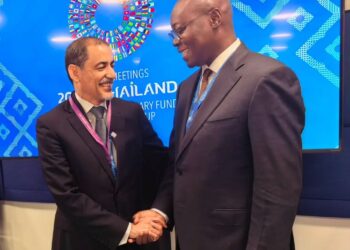
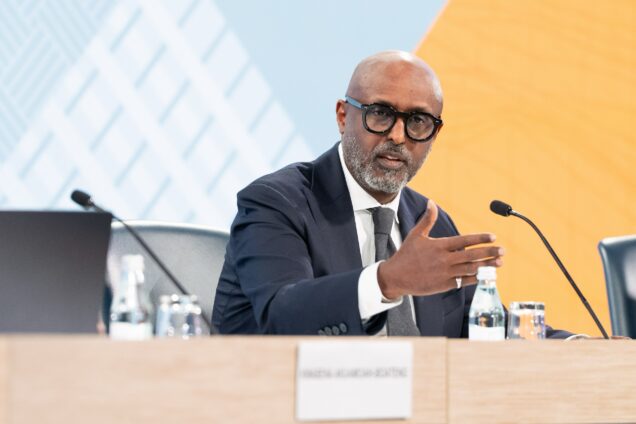
Speaking on Ghana’s progress, Abebe Aemro Selassie highlighted the importance of the reforms undertaken under the programme. According to him, these reforms have laid a solid foundation for sustained growth and economic resilience.
“We are encouraged by the reforms Ghana has undertaken and how these will shape the economy when the programme ends,” he stated, underscoring the IMF’s confidence in Ghana’s reform agenda.
The reforms have included fiscal consolidation measures, improvements in revenue mobilisation, and strengthened public financial management systems. Additionally, efforts to enhance transparency and accountability have contributed to restoring credibility in Ghana’s economic governance.
Discipline Remains Critical for Stability
Despite the positive outlook, the IMF has cautioned that maintaining fiscal discipline will be essential to preserving the gains achieved so far. The Fund emphasised that Ghana must avoid slipping back into the unsustainable fiscal practices that triggered the need for external support in the first place.
Mr. Selassie stressed the need for a delicate balance between development spending and fiscal prudence. “It is critical to ensure a continued balance between addressing development needs and avoiding a return to the sustainability challenges that necessitated the programme,” he explained.
This warning comes at a time when Ghana faces increasing pressure to expand public spending to meet infrastructure and social needs. The IMF’s message is clear. Growth must not come at the expense of fiscal sustainability.
Responsibility Lies with Domestic Stakeholders
The IMF has also made it clear that the long-term success of Ghana’s economic recovery will depend largely on domestic stakeholders. While the Fund provides financial support and policy guidance, the responsibility for maintaining discipline rests with the government, private sector, and civil society.
“This is for the people of Ghana, the government, the private sector, and civil society. It is not for the IMF,” Mr. Selassie emphasised. He expressed hope that the lessons learned during the recent economic crisis will guide future policy decisions and prevent a relapse into instability.
This statement reinforces the importance of local ownership of reforms and policy continuity beyond the IMF programme period.
Progress Under the IMF Programme
Ghana secured a 3 billion dollar Extended Credit Facility arrangement with the IMF in May 2023 as part of efforts to stabilise the economy. Since then, the country has received approximately 2.8 billion dollars following the successful completion of multiple programme reviews.
The IMF has described Ghana’s performance under the programme as broadly satisfactory. All end-June 2025 performance criteria and indicative targets were met, demonstrating the government’s commitment to programme objectives.
Key prior actions required for the fifth review were also completed. These included an audit of 2024 payables, cleansing of taxpayer registry data, and submission of the 2026 budget to Parliament in line with programme goals.
While some structural benchmarks were missed or delayed, notable progress has been made. For instance, the long-awaited strategy for state-owned banks was eventually implemented in September 2025, marking a significant step in financial sector reforms.
Extension Signals Final Phase of Programme
To ensure a smooth conclusion of the programme, the IMF has approved a three-month extension from May to August 2026. According to the Fund, this extension is intended to provide sufficient time to complete the sixth and final review.
The IMF noted that the additional period will allow for comprehensive assessment of full-year 2025 data and early 2026 economic performance. This will support informed policy discussions and facilitate the preparation of final documentation for Board approval.
Officials have clarified that the extension is purely technical and does not indicate any major setbacks in programme implementation. Instead, it reflects the IMF’s commitment to ensuring a thorough and credible exit process.
Global Context and Additional IMF Support
Beyond Ghana, the IMF is also responding to broader global economic challenges. Kristalina Georgieva has revealed that the Fund is considering a support package ranging between 20 billion and 50 billion dollars to assist countries affected by developments in the Middle East.
Early assessments suggest that African and low-income countries are among the hardest hit, highlighting the interconnected nature of global economic risks. The IMF is exploring options to provide additional financing through existing instruments, as well as accommodating new programme requests from affected nations.
This global support initiative underscores the IMF’s role in stabilising economies during periods of external shocks while reinforcing resilience in vulnerable regions.
Outlook Beyond the IMF Programme
As Ghana prepares to exit its IMF programme in 2026, the outlook remains cautiously optimistic. The country has made commendable strides in restoring macroeconomic stability and implementing critical reforms.
However, the path ahead will require sustained commitment to fiscal discipline, prudent economic management, and continued structural reforms. The IMF’s endorsement provides a strong signal of confidence, but it also comes with a clear warning.
The gains achieved must be protected. Any deviation from disciplined fiscal policies could undermine the progress made and expose the economy to renewed vulnerabilities.
For Ghana, the post-programme era presents both an opportunity and a test. The decisions made in the coming years will determine whether the country can consolidate its recovery and achieve long-term economic resilience.
READ ALSO: Ghana Secures FAO Backing for Industrial Aquaculture Drive