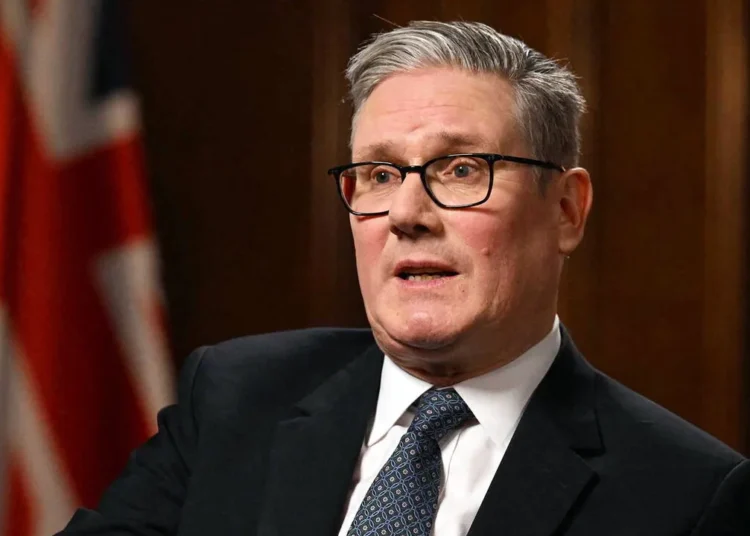
UK Government has backed Prime Minister, Keir Starmer as pressure grows over Mandelson vetting controversy, with ministers rejecting claims that Starmer misled Parliament or should step down.
This controversy centres on the appointment of Lord Mandelson as UK ambassador to the United States, which proceeded despite a recommendation from the government’s security vetting agency that he had not cleared the required checks. While UK Security Vetting is responsible for carrying out assessments and issuing recommendations, departments retain the authority to reject those findings.
The government maintains that neither the Prime Minister nor senior ministers were made aware at the time that Lord Mandelson had failed to pass security vetting.
Chief Secretary to the Prime Minister, Darren Jones has defended the government’s position, insisting that Sir Keir Starmer would not resign and had not misled Parliament over the matter.
“This is because UK Security Vetting undertake their investigations and then makes a recommendation to the department, who can reject the recommendation, which is the process that is allowed to be followed.”
Darren Jones

According to Jones, it is “astonishing” the Foreign Office was allowed to overrule the recommendation that Mandelson should not be given his security clearance, stating that the Prime Minister was informed by the Foreign Office that “Mandelson has been given security clearance.”
Jones added that the government only became aware of the failed vetting after reviewing UK Security Vetting recommendations, and that ministers were informed once it became clear the advice had been to reject the appointment.
He further indicated that the Prime Minister acted on the information provided at the time, as internal processes and communication between departments continue to come under scrutiny.
However, opposition leaders have stepped up their criticism. Liberal Democrat leader Sir Ed Davey called for the Prime Minister to resign, describing the handling of the case as “catastrophically poor judgement” and arguing that responsibility cannot be shifted onto a senior civil servant alone.
He said it was “inconceivable” that such a sensitive matter would not have been escalated to ministers, given its national security implications.
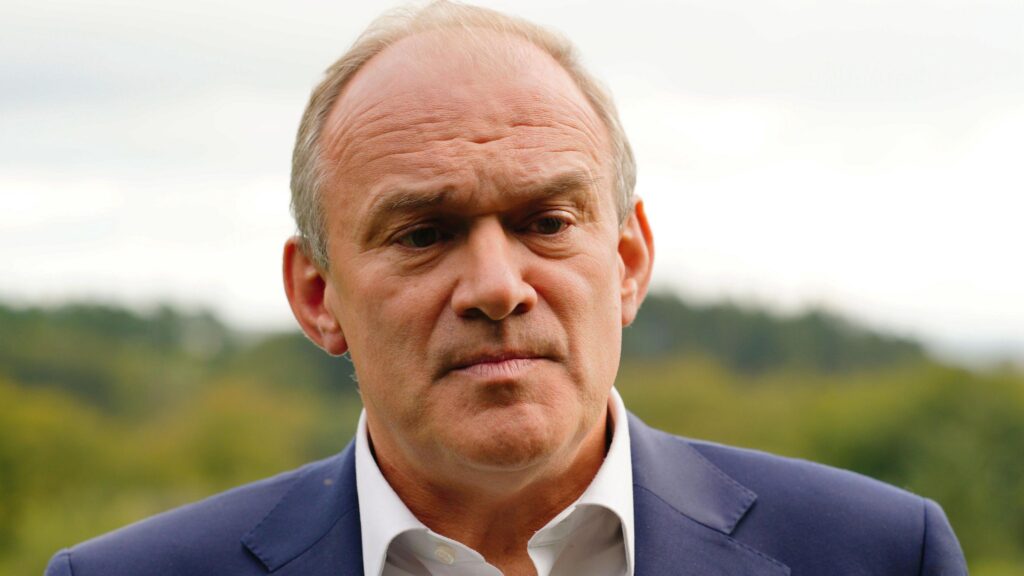
Sir Ed also questioned whether the government’s explanation fully accounted for how the failed vetting was handled internally, suggesting that either critical information was not passed on or that there had been a serious breakdown in communication across government.
Conservative leader Kemi Badenoch also criticised the handling of the appointment, stating “It is completely preposterous that the prime minister, the former chief prosecutor of this country, did not ask basic questions, did not ask to look at the security vetting himself.”
As scrutiny intensifies, questions continue over what was known within government, when it was known, and why key security vetting decisions were not escalated.
Top Foreign Office Official to Leave Post after Mandelson Vetting Controversy
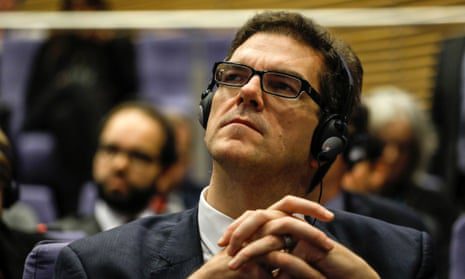
Meanwhile, Foreign Office’s most senior civil servant, Sir Olly Robbins, is set to leave his post after the department failed to inform the Prime Minister that Lord Mandelson had not passed security vetting for his appointment as UK ambassador to the United States, intensifying scrutiny over how sensitive security information was handled within government.
According to reports, UK Prime Minister, Sir Keir Starmer and Foreign Secretary, Yvette Cooper have lost confidence in Sir Olly, with officials effectively confirming he has been removed from his role as Permanent Under-Secretary at the Foreign Office.
Sir Olly Robbins, who previously served as Theresa May’s chief Brexit negotiator before being appointed Permanent Under-Secretary in January 2025, has also faced criticism from MPs over his role in the handling of the case. Questions have been raised about whether appropriate information was escalated to ministers following the outcome of the security assessment.
Labour MP Emily Thornberry, chair of the Commons Foreign Affairs Committee, said she felt “misled” after evidence given to her committee last November did not fully disclose that Lord Mandelson had failed vetting.
The developed vetting process, carried out by UK Security Vetting within the Cabinet Office, involves detailed checks on financial history, criminal records and personal background, as well as structured interviews assessing an individual’s suitability to access sensitive information. It is also designed to ensure that those appointed to high-security roles do not present risks related to exploitation, coercion or misuse of classified material.
In this case, questions have now emerged over how the Foreign Office handled the outcome of that process and why senior ministers were not properly informed of the results at the time key decisions were being made.
READ ALSO : Ghana Secures FAO Backing for Industrial Aquaculture Drive