UK’s Labour Party has moved ahead of Reform UK in a major new voting intention poll, marking a significant boost for the newly installed Prime Minister after his first week in office was dominated by measures aimed at easing pressure on household finances.
The latest survey by More in Common showed Labour securing 28% support among voters, rising four points in a week and placing the party four points ahead of Nigel Farage’s Reform UK, which fell to 24%.
The poll represents the first time a major polling organisation has recorded Labour ahead of Reform UK since April 2025 and marks the party’s strongest performance in months.
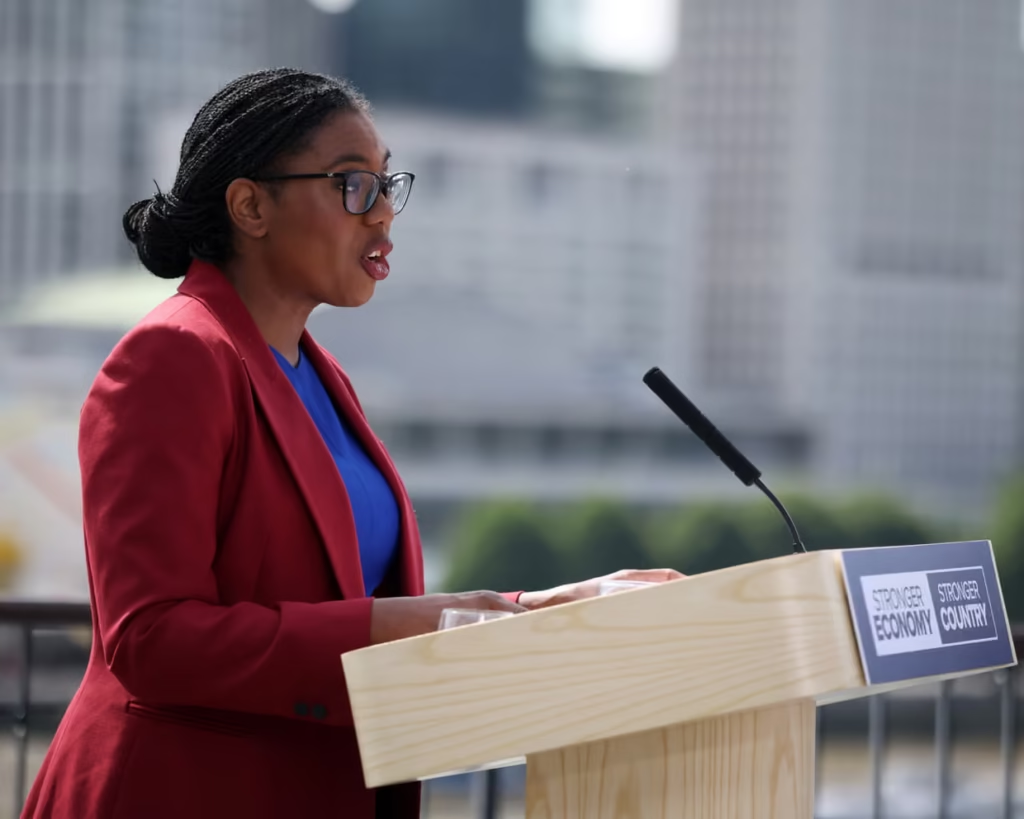
The Conservatives, led by Kemi Badenoch, remained in third place with 22% support, unchanged from the previous survey. The Liberal Democrats recorded 12%, gaining one point, while the Green Party dropped three points to eight percent. The SNP, which contests seats only in Scotland, stood at two percent nationally.
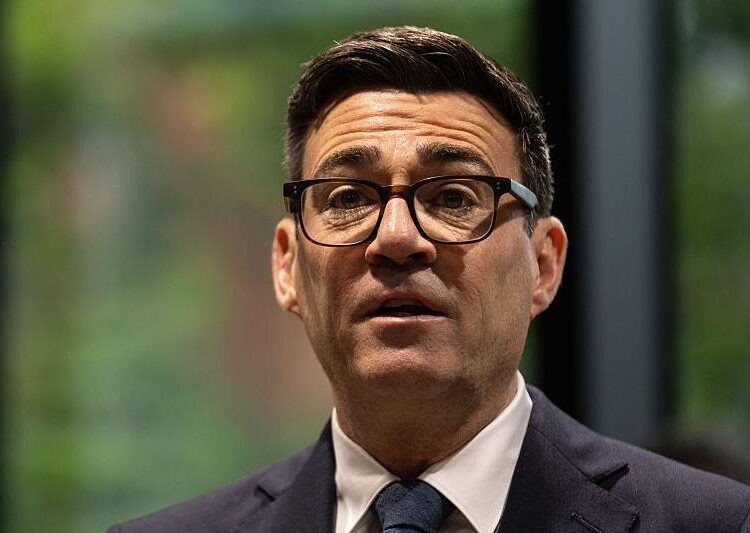
The More in Common survey, conducted between July 24 and 27 among 2,061 respondents, comes after Burnham’s first week as Prime Minister, during which his government launched several policies focused on reducing the impact of rising living costs.
The measures included maintaining a £2 bus fare cap across England, removing VAT from electricity bills and introducing a 20 percent reduction in business rates for pubs, clubs and small music venues.
Analysts suggested the early policy announcements may have helped Labour reconnect with voters who had previously moved towards Reform UK and other opposition parties.
Luke Tryl, UK director at More in Common, noted that the shift in public opinion reflected early signs of political momentum for Burnham’s administration.
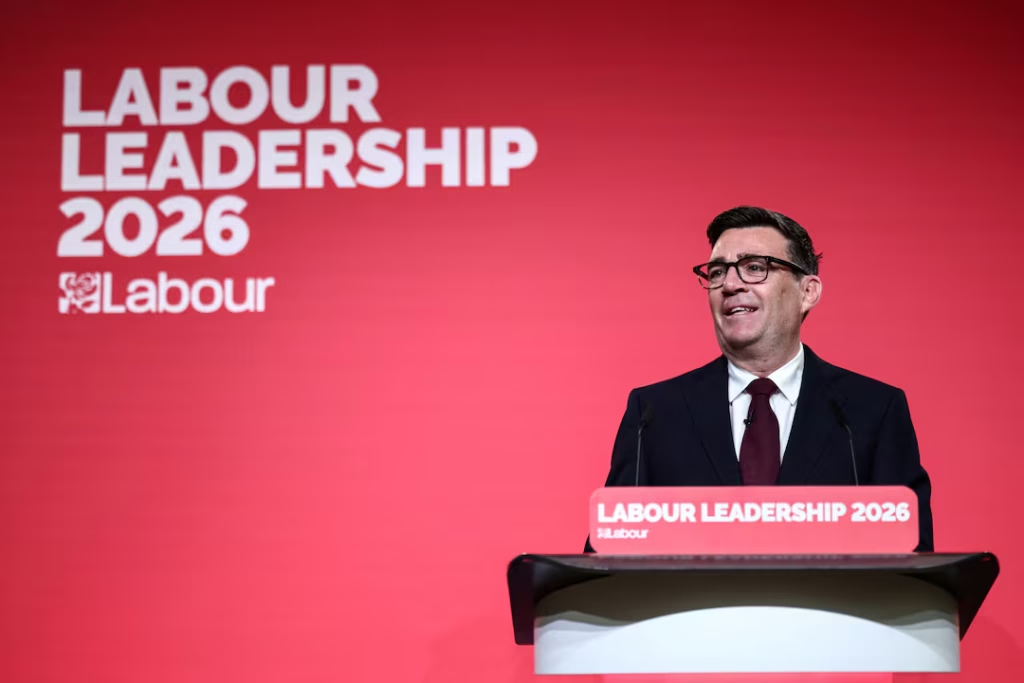
“It’s only been a week since he entered office, but it’s clear that momentum is on the Prime Minister’s side. After a jam-packed week of high-profile policy announcements and media appearances, the Labour Party has surged in our weekly poll.”
Luke Tryl
He added that while one poll could not determine long-term political trends, Labour’s improved position represented a notable change from recent months.
Tryl further noted that Labour’s focus on household finances appeared to appeal to voters who had previously shifted away from the party.
“With both Reform and the Green Party dropping to their lowest vote share in months, it seems that this early focus on the cost of living has appealed to voters that Labour has lost across left and right.”
Luke Tryl
However, he warned that sustaining the advantage would depend on how Burnham performs as he moves beyond his first weeks in office and faces the practical challenges of governing.
Reform Faces Pressure as Labour Builds Early Advantage
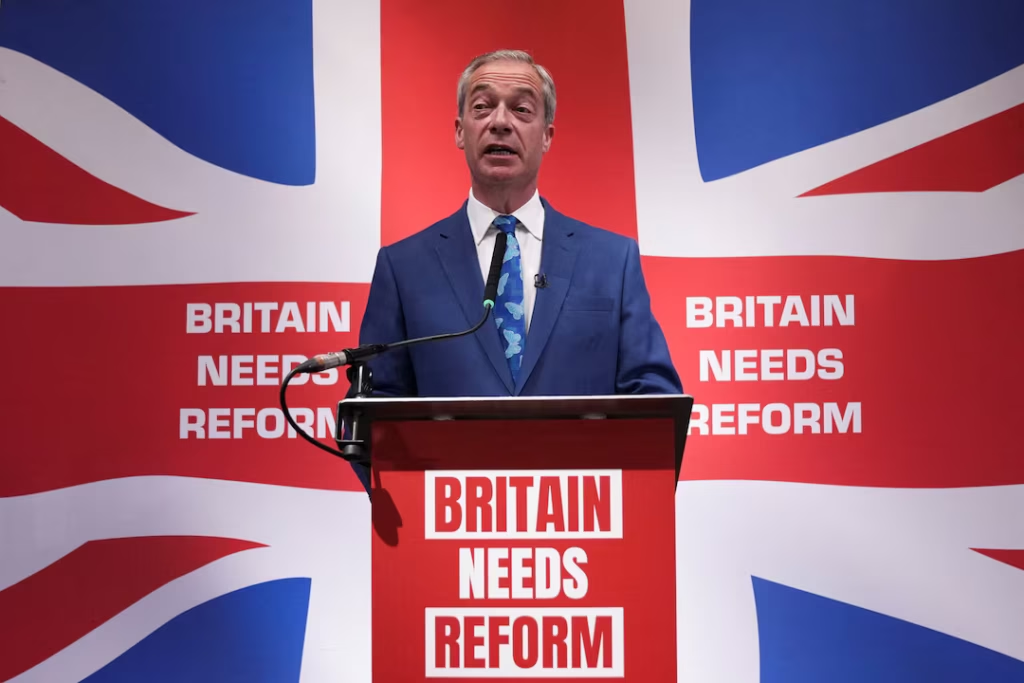
The rise in support for the Andy Burnham’s Labour Party comes during a difficult period for Reform UK, which has faced increased scrutiny over internal issues and the political decisions of its leader Nigel Farage.
Reform UK’s support fell by two points in the More in Common poll, with analysts pointing to recent controversies surrounding the party’s finances and leadership decisions as possible factors affecting voter confidence.
A Parliamentary Standards investigation was launched into Farage over his failure to declare a £5 million gift from cryptocurrency businessman Christopher Harborne before the last general election.
The investigation was later paused after Farage announced that he would resign as MP for Clacton and contest the resulting by-election, which he described as a battle between ordinary voters and the political establishment.
However, the decision has attracted criticism after major political parties announced they would not contest the election, leaving Farage facing competition from smaller candidates, including novelty candidate Count Binface.
Meanwhile, the latest More in Common figures contrast with another recent poll by YouGov, which showed Reform UK maintaining a narrow advantage over Labour.
That survey placed Reform on 23%, ahead of Labour on 21%. The Conservatives were on 20%, followed by the Liberal Democrats on 14% and the Greens on 13%.
The differing results highlight the continued volatility of British public opinion as voters assess the performance of Burnham’s government and the direction of the country.

In addition, a seat projection based on the More in Common figures suggested that if the results were repeated at a general election, Labour would become the largest party but could fall around 25 seats short of an overall majority in the House of Commons.
Such a result would leave Burnham facing the challenge of governing without a clear parliamentary majority and potentially relying on agreements with other parties.
Despite the uncertainty, the latest poll provides Labour with a positive early indication after months of electoral difficulties. Burnham’s first days in office have focused heavily on economic concerns, particularly issues affecting working families and small businesses.
For Reform UK, the challenge will be reversing recent setbacks and maintaining the momentum that previously allowed the party to challenge both Labour and the Conservatives.
As the new Labour administration settles into power, the coming months will determine whether Burnham’s early polling advantage represents a temporary boost or the beginning of a broader political recovery for the party.
Andy Burnham’s Labour Party now faces the task of converting early public support into sustained trust as voters judge whether the new government can deliver on its promises.
READ ALSO: Azamati and Saminu’s Sprint Times Signal Ghana’s Medal Ambitions at 2026 Commonwealth Game