The maiden edition of the Ghana Fugu Festival bursts into life this morning at Legon City Mall near the University of Ghana, transforming the venue into a vibrant sea of colour, rhythm, and pride as hundreds of Ghanaians turn out in their finest traditional smocks to celebrate Northern heritage and national identity.
The event, themed “History meets style. Culture meets vibes”, features cultural displays from Dagomba, Mamprusi, and Gonja kingdoms, a fashion runway showcasing modern twists on the fugu, poetry recitals, traditional dances, games, networking sessions, and a cooking competition centred on dawadawa jollof.
Vendors display hand-woven smocks from Daboya, Bolgatanga, and other northern looms, while music and entertainment keep the energy high throughout the day. Organisers describe the gathering as “bold, rich, and unapologetically Northern.” One promotional message captures the spirit, “From heritage to high fashion, from rhythm to runway… this is more than a festival, it’s a MOVEMENT.” Attendees are urged to “Come dressed. Come ready. Come proud.”
The festival builds directly on the momentum of Fugu Day, officially observed every Wednesday following a surge in national pride earlier this year.
The Cultural Push
The movement gained traction after President John Dramani Mahama wore the fugu during a state visit to Zambia in February 2026. Online commentators in Zambia mocked the garment, describing it as a “blouse” or suggesting it belongs to his wife, sparking backlash and a wave of solidarity among Ghanaians.
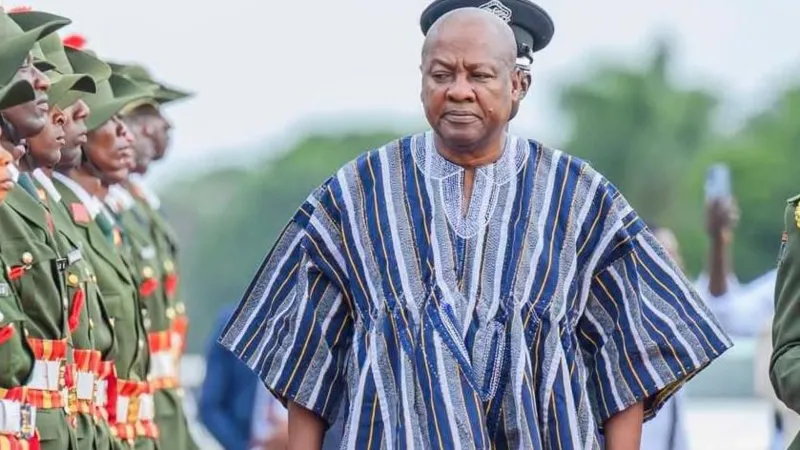
President Mahama responded by highlighting the garment’s cultural significance. He stated that the fugu “could emerge as a global fashion sensation” and emphasised its deep roots, noting that he and others are intentionally promoting local industry. In one address, he urged, “Do not make mockery of other people’s design because you don’t understand it. You don’t have to understand what we wear because it is not meant for everyone to immediately grasp.”
The response extended beyond online discourse. The government, through the Ministry of Tourism, declared Wednesdays as Fugu Day to rebuild confidence in Ghanaian identity. Tourism officials and advocates linked the initiative to broader “Wear Ghana” efforts.
Media entrepreneur George Wiredu also called for expanded cultural celebrations, stating, “The Fugu Festival is not just about food; it’s about culture, community, and opportunity. The creative industry and government agencies must act quickly to make this a reality.”
The fugu, also known as batakari or smock, is a hand-stitched garment made from narrow strips of thick cotton fabric. Traditionally worn by chiefs and warriors in northern Ghana, it gains national prominence when Kwame Nkrumah and his associates wear it on March 6, 1957, at the Old Polo Grounds during Ghana’s independence declaration.
Historians note that Nkrumah deliberately chose the smock to elevate an attire once associated with everyday northern life and to project African pride on the world stage. As one account recalls, “The picture of Dr Nkrumah and his five comrades standing on a podium in splendid northern Ghanaian smocks… remains one of the most famous pictures in Africa’s political history.”
Looking Ahead
For many first-time wearers, the day carries deep personal meaning, serving as a cultural reconnection point and a symbol of identity.
Organisers express confidence that today’s success will pave the way for future editions, with plans to grow the festival into a major annual event that supports northern weavers and boosts cultural tourism.
In a year where Ghana continues to lean into its heritage, the Ghana Fugu Festival stands as a living reminder that what begins as online mockery can evolve into a powerful affirmation of identity one that is bold, vibrant, and ready to be worn with pride.
READ ALSO: GSE Surges 136 Points in Trading