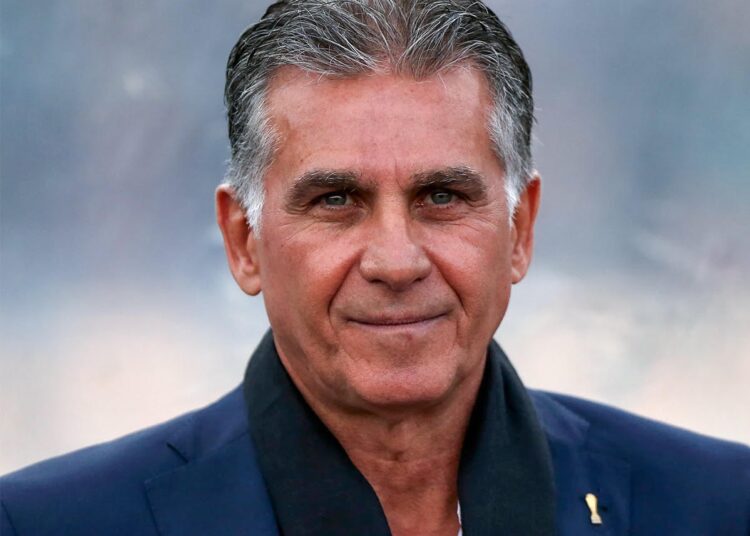
Newly appointed Black Stars head coach Carlos Queiroz is expected to arrive in Ghana this week alongside five members of his backroom staff, marking the beginning of a crucial phase in the country’s preparations for the 2026 FIFA World Cup.
The Portuguese tactician’s imminent arrival comes just a week after the Ghana Football Association confirmed his appointment as head coach, a move widely seen as a shift toward experience and tactical discipline following the departure of Otto Addo.
Queiroz is not walking into a blank slate. He inherits a team that has struggled for consistency in recent outings, but one that still possesses enough individual quality to compete at the highest level.
His immediate task will be to impose structure, define roles, and build a coherent system ahead of the global tournament.
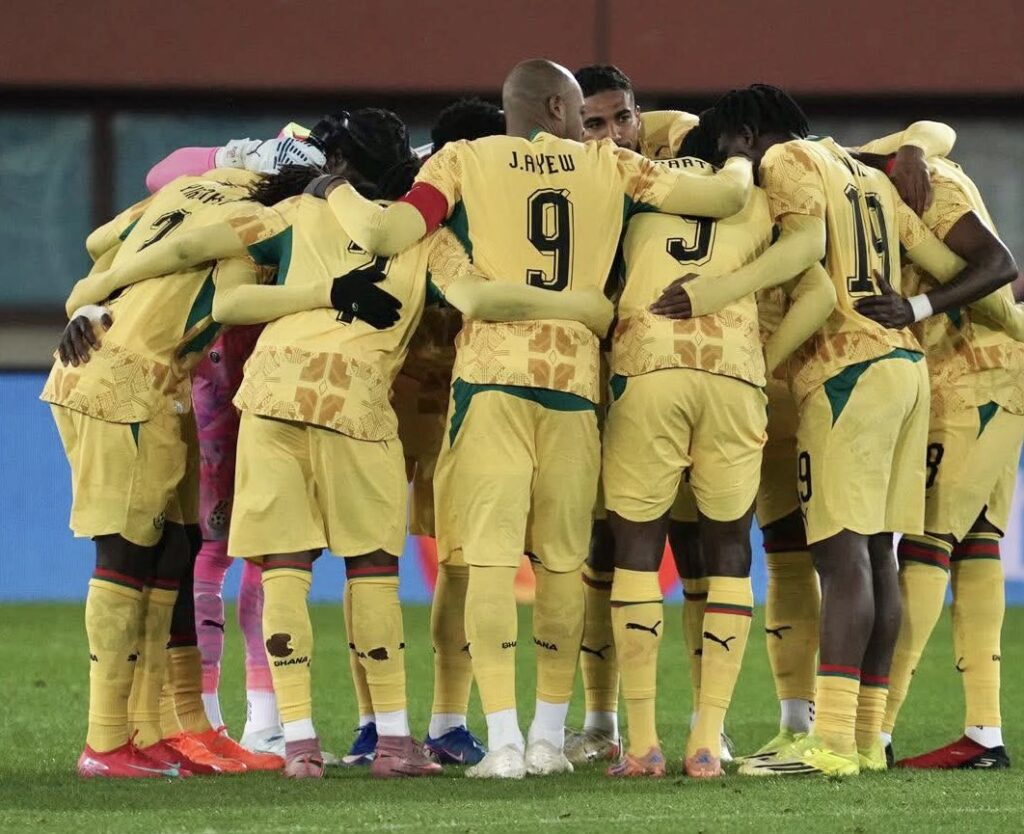
The arrival of his five-man technical team signals a significant overhaul behind the scenes. While the identities of the incoming staff are yet to be disclosed, their inclusion is expected to reshape the current technical setup.
Some members of the existing backroom staff are likely to step aside to accommodate the new structure, continuing a transition that has already begun with the dismissal of second assistant John Paintsil.
The GFA is clearly betting that a clean break, rather than gradual evolution, offers a better path forward.
Queiroz’s track record suggests he will demand that level of control. With four FIFA World Cup appearances under his belt, spanning 2010, 2014, 2018, and 2022, he brings rare tournament experience.
Across those competitions, his teams have played 16 matches, recording four wins, four draws, and eight defeats, scoring and conceding 19 goals apiece.
Those numbers matter, but not in the way many assume. They don’t scream dominance; they point to pragmatism. His teams are typically organized, defensively disciplined, and difficult to break down.
For a Ghana side that has often looked open and reactive, that could be a necessary correction.
Transition and Expectations Ahead of World Cup
Following his arrival and official unveiling, Queiroz is expected to be formally introduced to Ghana’s Minister for Sports and Recreation, Hon. Kofi Adams, in line with established protocol.
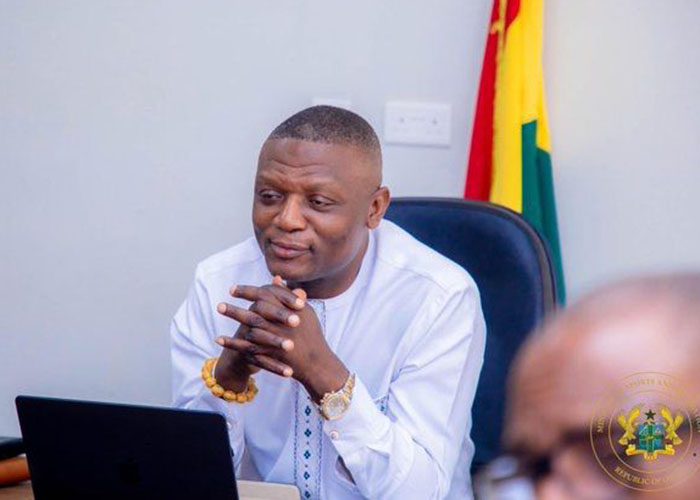
While ceremonial on the surface, that meeting reflects the broader alignment required between football authorities and government as Ghana builds toward the World Cup.
Ghana faces a demanding group at the World Cup, opening against Panama before taking on heavyweights England and Croatia.
That fixture list leaves little margin for error and even less time for experimentation.
The 73-year-old’s experience with teams like Portugal and Iran showed an ability to organize squads quickly and make them competitive against technically superior opponents.
Ghana will need exactly that. Ghana’s recent struggles have not been purely tactical. Issues around squad cohesion, mentality, and identity have lingered.
Queiroz’s challenge, therefore, goes beyond tactics. He must build belief, enforce accountability, and create a system that maximizes Ghana’s strengths while minimizing its weaknesses.
That is easier said than done, especially with limited preparation time before a major tournament. The FA’s decision to act early—bringing him in months ahead of the competition rather than weeks—suggests an understanding of that urgency.
Every training session, every tactical drill, and every selection decision from this point forward will carry weight.
READ ALSO: Over 9000 Assembly Members Receive Monthly Government Allowances