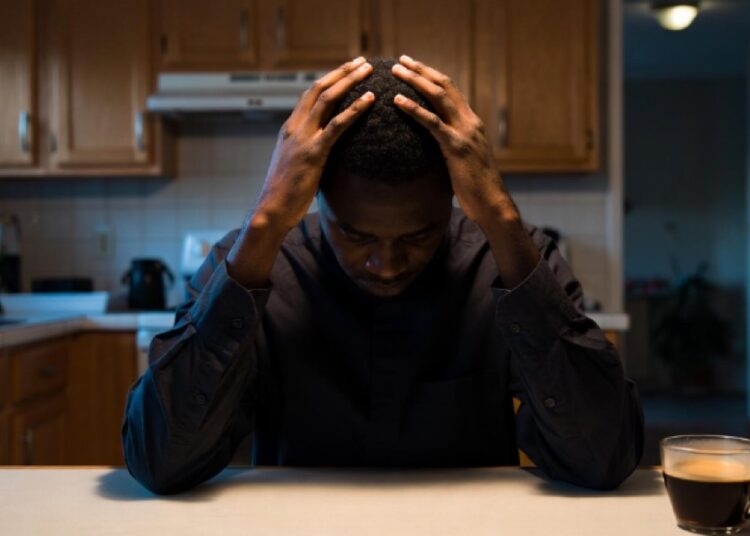
Behind the cultural expectation of the unyielding, stoic African patriarch lies a quiet but devastating public health emergency. Recent data from the World Health Organization shows that nearly 150 million people across the continent are living with mental health conditions.
Yet African men bear the most fatal brunt, consistently accounting for roughly 75-80% of suicide deaths in many countries. Trapped by rigid traditional masculinity and harsh economic pressures, millions choose “lethal silence” over seeking help.
This reality surfaced powerfully during a recent discussion, where Ghanaian men engaged in a raw, often heated conversation about emotional expression, brotherhood, and the heavy cost of stoicism. The panel explored why men sit together to share feelings because they understand one another and why such openness remains difficult even in trusted circles.
Participants drew parallels with Alcoholics Anonymous meetings, where people in similar situations openly share struggles without fear. One speaker emphasized that men need like-minded spaces to feel comfortable expressing themselves.
However, even among close friends, vulnerability is rare. A panelist recounted losing a friend: while female friends cried openly together, the men closest to the deceased remained composed. Only later, in the safety of their bathrooms or homes, did they break down in private tears, away from judgment.
A major theme was the clash between “form and function” in gender roles. One contributor argued that a woman’s biological and emotional form aligns naturally with her societal functions, allowing her to be emotive throughout life. Society makes excuses for women’s emotions, whether as children, teenagers, wives, or even tough professionals.
The example of a hard-driving female executive like “Madam Rash” was cited: despite her achievements, she is still seen as a woman if emotional. For men, however, function overrides form. Society demands they be strong, brave, provide, protect, and work hard.
Being highly emotive or seeking constant comfort undermines their ability to fulfill these roles. “I cannot be your partner, provide, and protect if I invest heavily in crying at every problem,” one man stated.

This pressure starts early with messages like “boys don’t cry” and “man up.” The result, panelists agreed, is deep repression that contributes to despair. One participant shared a heartfelt message from a recent support group of about 30 young men.
It read: “Marriages, businesses, and relationships are stressing boys and squeezing the life out of them, yet many sit silently because it is considered weak to be tired, broken, sad, or afraid.” The message noted that men account for around 79% of suicides roughly 100 men daily in referenced statistics and urged brothers to drop “macho BS,” talk, cry, and support one another. “We are all we’ve got,” it concluded. “Get it out, because when it stays within, it becomes poison to a man’s soul.”
Diverse Opinions
Not everyone fully agreed. Some defended traditional male ways of coping, arguing that men are “designed” differently. Instead of verbal outpouring, many process pain through action, sitting with friends over drinks, laughing about problems, or solving issues practically.
They maintained that there is no limitation on how men express emotions, whether through tears or anger. Others countered that while men have a right to silence and their preferred methods, extreme repression is costing lives.
The discussion also highlighted risks. Sharing vulnerabilities can backfire when the same information is later weaponized in arguments, causing men to shut down permanently. This makes safe environments essential. Despite disagreements, the panel stressed individual responsibility.
Every man must choose supportive brothers, rise above societal conditioning, and decide when to speak. Mental health ultimately rests with the individual, even as cultural change is needed.
Some panelists felt the conversation spent too much time on what men do wrong rather than solutions. One expressed discomfort with certain questions directed at men. Still, the consensus was clear: African men need non-judgmental brotherhood.
They need spaces to air pain before hopelessness sets in. While women have strong advocacy, men are largely self-advocates.

The discussion exchange offered a rare, unfiltered look at the internal battles many African men fight daily. Traditional stoicism has value, but when it leads to lethal silence, the human cost becomes too high.
Redefining strength to include the courage to speak, seek help, and support fellow men may be the path forward if the continent is to stem this preventable tragedy.
READ ALSO: Ghana and Côte d’Ivoire Align Cocoa Market Strategy at 7th Ordinary Meeting