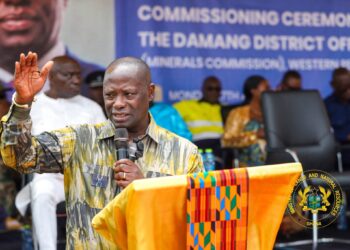
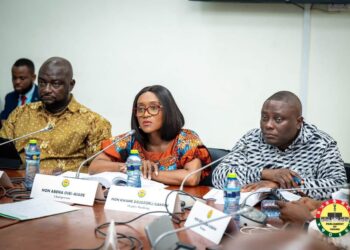
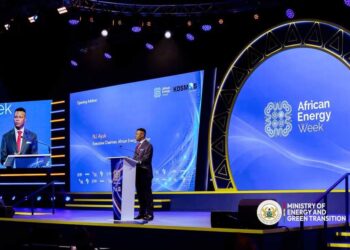
Minerals Commission has affirmed its commitment to maintaining rigorous oversight over the Damang Mine as the operation officially transitions to new local management, signaling a pivotal shift toward enhanced domestic participation and institutional accountability in Ghana’s extractive sector.
This milestone serves as a definitive demonstration of a regulatory system functioning with integrity, purpose, and transparency, proving that Ghana possesses the institutional capacity to manage its mineral resources through a structured, legally grounded process that commands both national and international confidence.
“The Minerals Commission’s approach remains firm to support where there is compliance and to act decisively where there are breaches, reinforcing the principle that accountability underpins sustainable resource management.”
Minerals Commission
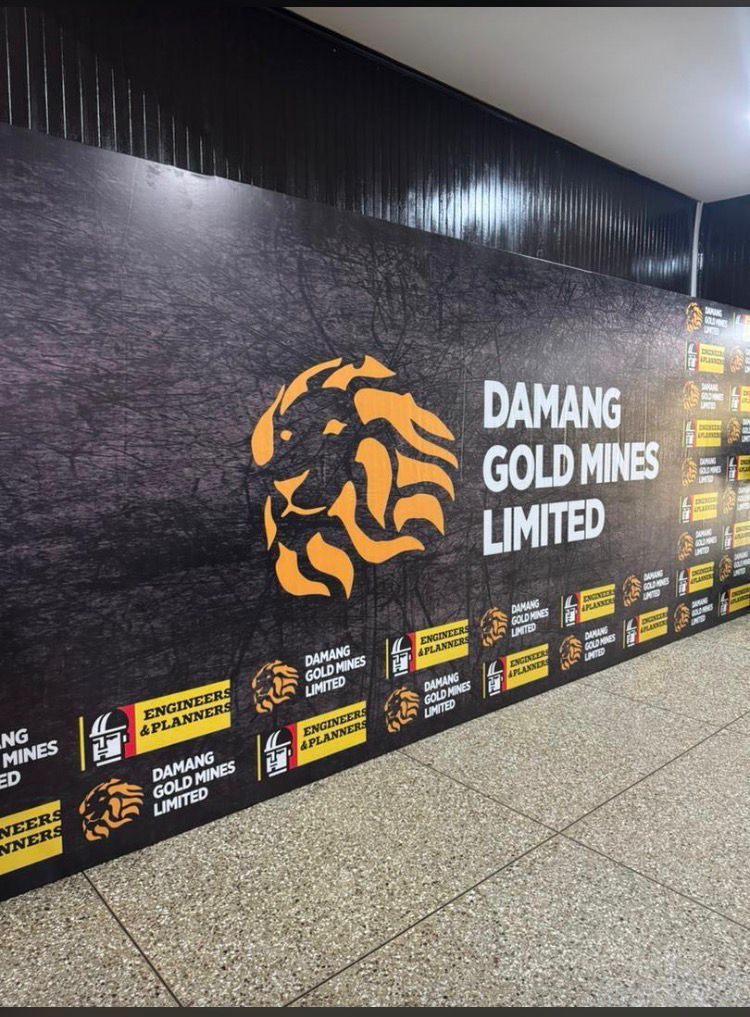
This handover, which sees the indigenous firm Engineers & Planners assuming control of the concession following the expiration of previous leases, represents a strategic move to deepen local ownership of key economic assets.
By managing this transition through a competitive tender process, the Commission has reinforced its role as an impartial arbiter, applying consistent scrutiny to all stakeholders to ensure that mining activities deliver long-term value to the nation.
Beyond the transfer of operations, the move is being hailed by industry observers as a crucial test case for indigenous capability, with the government emphasizing that the asset remains under the sovereign ownership of the Republic of Ghana, subject to the continuous regulatory framework of the state.
Strengthening Compliance Through Proactive Regulation
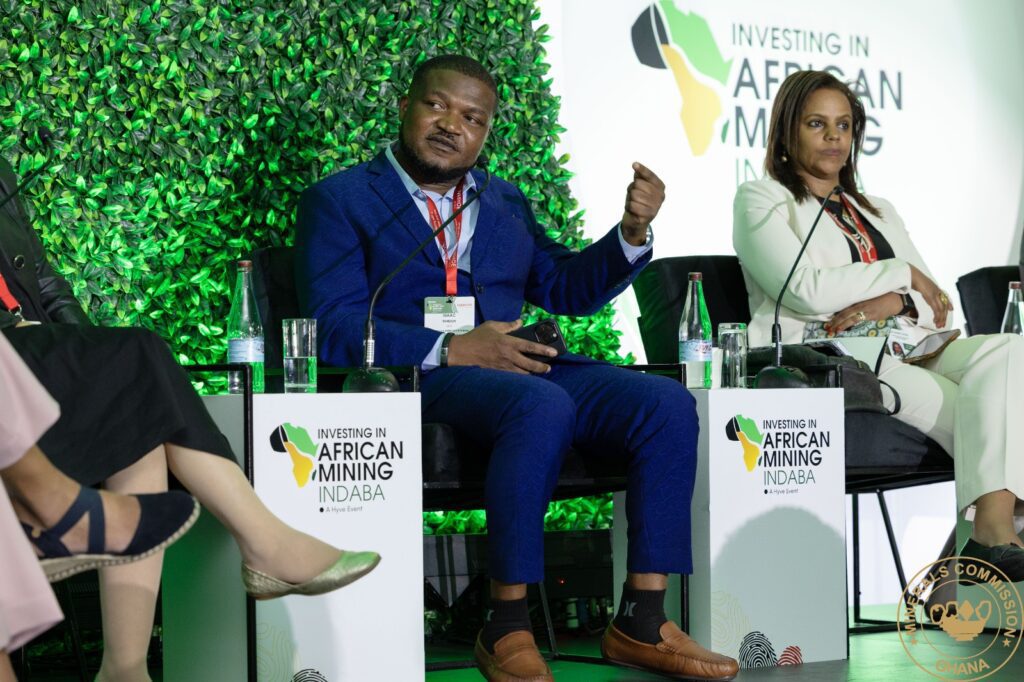
The pledge by the Minerals Commission to uphold strict oversight is not merely a statement of intent but a foundational requirement for sector-wide compliance.
By adopting a proactive stance, the Commission ensures that the transition of the Damang Mine is not viewed as a relaxation of standards, but rather as an opportunity to enforce adherence to the Minerals and Mining Act, 2006 (Act 703).
According to regulatory experts, this level of oversight is essential to discourage “selective compliance,” instead fostering an environment where environmental stewardship, occupational health and safety standards, and fiscal obligations such as royalty payments are non-negotiable.
The Commission’s ongoing monitoring mechanism acts as a critical filter, forcing operators to demonstrate their technical and financial readiness at every stage of their license tenure.
By integrating data-driven oversight with the work of its Inspectorate Division, the Commission ensures that commitments made during the bidding process, such as infrastructure development and community investment, are translated into tangible outcomes.
This “enforcement-first” model directly contributes to the country’s mining sector compliance by creating a predictable regulatory climate where the cost of non-compliance far outweighs the benefits of shortcutting procedures.
Fostering Collaborative National Development
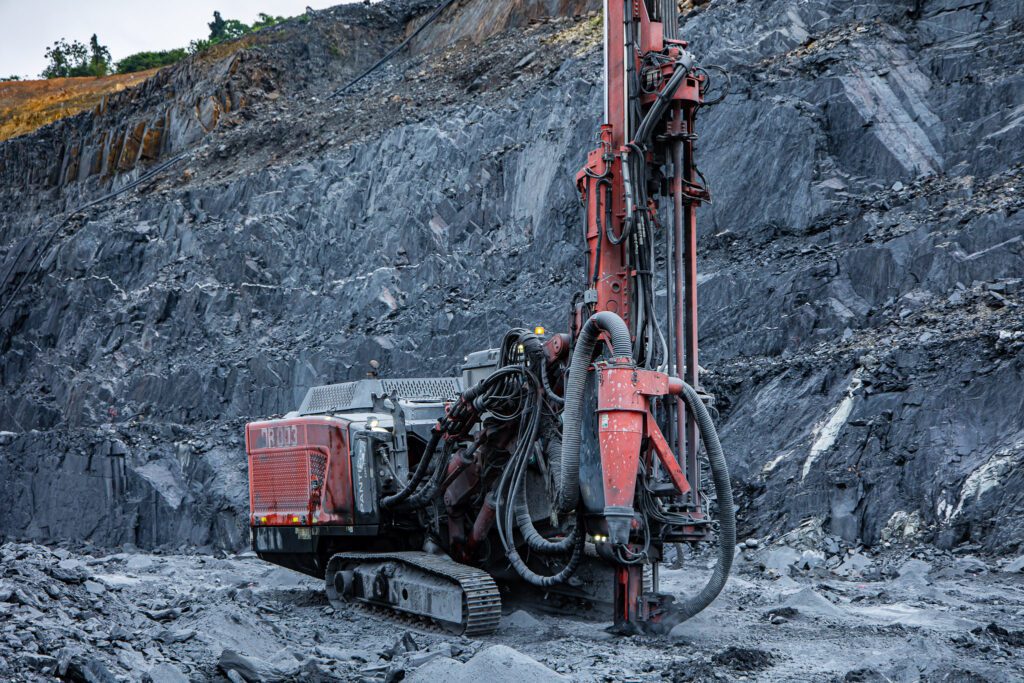
The success of this transition highlights the importance of synergy between government policy, regulatory institutions, and private industry players in achieving broader national development objectives.
The Minerals Commission has reiterated that its regulatory duty extends beyond the mere extraction of gold to the protection of the interests of the Ghanaian people.
This includes safeguarding the welfare of workers, mitigating environmental impacts on surrounding communities, and ensuring that mining operations act as catalysts for sustainable development rather than drivers of ecological or social depletion.
By actively engaging in a process that prioritizes transparency, the Commission has created a blueprint for how future mineral rights transfers should be handled.
This collaborative approach ensures that the local operator is not just a commercial entity but a partner in the national project of resource management.
As the Commission continues to monitor investment commitments, it reinforces the principle that private gain in the mining sector must be tethered to public welfare, setting a high bar for excellence that all future mining projects in Ghana will be measured against.
A New Era of Indigenous Stewardship
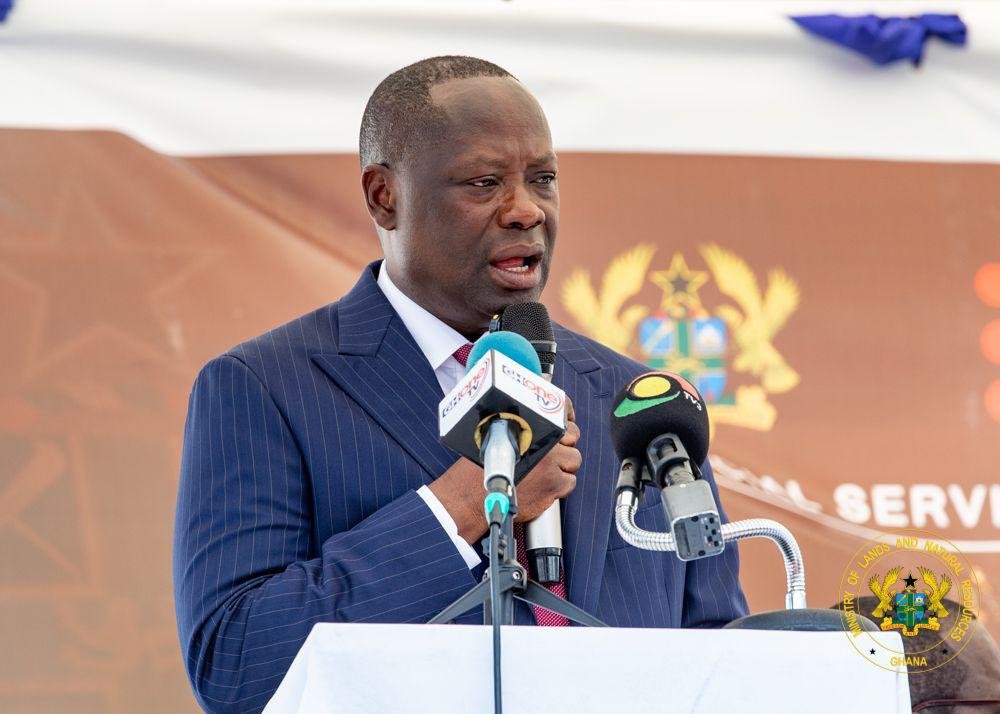
As the Damang Mine enters this new phase, the focus shifts toward the ability of local operators to showcase indigenous expertise while navigating complex global mining standards.
The Commission has maintained that its “unwavering mandate” remains the protection of the country’s long-term interests, ensuring that the shift toward local operatorship does not compromise the environmental or safety benchmarks that define global best practices.
This vigilance is crucial in preventing the erosion of standards that sometimes accompanies management changes in high-stakes industries.
Looking ahead, the role of the regulator will be to provide the necessary support for compliant operators while maintaining the agility to intervene when standards fluctuate. This balance—between being a facilitator of local content and a strict enforcer of the law is what will define the success of this handover.
Ultimately, the Commission’s dedication to this dual responsibility aims to build a sustainable mining sector that serves as a pillar of Ghana’s economic growth, proving that with institutional integrity, indigenous firms can lead the way in transforming the country’s natural wealth into lasting, inclusive prosperity.