Ghana’s economy opened 2026 on a mixed but cautiously optimistic note, according to the latest Monetary Policy Report released by the Bank of Ghana.
While consumer spending and manufacturing activities showed notable strength, the construction sector experienced a downturn, highlighting uneven momentum across key sectors of the economy.
Consumer spending, a critical driver of economic growth, recorded a strong year-on-year performance in January 2026. This was largely reflected in domestic VAT collections and retail sales, both of which posted significant increases compared to the same period in 2025. Domestic VAT collections rose by 7.1 percent to GH¢1.799 billion, up from GH¢1.680 billion recorded a year earlier. This growth suggests improved consumption patterns and steady demand within the economy.
Retail sales also demonstrated robust expansion, rising by 16.6 percent year-on-year to GH¢277.88 million in January 2026. Compared to GH¢238.38 million recorded in January 2025, the increase points to growing consumer confidence and purchasing power, despite broader economic uncertainties.
Month-on-Month Declines Raise Concerns
Despite the encouraging annual growth figures, month-on-month data revealed a more subdued picture. Domestic VAT collections declined by 13.1 percent from GH¢2.069 billion in December 2025 to GH¢1.799 billion in January 2026. Similarly, retail sales experienced a sharp contraction of 41.1 percent over the same period.
These declines suggest that while the economy is improving compared to last year, short-term fluctuations persist. Seasonal factors, post-holiday spending adjustments, and tighter liquidity conditions may have contributed to the slowdown in January when compared to December figures.
Manufacturing Sector Shows Positive Momentum
Beyond consumer activity, the manufacturing sub-sector also recorded encouraging performance in January 2026. Indicators such as direct tax collections and private sector contributions to pensions reflected increased industrial activity.
Total direct taxes collected rose by 9.0 percent year-on-year to GH¢5.802 billion, compared to GH¢5.322 billion in January 2025. This growth highlights improved business performance and stronger corporate earnings within the manufacturing sector.
A breakdown of tax contributions shows that corporate tax accounted for 40.7 percent of total collections, while income tax, including PAYE and self-employed contributions, made up 40.3 percent. Other tax sources contributed the remaining 18.9 percent. This distribution underscores the balanced contribution of businesses and individuals to government revenue mobilization.
Additionally, private sector workers’ contributions to the Social Security and National Insurance Trust increased significantly. Contributions rose by 16.8 percent year-on-year to GH¢551.97 million, up from GH¢472.62 million in January 2025. This trend suggests stable employment levels and improved earnings among workers in the formal sector.
However, similar to consumer indicators, direct tax collections declined sharply on a month-on-month basis. Revenue fell by 64.4 percent from GH¢16.305 billion in December 2025 to GH¢5.802 billion in January 2026. This drop reflects the typical end-of-year surge in tax payments, followed by a slower start in the new year.
Construction Sector Faces Downturn
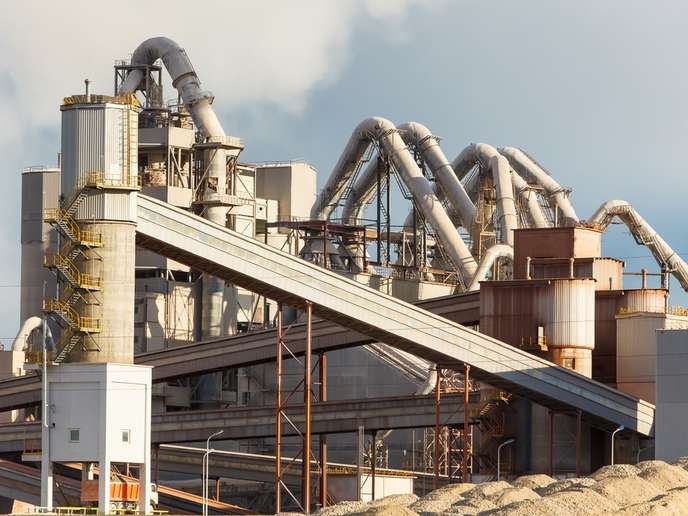
In contrast to the gains recorded in consumer spending and manufacturing, the construction sector faced notable challenges at the start of the year. Activity in the sector, measured through cement sales, declined by 7.7 percent year-on-year.
Total cement sales fell to 206,798.89 tonnes in January 2026, compared to 223,936.19 tonnes recorded in January 2025. This decline signals reduced construction activity, which may be linked to rising input costs, financing constraints, or delays in infrastructure projects.
On a month-on-month basis, however, cement sales remained relatively stable. Sales in January were largely unchanged compared to the 207,929.45 tonnes recorded in December 2025. While this suggests some level of stability, the annual decline remains a concern for the sector’s growth outlook.
The slowdown in construction is particularly significant given its strong linkages to other sectors, including manufacturing, real estate, and employment. A sustained decline could have broader implications for economic growth if not addressed.
Uneven Recovery Highlights Policy Challenges
The mixed performance across sectors presents both opportunities and challenges for policymakers. The strong growth in consumer spending and manufacturing indicates that parts of the economy are gaining momentum. However, the contraction in construction highlights structural weaknesses that may require targeted interventions.
For the Bank of Ghana, these developments underscore the importance of maintaining a balanced monetary policy approach. Supporting economic growth while ensuring price stability remains critical, especially in an environment where sectoral performance is uneven.
Fiscal authorities may also need to consider measures to stimulate the construction sector, including infrastructure investment and improved access to financing. Strengthening this sector could help drive broader economic expansion and support job creation.
Outlook for the Months Ahead
The trajectory of Ghana’s economy will depend on how these sectoral dynamics evolve. If consumer spending remains strong and manufacturing continues to expand, overall economic growth could remain resilient. However, a prolonged slowdown in construction could dampen these gains.
The January 2026 data provides an early indication of the year’s economic direction. While there are clear signs of recovery and resilience, the uneven performance across sectors suggests that careful policy coordination will be essential to sustain growth and stability.
As the year progresses, close monitoring of these trends will be necessary to ensure that Ghana’s economic recovery remains on track and inclusive across all sectors.