Ghana’s currency is facing a difficult test in 2026, with the Cedi losing significant ground against the US Dollar, British Pound and Euro after delivering an impressive performance against major international currencies in the previous year.
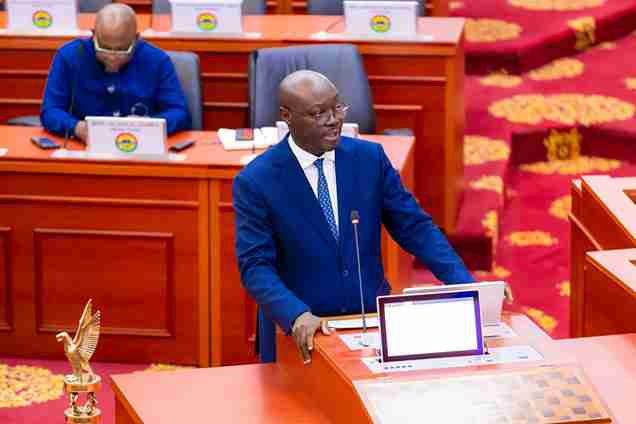
The latest figures presented by Finance Minister Dr Cassiel Ato Forson in the 2027 Budget Statement reveal a sharp reversal in the Cedi’s fortunes, raising fresh questions about the sustainability of exchange rate stability and the external pressures confronting the economy.
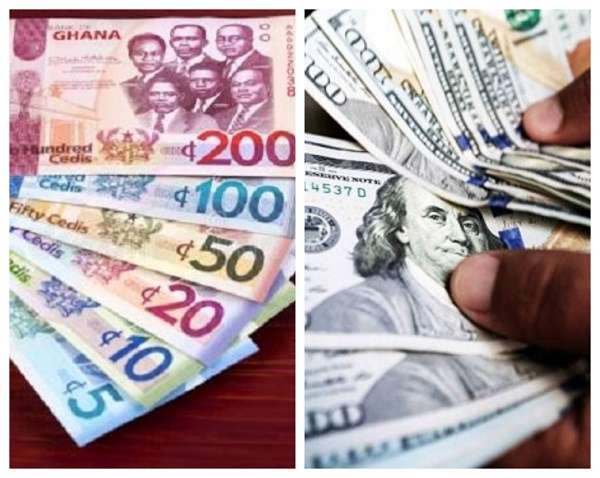
As at the end of October 2026, the Cedi had depreciated by 10.1 percent against the US Dollar, a striking contrast to the 35.5 percent appreciation recorded during the corresponding period in 2025.
The currency also lost 9.6 percent against the British Pound, reversing the 28.1 percent appreciation achieved over the same period last year. Against the Euro, the Cedi recorded a depreciation of 5.2 percent, compared with an appreciation of 20.3 percent in 2025.
The figures expose the scale of the reversal in Ghana’s foreign exchange market, particularly after the strong recovery that helped restore confidence in the local currency throughout 2025.
Cedi’s Remarkable 2025 Performance Faces a Reality Check
The Cedi’s performance in 2025 represented a significant improvement in Ghana’s currency market, supported by stronger foreign exchange inflows, improved macroeconomic conditions and policy interventions.
Its appreciation against the Dollar, Pound and Euro provided some relief to businesses, importers and households that had endured years of exchange rate volatility and rising import costs.
However, the latest depreciation figures suggest that maintaining those gains has become increasingly difficult.
The 10.1 percent loss against the Dollar is particularly significant because of the central role the US currency plays in Ghana’s international trade, external debt obligations and energy import payments.
A weaker Cedi increases the local currency cost of settling dollar-denominated transactions, potentially placing additional pressure on businesses that depend heavily on imported raw materials, machinery, fuel and finished products.
The effects can also extend to household spending, particularly when exchange rate movements translate into higher prices for imported goods and services.
Although the depreciation recorded in 2026 does not necessarily erase the broader gains made during the previous year, it demonstrates how quickly external pressures can reverse improvements in the foreign exchange market.
Global Energy Prices Intensify Pressure on the Cedi
Explaining the developments, Dr Ato Forson acknowledged that the Cedi had experienced relative stability against major international currencies over the past ten months, despite emerging pressures.
According to the Finance Minister, elevated global energy prices and increased foreign exchange demand to finance energy imports have contributed to the pressure on the local currency.
Ghana’s dependence on imported petroleum products and other energy-related commodities makes the foreign exchange market particularly sensitive to developments in international energy markets.
When global energy prices rise, importers require more foreign currency to finance the same volume of purchases, increasing demand for dollars.
This creates additional pressure on the Cedi, especially when foreign exchange inflows are insufficient to comfortably meet the country’s import requirements.
The situation highlights the difficult relationship between international commodity prices and domestic currency stability.
Even when Ghana records improvements in other areas of the economy, external developments can introduce fresh vulnerabilities that complicate efforts to maintain a predictable exchange rate.
Geopolitical tensions have also created uncertainty in global markets, with disruptions to energy supply and changing international trade conditions capable of influencing foreign exchange demand.
Gold, Cocoa and Crude Oil Expected to Support Cedi
Despite the depreciation recorded in 2026, the Finance Minister expressed confidence that the Cedi would remain relatively strong and broadly stable through the end of the year.
He attributed this expectation to sustained foreign exchange inflows from gold, cocoa and crude oil exports, alongside continued remittance inflows and prudent monetary policy.
These sources remain important to Ghana’s external position because they generate foreign currency that can help meet import demand and strengthen the country’s capacity to withstand exchange rate pressures.
Gold, in particular, has become an increasingly important component of Ghana’s export earnings. Stronger international gold prices and export receipts could provide additional foreign exchange to support the local currency.
Cocoa and crude oil exports are also expected to contribute to foreign currency availability, while remittances from Ghanaians living abroad provide another source of dollar inflows.
However, the effectiveness of these inflows will depend on their consistency and how much foreign exchange becomes available to support the domestic market.
The government’s expectations therefore rest partly on the ability of these export sectors to sustain their contribution to foreign exchange supply during the remaining weeks of 2026.
Fiscal Consolidation and Trade Balance Offer Hope
Beyond export earnings, Dr Ato Forson identified improvements in Ghana’s external trade balance and continued fiscal consolidation as important factors expected to moderate depreciation pressures.
An improved trade balance can strengthen the country’s external position by increasing the value of exports relative to imports, potentially reducing the pressure on foreign currency demand.
Fiscal consolidation is equally important because stronger public finances can help reduce macroeconomic vulnerabilities and reinforce confidence in the broader economy.
The Finance Minister’s outlook suggests that the government expects these developments, together with prudent monetary policy, to provide sufficient support for the Cedi despite lingering global uncertainties.
Nevertheless, the depreciation figures highlight the challenges involved in preserving currency stability in an economy exposed to international energy prices, import demand and changing global financial conditions.
As Ghana moves towards the end of 2026, attention will increasingly focus on whether export receipts, remittances and improvements in the external trade balance can provide the support needed to prevent further losses.
The Cedi’s 10.1 percent depreciation against the Dollar marks a significant departure from its performance in 2025. Whether the currency can regain momentum will depend on the strength of foreign exchange inflows and the government’s ability to sustain the economic conditions supporting stability.
READ ALSO: Michael Star Donates To Support World Fisheries Day