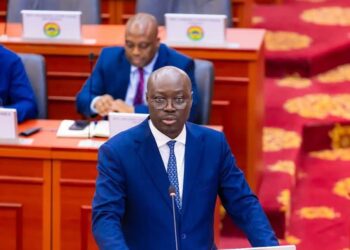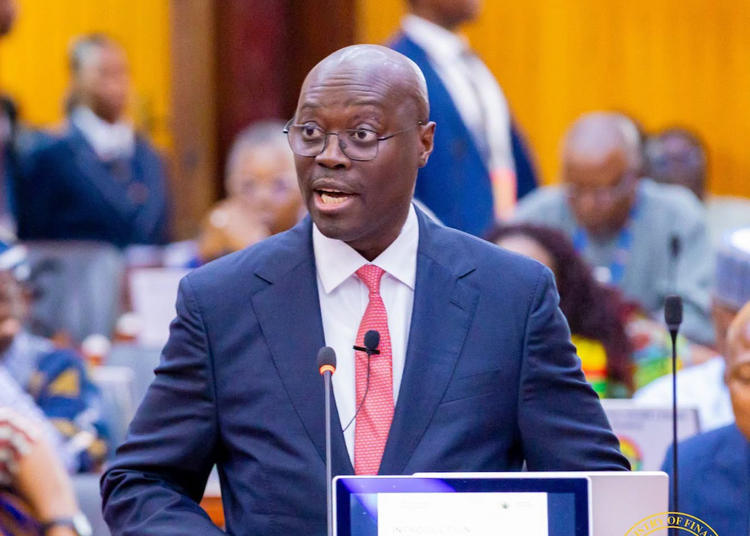
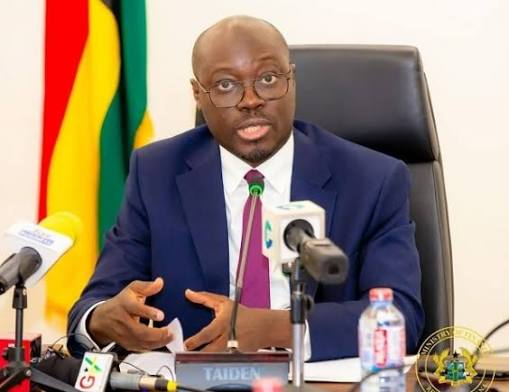
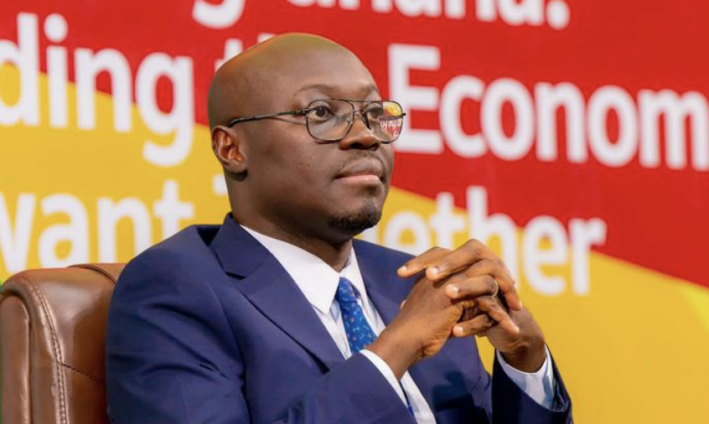
Finance Minister Dr Cassiel Ato Forson has announced a GH¢17.6 billion allocation for local governance, chieftaincy and religious affairs in the 2027 Budget Statement and Economic Policy presented to Parliament.
The spending commitments, under the budget dubbed The New Economy, are intended to strengthen local administration, finance community infrastructure, improve markets and expand waste management services. The allocations also cover rural housing, regional administration and allowances for Assembly Members, although the detailed figures provided in the minister’s breakdown require clarification against the stated overall amount.
“GH¢10.6 billion has been allocated to the Ministry of Local Government, Chieftaincy and Religious Affairs to support local administration and community services.”
Finance Minister Dr Cassiel Ato Forson
Presenting the allocations, Dr Forson identified the District Assemblies Common Fund as a major component of the government’s support for development at the local level. He indicated that GH¢10.8 billion would go to the fund to support development in districts and communities.
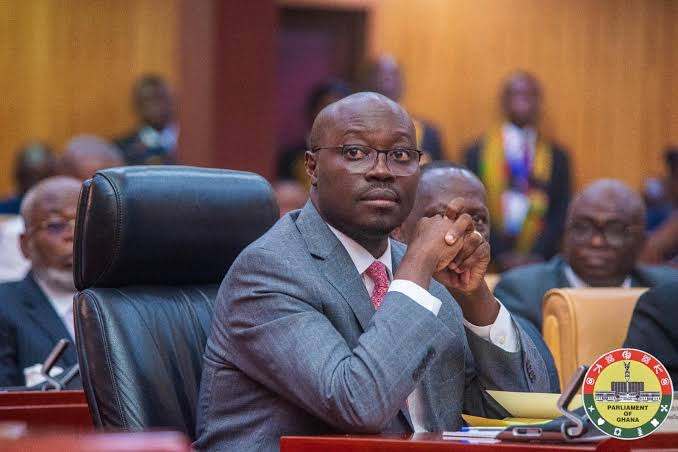
The allocation is intended to provide resources for local development priorities through district assemblies. However, the stated GH¢10.8 billion provision for the Common Fund is higher than the GH¢10.6 billion allocation cited for the ministry itself, making clarification of the figures important when assessing the overall GH¢17.6 billion headline amount.
Major market projects receive funding
The 2027 Budget also sets aside substantial resources for market infrastructure in major urban centres. Dr Forson announced GH¢685 million for the construction of a modern Greater Accra Regional Market, identified as the new Agbogbloshie Market.
A further GH¢685 million has been allocated towards the completion of the Kumasi Kejetia Market Phase Two. The government has also earmarked GH¢200 million for the completion of the Takoradi Market project.
These provisions place the development and completion of major markets among the infrastructure priorities outlined in the budget. The projects are included alongside funding for local administration and community development.
Rural housing and sanitation investments
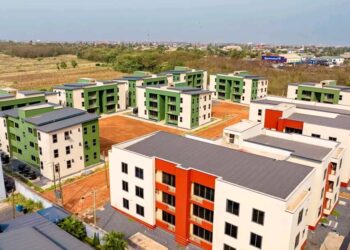
In the housing sector, the minister announced GH¢500 million for the construction of rural housing. The allocation forms part of the spending commitments for communities outside major urban centres.
Waste management and environmental sanitation also feature in the budget. Dr Forson disclosed that GH¢400 million had been allocated for integrated waste recycling and composting plants, which are expected to turn refuse into reusable products.
“Mr Speaker, GH¢400 million has been set aside for integrated waste recycling and composting plants to turn refuse into reusable products.”
Finance Minister Dr Cassiel Ato Forson
The minister did not provide an implementation timetable or identify locations for the recycling and composting plants yet.
The government has further set aside GH¢200 million for the construction of ten engineered landfill sites to improve waste management. Another GH¢100 million will support the construction of 25 waste transfer stations.
The allocations form part of efforts to strengthen waste collection, treatment and disposal systems and improve environmental sanitation across the country. They provide for facilities at different stages of the waste management process, from transfer stations to engineered disposal sites and recycling plants.
Regional administration and Assembly Member
The budget also makes provision for the renovation of Regional Coordinating Councils and their official residences. Dr Forson announced GH¢272 million for the work, explaining that the investment would support regional administration and the delivery of public services.
Regional Coordinating Councils play an administrative role in the coordination of government activities across the regions. The proposed renovation funding is intended to improve the facilities through which that work is carried out.
In addition, GH¢150 million has been allocated for the payment of allowances to Assembly Members. The provision recognises the role of Assembly Members in local governance and community representation, according to the spending priorities outlined by the minister.
Funding priorities for local governance
The allocations outlined by Dr Forson cover a broad range of local development needs, including district-level funding, market construction, rural housing, sanitation infrastructure and regional administration.
They also provide for the allowances of Assembly Members, who represent communities within the local governance system.
The finance minister presented the commitments as part of the government’s 2027 expenditure programme under The New Economy. The figures place local administration and municipal services among the areas receiving attention in the budget.
While the stated overall allocation is GH¢17.6 billion, the ministry and District Assemblies Common Fund figures alone amount to GH¢21.4 billion.
The detailed figures supplied therefore do not reconcile with the headline total and require confirmation. The remaining allocations have been reported as announced, without treating them as a reconciled breakdown of the stated total.
READ MORE: Government Allocates GH¢40.3bn to Ghana’s Healthcare Delivery in 2027