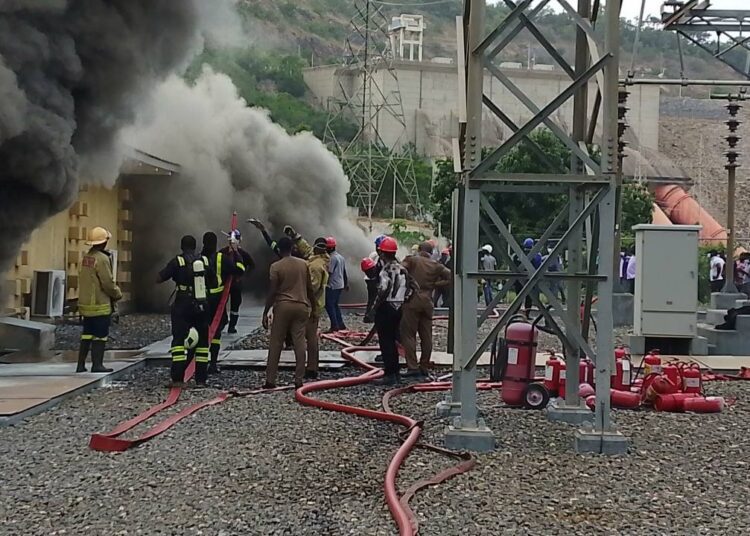
Hon. John Abdulai Jinapor, the Minister for Energy and Green Transition, has announced an aggressive, around-the-clock intervention to restore power following a severe fire outbreak that crippled the Ghana Grid Company (GRIDCo) substation.
The strategy involves a critical technical maneuver to isolate the damaged control station and reroute electricity through an alternative configuration.
By deploying engineers in relentless, rotating shifts, the Ministry aims to bring at least one unit back into operation before the close of today, serving as the catalyst for a full system recovery.
“Men are going to be working 24-7 in guns. So one gun will work for some hours, and then another gun will take over. And they hope that by close of today, they’ll be able to bring one unit on.”
Hon. John Abdulai Jinapor, the Minister for Energy and Green Transition

This emergency directive is essential to mitigating the widespread disruption caused by the explosion, which officials estimate has cut approximately 1,000 megawatts from the national supply a significant deficit for Ghana’s energy grid.
According to the Minister, the technical teams from GRIDCo and the Volta River Authority are operating under a “24-7” model to ensure that progress is continuous.
Once the first unit is successfully stabilized, it will provide the operational framework necessary to systematically bring the remaining units back online, effectively reversing the impact of the incident while ensuring that long-term safety protocols remain intact.
“From the briefing I received, what they intend to do is to isolate the control station and attempt to feed power through an alternative arrangement,” Hon. John Jinapor revealed.
The Technical Imperative for Isolation
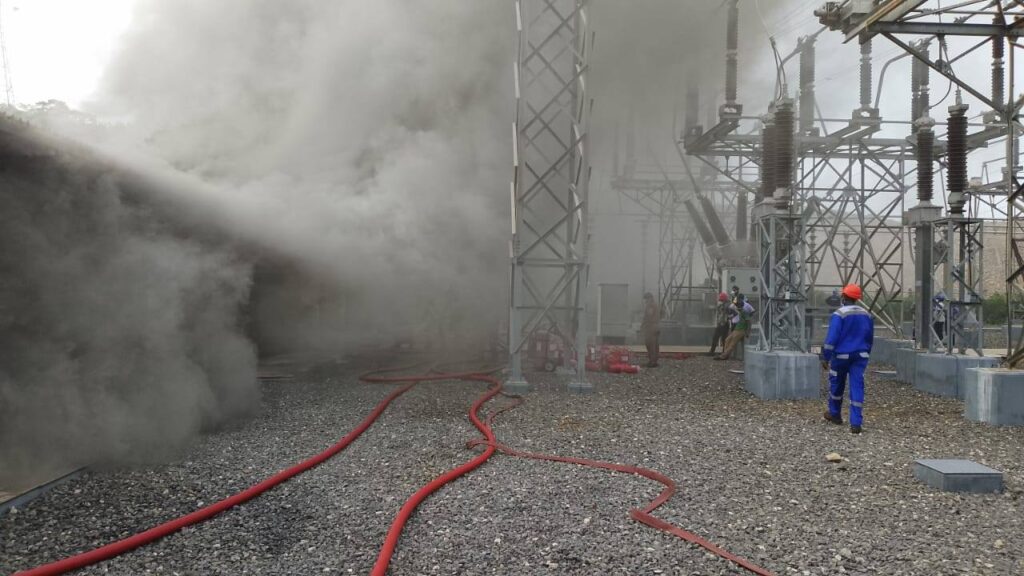
The directive to “isolate the control station” is a foundational step in electrical engineering safety and recovery.
In the aftermath of a fire, the primary risk is not merely the damaged equipment, but the potential for sustained short circuits, arc flashes, or lingering ground faults that could cause further catastrophic damage to the remaining infrastructure.
By physically disconnecting the compromised section from the healthy segments of the substation, engineers create a “safe zone.”
This procedure, often referred to as “proving dead,” involves the use of isolating devices switches or circuit breakers that are locked and tagged to prevent accidental re-energization while workers are on-site. Isolation allows the team to bypass the faulted equipment entirely, facilitating the safe restoration of current through alternative busbars or auxiliary circuits.
Sustaining Momentum Through 24/7 Operations
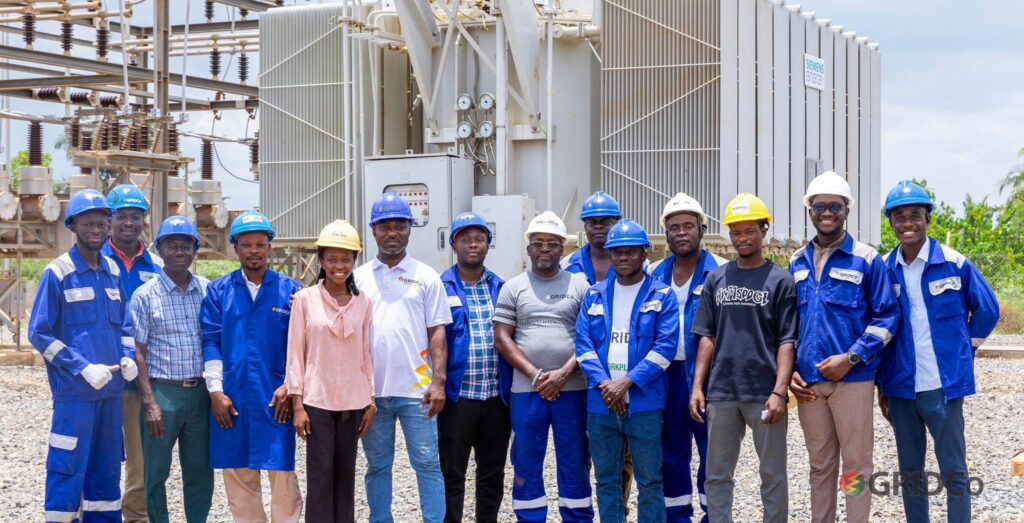
The deployment of a “24-7″ work schedule is critical hence, in a high-voltage environment like a GRIDCo facility, restoration is not a simple “plug-and-play” operation.
The process requires precise, manual reconfigurations, constant monitoring of voltage stability, and rigorous testing at every phase to ensure the system can handle the load once reconnected.
By rotating teams, the Ministry ensures that fatigue which is a major cause of errors in high-stakes technical environments does not compromise the integrity of the repair work.
The Minister emphasized that the primary focus is to restore power as quickly as possible “without prejudicing the investigation,” meaning that every step must be documented for the upcoming technical probe, even as the urgency for power delivery remains paramount.
Addressing the National Energy Deficit

With a loss of 1,000 megawatts of power, the economic implications for the country are substantial, affecting everything from industrial production to residential comfort. The Minister noted that for “Ghana standards, that’s a lot of power.”
Therefore, the government is treating this as a high-priority national emergency. By successfully bringing the first unit online, the engineers are not just restoring a single piece of hardware; they are re-establishing the “backbone” of the transmission system.
The Ministry and its agencies are providing all necessary resources to ensure that the recovery remains steady, keeping a close eye on the performance of the alternative arrangement to prevent any secondary failures as the demand on the grid fluctuates throughout the night.
READ ALSO: Walewale Women Topple the Old Rice Economy