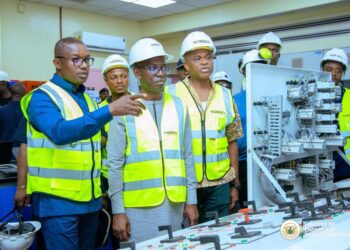
Institute of Economic Affairs (IEA) has underscored the country’s strategic progression toward integrating nuclear power into the national energy mix, utilizing the International Atomic Energy Agency (IAEA) Milestones Approach as its foundational blueprint.
This comprehensive framework is the internationally recognized standard that provides a structured path for nations to plan, prepare, and successfully deploy nuclear power technology in a safe and secure manner.
By advancing through these established phases, Ghana demonstrates a “deliberate and responsible approach” to nuclear development, grounded in long-standing institutional capacity.
“Ghana’s nuclear power programme reflects decades of careful planning, strong institutional development, and adherence to international standards. With an independent regulator, robust legal frameworks, and integrated oversight of safety, security, and safeguards, the country has established a credible foundation for the safe and peaceful use of nuclear technology.”
Institute of Economic Affairs (IEA)
Having successfully completed Phase 1 which involves consideration before a decision to launch a programme the nation is currently immersed in the Preparatory Phase (Phase 2).



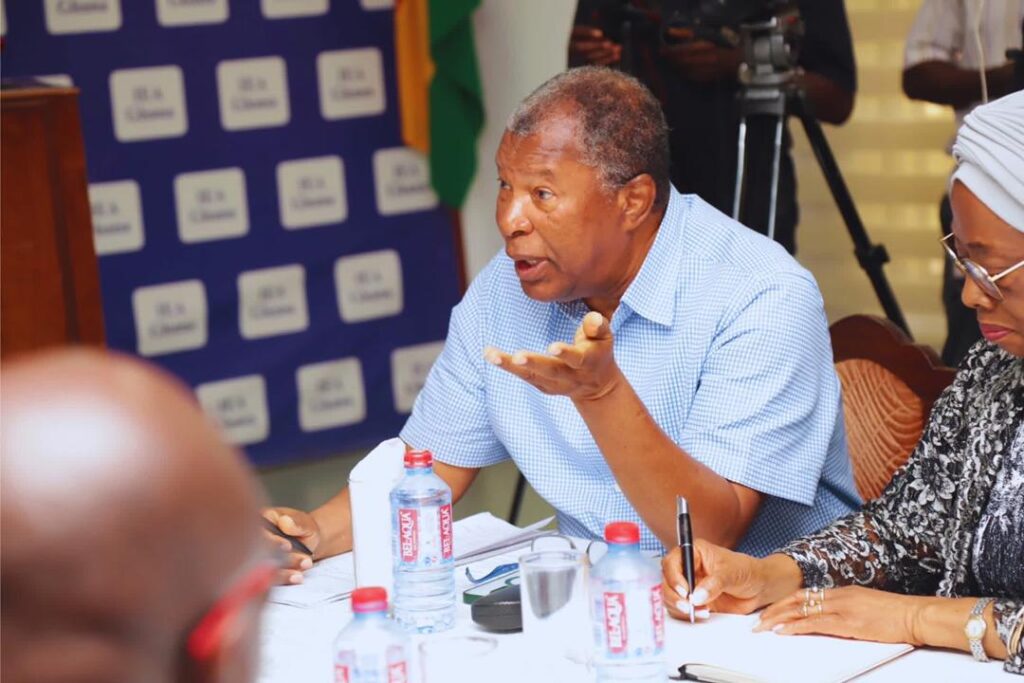
This stage focuses on essential groundwork, including the strengthening of legal and regulatory frameworks, the advancement of an independent Nuclear Regulatory Authority (NRA), and the development of a robust owner-operator model for future plant operations.
A Legacy of Nuclear Ambition
The Institute of Economic Affairs (IEA) points out that Ghana’s pursuit of nuclear energy is the realization of a vision tracing back to the early post-independence era.
Under the leadership of the country’s first President, Osagyefo Dr. Kwame Nkrumah, the Government established the Atomic Energy Commission to harness advanced science for national development and energy security.
This commitment was further solidified in 1964 with the creation of the Ghana Atomic Energy Commission (GAEC).
The nation achieved a pivotal technical milestone in 1995 with the commissioning of the Ghana Research Reactor-1 (GHARR-1) at Kwabenya.
The safe operation of this facility for research, training, and analytical applications over the decades has served as a practical proving ground, demonstrating Ghana’s “ability to manage nuclear facilities in line with international standards”.
This historical foundation is now being leveraged to address contemporary challenges, specifically growing electricity demand and the urgent need for climate-resilient energy solutions.
Ensuring 3S Regulatory Excellence
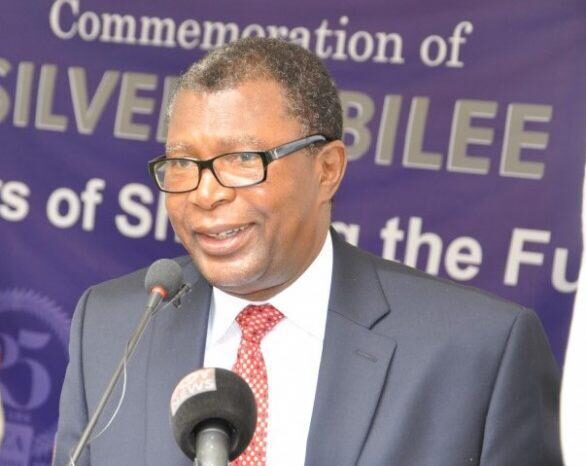
The Institute of Economic Affairs (IEA) explains that a credible nuclear power programme requires more than just technical capability; it demands a rigorous legal and regulatory environment.
Ghana has adopted an integrated 3S framework covering nuclear safety, nuclear security, and nuclear safeguards to ensure that all technology is utilized exclusively for peaceful purposes.
The Nuclear Regulatory Authority (NRA), established by Act 895 in 2015, acts as the independent cornerstone of this system.
By operating separately from promotional entities like GAEC and Nuclear Power Ghana, the NRA ensures objective oversight, which the IEA notes “strengthens public confidence and regulatory credibility”.
Furthermore, the framework is bolstered by continuous international validation through IAEA peer review missions, such as the Integrated Nuclear Infrastructure Review (INIR) and site design assessments, ensuring alignment with global best practices.
Lessons for Sustainable Deployment
The Institute of Economic Affairs (IEA) emphasizes that as Ghana matures its nuclear programme, several critical lessons emerge from its historical and ongoing journey.

First, the sustained growth of human and institutional capacity over several decades proves that long-term vision is vital, requiring continued investment in training and infrastructure to maintain this expertise.
Second, Ghana’s model of integrating safety, security, and safeguards within a single regulatory framework promotes “consistent regulatory decisions, efficient use of resources, and effective coordination” between stakeholders.
Third, achieving public confidence is just as important as technical readiness; thus, transparency is essential to ensure that civil society and the public are informed participants in the energy transition.
Finally, by consistently aligning with IAEA protocols and inviting external oversight, Ghana reinforces its image as a responsible actor, which is crucial for international partnerships and financing.
Looking forward, the IEA concludes that sustained “capacity building, regulatory strengthening, and active stakeholder engagement” will be the necessary components to ensure that nuclear energy reliably contributes to Ghana’s national development, energy security, and climate resilience goals.
READ ALSO: ACEP Expresses Concern over Deepening Power Crisis