The Ghana Atomic Energy Commission (GAEC) has reaffirmed its unwavering commitment to Ghana’s nuclear power agenda, as it ramps up its internal engagement efforts to ensure transparency and keep all stakeholders informed.
The Nuclear Power Institute (NPI) of GAEC recently held an interactive session with the commission’s management, providing updates on the progress of Ghana’s Nuclear Power Programme (NPP).
This strategic move by the commission underscores its deliberate dedication to fostering collaboration and aligning its internal stakeholders on the nation’s nuclear power aspirations.
“This engagement forms part of GAEC’s ongoing commitment to ensure transparency and keep all stakeholders informed about the nation’s nuclear power agenda.”
GAEC
Collaboration and Stakeholder Engagement

The Ghana Atomic Energy Commission has long been championing and driving the country’s nuclear power agenda, leveraging its expertise and institutional resources to advance this strategic endeavor.
Being the leading authority on nuclear technology in Ghana, GAEC has been instrumental in shaping the policy landscape and engaging with a diverse range of stakeholders to build a robust and inclusive nuclear power programme.
Through initiatives such as the recent internal engagement session, GAEC pledge its unwavering commitment to fostering collaboration and ensuring that every stakeholder, both within the organization and externally, remains informed and involved in Ghana’s journey toward the attainment of nuclear power.
This collaborative approach not only reinforces the commission’s transparency but also underscores its belief in the power of collective action to achieve its ambitious goals.
Ghana’s Nuclear Power Programme

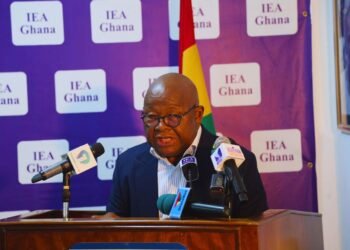
The engagement was charaterised by interactive session coupled a comprehensive presentation by Dr. Achibold Buah-Kwofie, the Director of the Nuclear Power Institute and the speech by the Director of Ghana Atomic Energy Commission, General, Prof. Samuel Boakye Dampare.
His detailed overview covered the current status of Ghana’s NPP, highlighting the key framework agreements signed with China and the United States, as well as the distinctions between the nuclear power programme and the nuclear power project.
Importantly, Dr. Buah-Kwofie also outlined the roadmap ahead, providing GAEC’s leadership with a clear understanding of the next steps and milestones to be achieved.
This level of transparency and engagement ensures that the commission’s top management, including the Director General, Deputy Director General, and the Directors of the various Institutes and Directorates, are aligned on the programme’s progress and priorities.
“I am optimistic that sooner than later, the country will fully harness the benefits that come with operating a nuclear power plant,” stated GAEC Director General, Prof. Samuel Boakye Dampare, highlighting the organization’s confidence in the programme’s trajectory.
The open Q&A session that followed the presentation further reinforced GAEC’s commitment to addressing concerns and clarifying issues, fostering a culture of alignment and confidence among the organization’s leadership.
This interactive dialogue underscores the commission’s belief that effective communication and collaboration are pivotal to the successful implementation of the nuclear power programme.
Benefits of Nuclear Power for Ghana’s Future

Ghana Atomic Energy Commission’s (GAEC) unwavering dedication to the nuclear power programme is underpinned by its vision of positioning Ghana as a leader in the utilization of nuclear technology for sustainable development.
As the country traverses the energy landscape, the commission remains steadfast in its belief that nuclear power holds the key to unlocking a future of clean, reliable, and affordable energy for the nation.
Through its robust stakeholder engagement efforts, GAEC is not only keeping its internal stakeholders informed but also laying the groundwork for broader public awareness and support.
This holistic approach ensures that the journey toward nuclear power is undertaken with the full participation and understanding of all those who have a vested interest in Ghana’s energy future.
While GAEC continues to spearhead the country’s nuclear power agenda, its ability to foster collaboration, maintain transparency, and inspire confidence among its stakeholders will be crucial in realizing the transformative potential of this strategic endeavor.
The commission’s unwavering commitment to this cause stands as a testament to its vision for a sustainable and prosperous Ghana, powered by the promise of nuclear energy.
READ ALSO: Domestic Production Drove Economic Growth in 2025H1 to 6.3% – Ato Forson