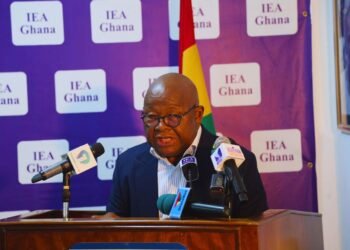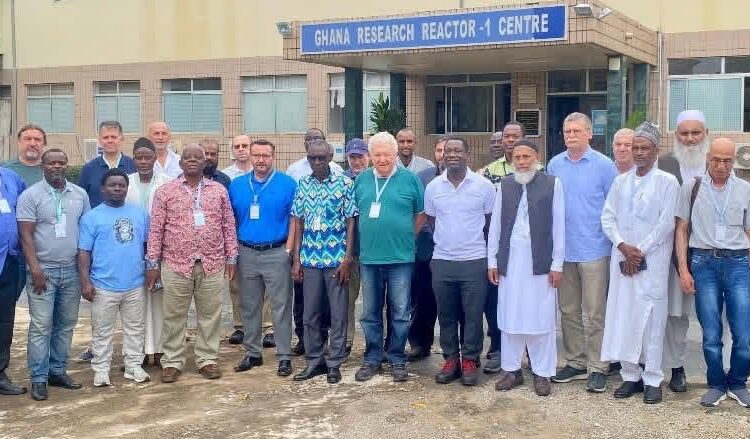
The Ghana Atomic Energy Commission (GAEC) has hosted a week-long Equipment Demonstration and International Training Session on Miniature Neutron Source Reactor (MNSR) Highly Enriched Uranium (HEU) Core Discharge and Packaging.
The training, conducted in collaboration with the International Atomic Energy Agency (IAEA), aims to equip participants with the necessary skills and experience to safely remove and package HEU cores from research reactors.
“The programme forms part of ongoing international efforts by the International Atomic Energy Agency (IAEA) to phase out the use of highly enriched uranium fuel in research reactors and replace it with low enriched uranium (LEU), in line with global nuclear security and non-proliferation objectives.”
Prof. Samuel Yao Ganyaglo, NNRI Director
Nuclear Security and Non-Proliferation
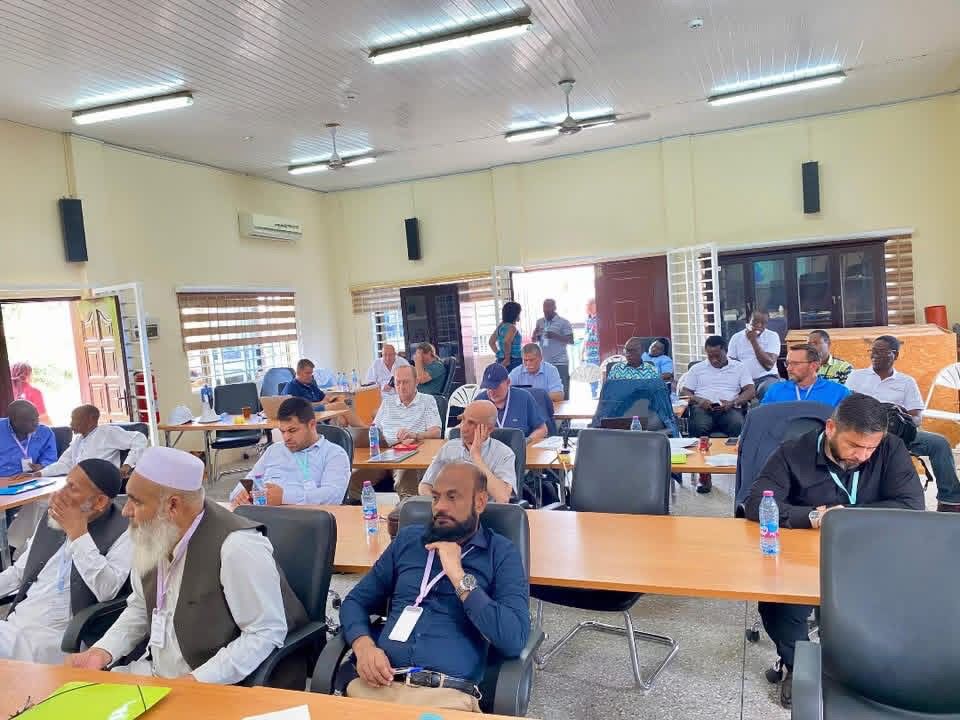
The training programme is part of a worldwide Core Conversion Programme under the auspices of the US Department of Energy (DoE) which seeks to aligns with global nuclear security and non-proliferation objectives, as HEU poses a greater risk of being diverted for the development of nuclear weapons.
Ghana’s successful conversion of its Highly Enriched Uranium (HEU) core to Low Enriched Uranium (LEU) core in 2017 has positioned the country as a model for other nations operating similar research reactors.
“Following Ghana’s success, Nigerian scientists and technical experts were trained at GAEC by experts to perform their own core removal in 2018.”
Prof. Samuel Yao Ganyaglo, NNRI Director
Commitment to Nuclear Safety
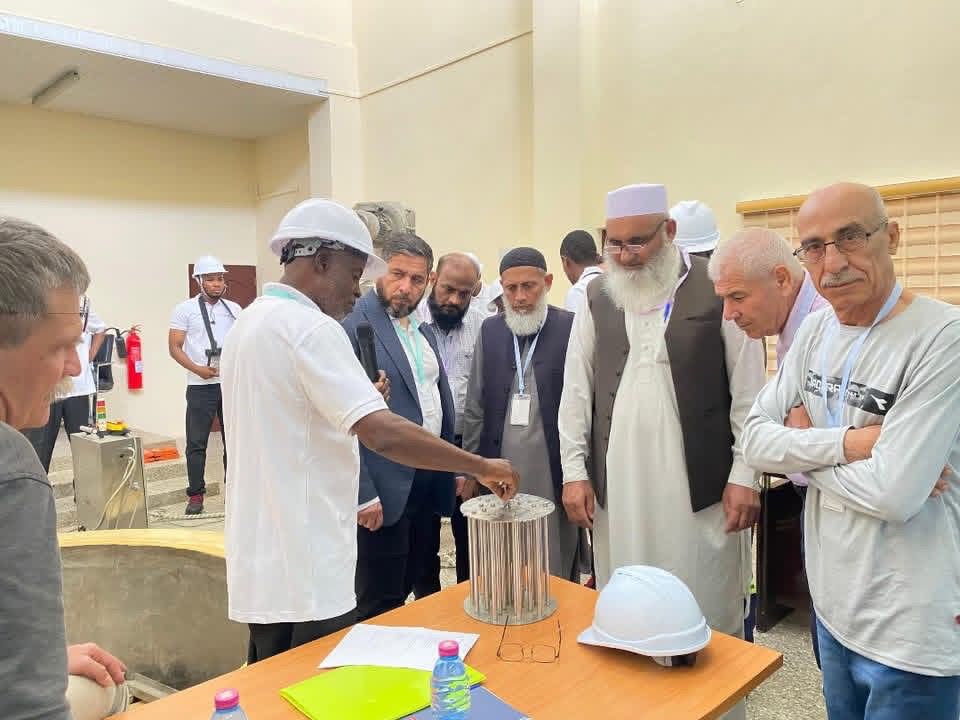
The Ghana Atomic Energy Commission has long been at the leading front in promoting nuclear safety and capacity building within the country’s nuclear energy sector.
Through its National Nuclear Research Institute (NNRI), GAEC has been instrumental in advancing research, training, and the development of nuclear applications in various fields, including health, agriculture, and industry.
International Collaboration

The recent training session hosted by Ghana Atomic Energy Commission (GAEC) which brought together a diverse group of participants, including scientists and technical experts from Syria, Pakistan, Nigeria, the United States, and the Czech Republic, as well as representatives from the IAEA allowed for the exchange of experiences and the transfer of knowledge thereby strengthening the global network of nuclear safety professionals.
According to Dr. Henry Cecil Odoi, Ghana’s Project Coordinator, the training session was a demonstration exercise, with the expectation that more comprehensive training sessions will be held in the future to provide technical staff from participating countries with the practical skills and experience required for certification to perform reactor core conversions.
Responsible Nuclear Operations
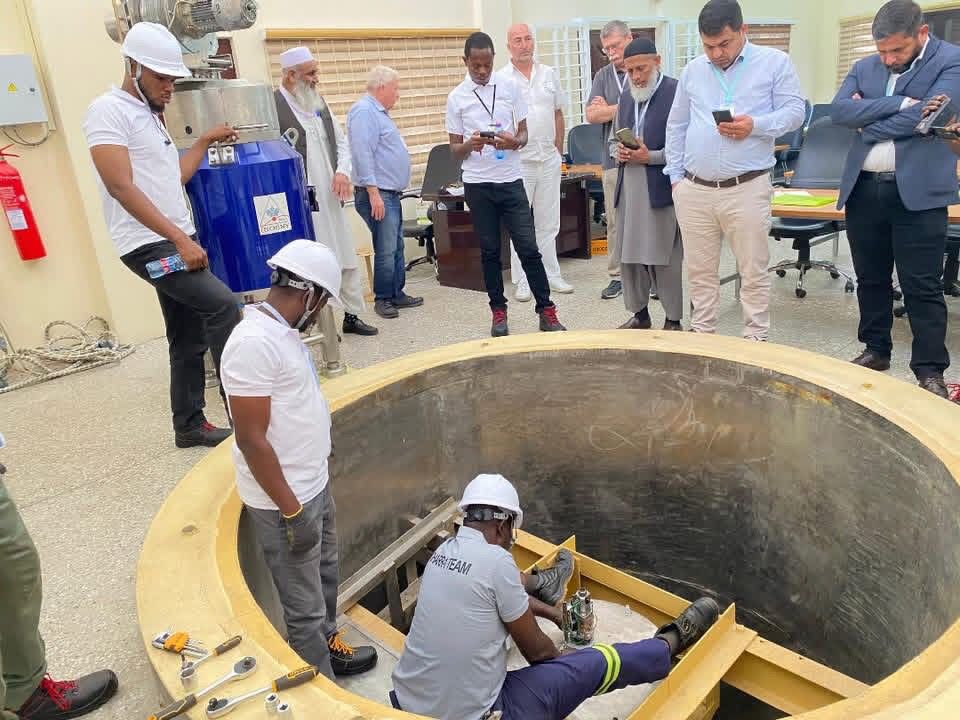
GAEC by hosting this training program, demonstrates its commitment to promoting safe and responsible nuclear operations, not only within Ghana but also on a regional and global scale.
The knowledge and expertise gained by the participants will undoubtedly contribute to the safe and efficient management of research reactors, ultimately enhancing nuclear security and non-proliferation efforts worldwide.
While the global community continues to lead the complexities of nuclear technology, the Ghana Atomic Energy Commission’s leadership in this area serves as a testament to the country’s dedication to the peaceful and responsible use of nuclear energy.
Through initiatives such as the MNSR Core Removal training, GAEC is positioning Ghana as a beacon of excellence in nuclear safety and capacity building, setting the stage for further advancements in the field.
READ ALSO: President Mahama Urged to Respect Judicial Independence, Fix National Security