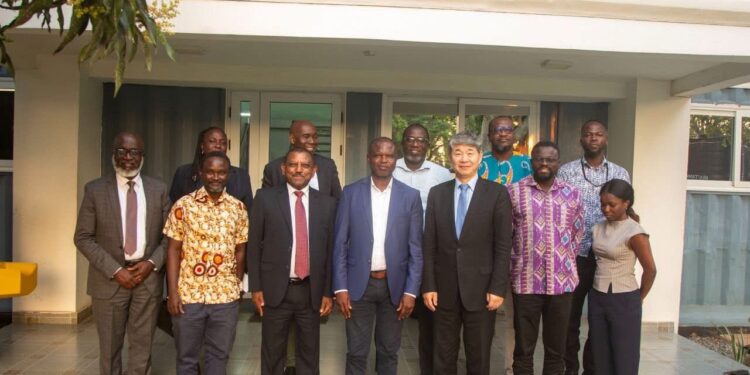
Ghana through its responsible atomic energy agencies, has hosted Dr. Hua Liu, the Deputy Director General in charge of Technical Corporation (TC) accompanied by other delegation of the International Atomic Energy Agency (IAEA) to deepen the relationship between the two parties.
The other in accompany of the delegation included the International Atomic Energy Agency’s (IAEA) Acting Director of the Division for Africa, Dr. Gashaw Gebeyehu Wolde.
The duo was hosted by the National Liaison Officer for the IAEA in Ghana, Prof. Samuel Boakye Dampare, who also doubles as the Director General of Ghana Atomic Energy Commission (GAEC).
The representatives of the two parties i.e the IAEA and Ghana harnessed the engagements as a platform to deliberate on the issues of utmost relevance concerning the global atomic energy reforms.
The visit in excess, also offered an opportunities to share the common challenges impeding the atomic energy agenda journey and how to collaboratively address them.
“The visit is aimed at strengthening ties with Ghana and to understand the current state of Ghana’s Nuclear Power Programme (NPP), usage of nuclear installations/facilities in the country and to determine other areas of corporation between Ghana and the IAEA.”
GAEC
Ghana’s Energy Policy and Atomic Energy Framework
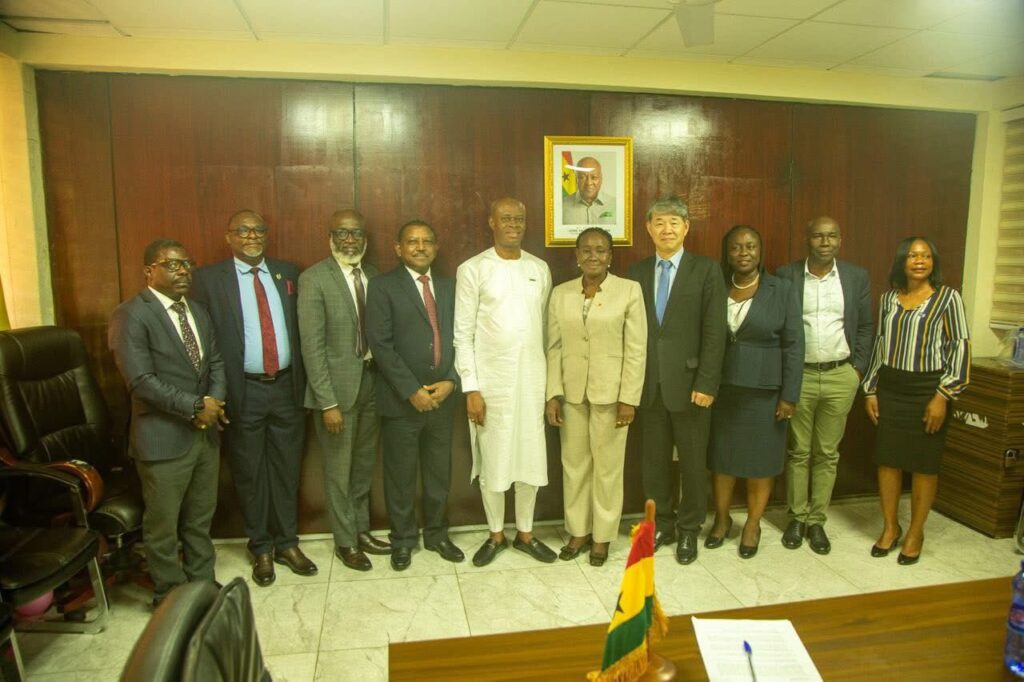
Ghana’s energy policy has long recognized the strategic importance of nuclear power in diversifying the country’s energy mix and reducing its reliance on fossil fuels.
The Ghana Atomic Energy Commission (GAEC), which serves as the National Liaison Officer for the International Atomic Energy Agency (IAEA)in Ghana, over the years, played a crucial role in advancing the country’s nuclear energy framework.
The visit by the IAEA delegation, therefore, represents a significant opportunity to further strengthen this partnership and explore new areas of collaboration.
Exploring Collaboration
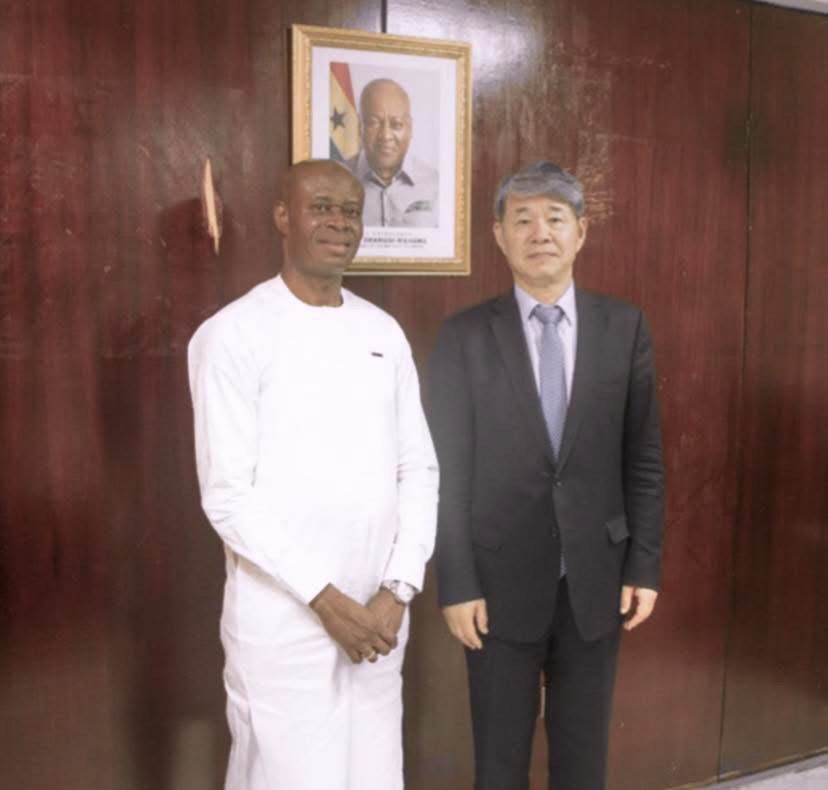
During the visit, the International Atomic Energy Agency (IAEA) delegation also held discussions with various government ministries and agencies, including the Ministry of Health (MoH), the Ministry of Environment, Science, and Technology (MEST), and the Nuclear Power Ghana (NPG).
The talks focused on “possible areas of corporation in health, agriculture, energy, manpower development and environment protection.”
This wide-ranging engagement underscores the versatility of nuclear technology and its potential to contribute to Ghana’s sustainable development across multiple sectors.
Nuclear Infrastructure and Expanding Capacity
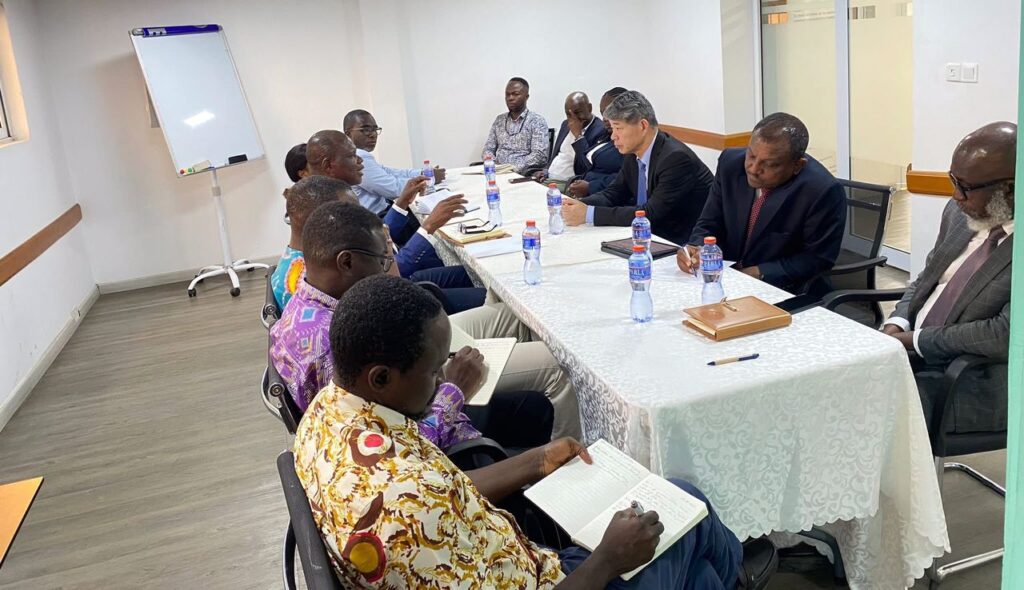
The discussions also focused on enhancing current nuclear facilities and construction of new ones for the benefit of Ghana and the subregion.
“Notable among them is the construction of a third radiotherapy center in Tamale, the construction of a children’s hospital and offer of scholarships for training of students in nuclear science and engineering from the undergraduate to graduate levels. “
GAEC
These initiatives demonstrate the International Atomic Energy Agency (IAEA)’s commitment to supporting Ghana’s efforts to modernize its nuclear infrastructure and build a robust pool of nuclear expertise.
Regulatory Framework and Safety Standards
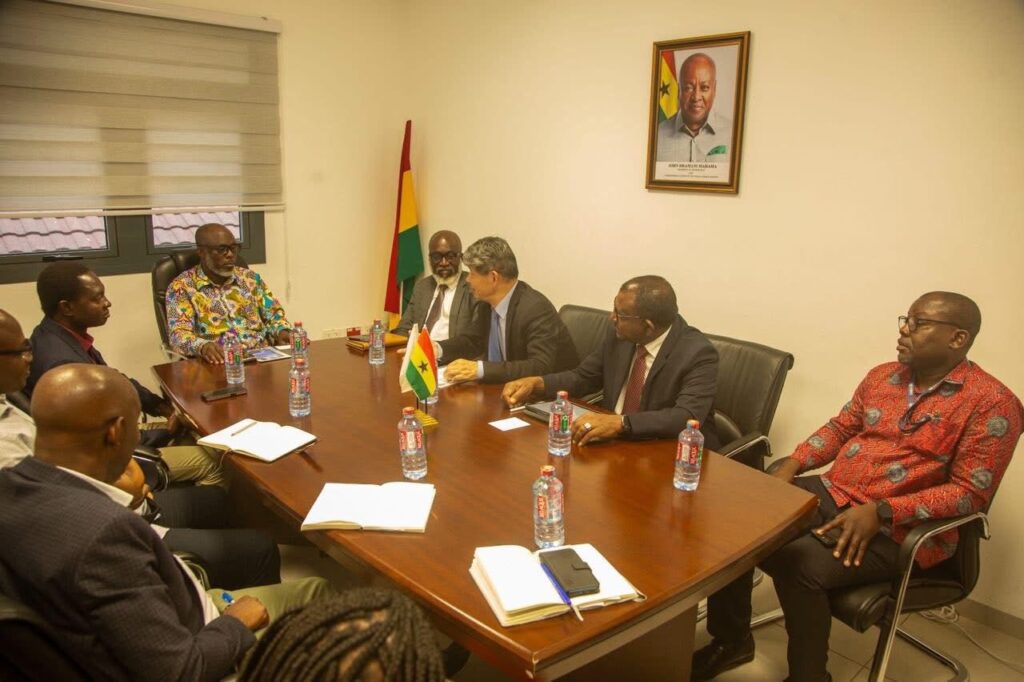
The delegation’s visit to the Nuclear Regulatory Authority (NRA) and its meeting with the Deputy Director General, Prof. Augustine Faanu, and his team, also signifies the importance of maintaining a robust regulatory framework and upholding the highest safety standards in Ghana’s nuclear energy sector.
This engagement is critical in ensuring that the country’s nuclear programs conform with international best practices and maintain public confidence.
The visit was not just limited to government agencies i.e the ministries as it also involved discussions with the leadership and technical teams of the Ghana Atomic Energy Commission (GAEC).
The involvement of GAEC’s Institute Directors, such as the Director of the Radiological and Medical Sciences Research Institute (RAMSRI), Dr. Theodosia Adom, and the Director of the Nuclear Power Institute, Dr. Archibold Buah-Kwofie, during the meetings reflected the depth of expertise and the collaborative nature of the engagement.
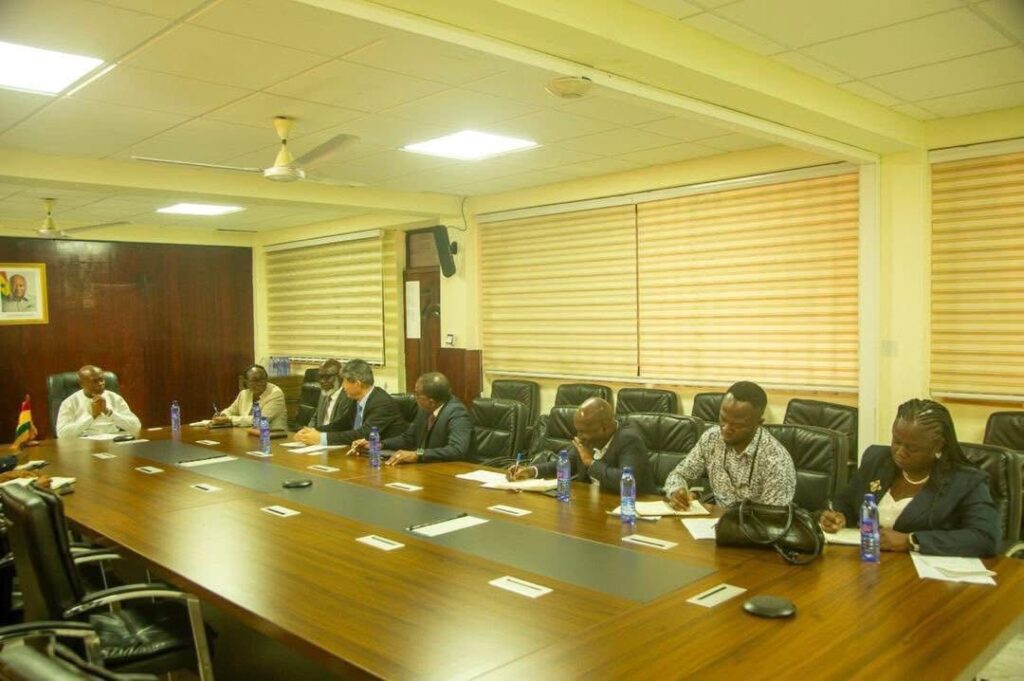
The International Atomic Energy Agency (IAEA) delegation’s visit to Ghana represents a significant step in strengthening the country’s ties with the global nuclear energy community.
Through aligning with Ghana’s energy policy, exploring new areas of collaboration, and supporting the upgrade and expansion of nuclear infrastructure, the IAEA is poised to play a pivotal role in unlocking Ghana’s full potential in the nuclear energy sector. This partnership will undoubtedly contribute to the country’s pursuit of a sustainable, diversified, and resilient energy future.
READ ALSO : Government Shutdown Reaches 36th Day, Breaks Record As Longest