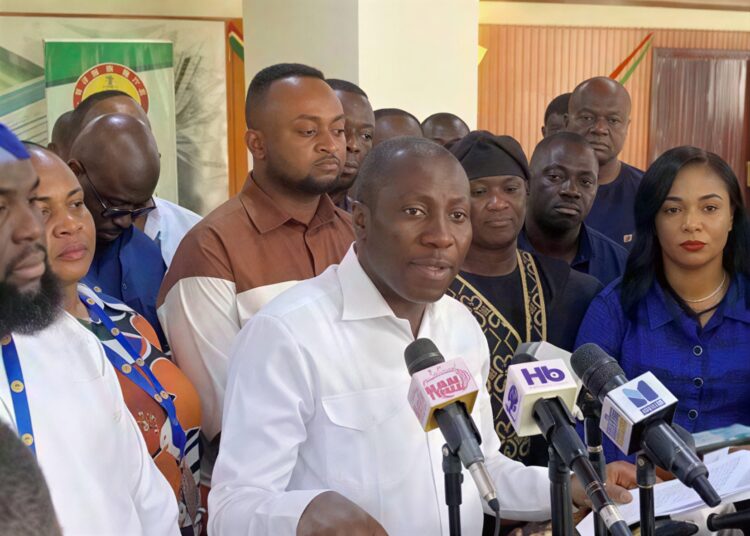
The Minority in Parliament has boycotted the vetting of three Supreme Court nominees after its objection to the timetable for the exercise was rejected by the Appointments Committee.
The walkout followed a tense exchange between the Minority Leader, Honourable Alexander Kwamena Afenyo-Markin, and the Chairman of the Appointments Committee, Honourable Bernard Ahiafor, over whether the committee could proceed with the vetting despite the Minority’s preliminary objection.
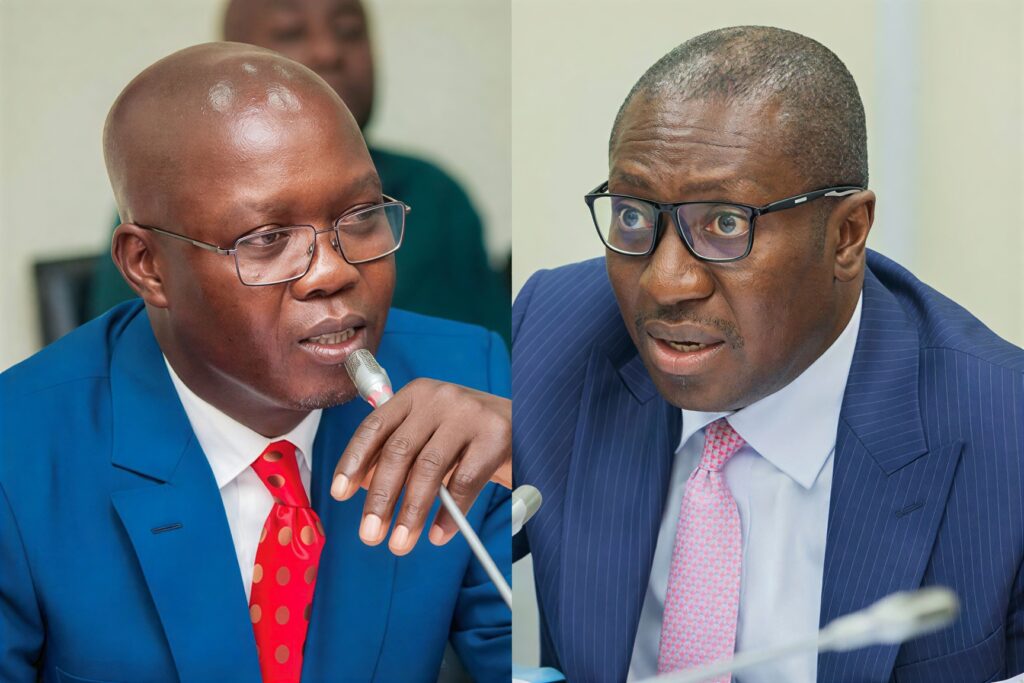
Honourable Afenyo-Markin, who is also the Member of Parliament for Effutu, argued that the committee was moving too quickly on nominations that required careful parliamentary scrutiny. He questioned the basis for completing the exercise within three days, particularly in the absence of an immediate vacancy on the Supreme Court bench.
“A committee that vets a Justice of the Supreme Court in three days, in the absence of any actual vacancy, in the face of Standing Orders that remain fully in force, cannot claim to have given the process the scrutiny it deserves.”
Honourable Alexander Kwamena Afenyo-Markin
The Minority Leader’s objection focused on the parliamentary procedure governing the referral and consideration of the nominations. He insisted that the relevant Standing Orders are applicable and challenged the Majority’s attempt to rely on an earlier decision of the House to justify the accelerated timetable.
Honourable Ahiafor, who is the First Deputy Speaker and Chairman of Parliament’s Appointments Committee, presented a different interpretation of the proceedings. He explained that the committee had received the referrals from the House and held a preliminary meeting after the President requested an expedited consideration of the nominations.
The Akatsi South MP further recalled that the Minority Leader had participated in discussions preceding the scheduling of the exercise. He indicated that the committee had addressed the issues raised during its preliminary meeting and considered the matter settled.
The Decision Cannot Be Changed Based On Rejection
According to Honourable Ahiafor, the House retained authority to determine its business and a committee could not overturn a decision already taken at plenary. He therefore rejected the suggestion that the committee could independently suspend the direction of the full House.
“The plenary has a right to vary the decision of the committee. However, if the House takes a decision, no committee can vary the decision of the House.”
Honourable Bernard Ahiafor
The disagreement intensified when Honourable Afenyo-Markin challenged the basis for the ruling and insisted that the Minority has a right to have its motion properly considered. He also questioned why an earlier understanding concerning the timing of the Supreme Court vetting had changed.
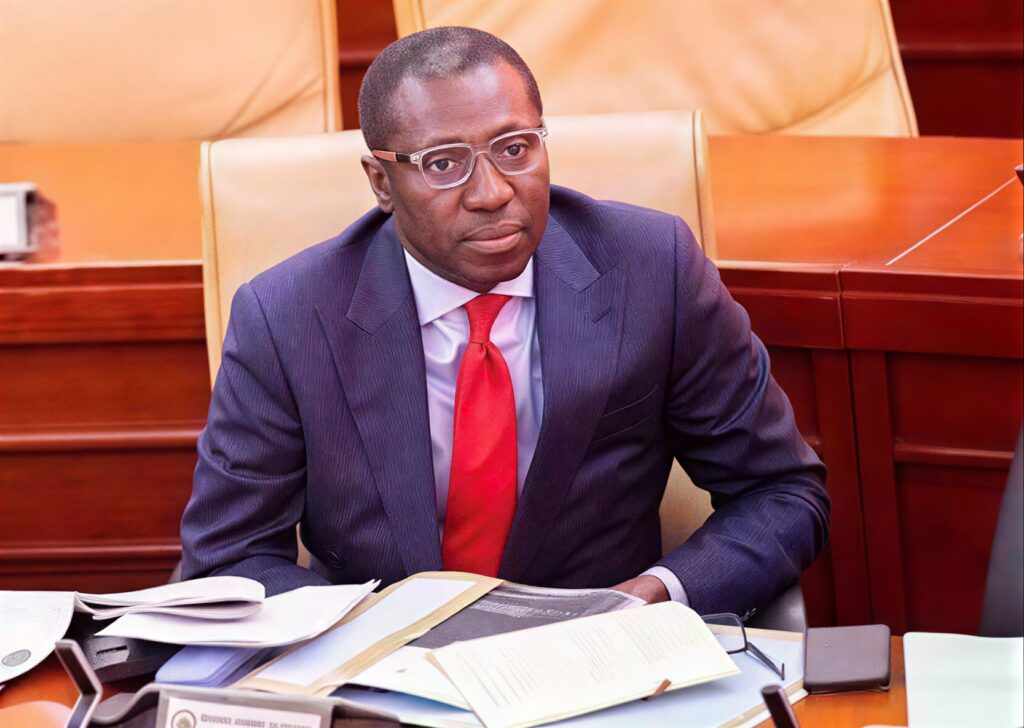
Honourable Afenyo-Markin then directed his criticism at the Majority side, arguing that parliamentary principles should remain consistent regardless of which side controls the House. He specifically invoked the position taken by Honourable Mahama Ayariga in 2024, when he claimed a longer period had been advocated for a similar vetting process.
The exchange subsequently drew Honourable Rockson-Nelson Kwami Etse Dafeamekpor, the Member of Parliament for South Dayi and Majority Chief Whip, into the proceedings. Honourable Afenyo-Markin also referenced Honourable James Klutse Avedzi? No, the transcript specifically names Honourable Mahama Ayariga and Honourable Dafeamekpor, with the former being the Majority Leader and the latter the Majority Chief Whip.
The Minority Leader accused the Majority of allowing political considerations to influence parliamentary procedure. He also rejected the suggestion that the chair could determine the matter through a ruling when the Minority had raised a formal motion.
“Maintain your own principle! You act out of political convenience. Where is your principle?”
Honourable Alexander Kwamena Afenyo-Markin
The disagreement eventually resulted in the Minority withdrawing from the vetting exercise. The Appointments Committee thereafter proceeded without the Minority members.
Minority Challenges Three Day Vetting Over Parliamentary Procedure
Honourable Bernard Ahiafor added that the committee’s scheduling followed a referral from the House and explained that the decision was connected to the urgent business for which Parliament was recalled. He referred to the provisional Hansard to support his account of the proceedings leading to the committee’s timetable.
Honourable Ahiafor also identified Honourable Rockson-Nelson Kwami Etse Dafeamekpor, the Majority Chief Whip and Member of Parliament for South Dayi, as having raised the matter of suspending Standing Order 217 to facilitate consideration of the urgent business.
The chairman argued that any member dissatisfied with a decision taken by the full House must pursue the remedy provided under Parliament’s Standing Orders. Consequently, he declined to accept that the Appointments Committee could independently reverse or suspend a direction from plenary.

The Minority Leader, however, insisted that no substantive resolution has been passed to settle the particular objection raised by his side. His intervention repeatedly returned to the need for the committee to hear and determine the preliminary motion before proceeding with the vetting.
At one stage, Honourable Afenyo-Markin appealed for an opportunity to respond before the committee proceeded. He argued that rushing through the objection would deprive the Minority of its procedural right to present its case.
The argument also drew Honourable Mahama Ayariga, then Majority Leader and Member of Parliament for Bawku Central, into the dispute. Honourable Afenyo-Markin invoked a position he attributed to Ayariga during the previous Parliament, using it to question the consistency of the Majority’s current approach.
“Ayariga, you were there. You said 14 days, why three days? And when we react, you start shouting and threatening us. What is going on in this country?”
Honourable Alexander Kwamena Afenyo-Markin
Honourable Afenyo-Markin also addressed Honourable Dafeamekpor directly during the exchanges, recalling their academic relationship and urging him to separate political considerations from parliamentary principles. He argued that the dispute should be resolved through the Standing Orders and a formal decision of the committee.
READ ALSO: Galamsey Fight Demands Coordinated Government Action — Minister-Designate For Environment