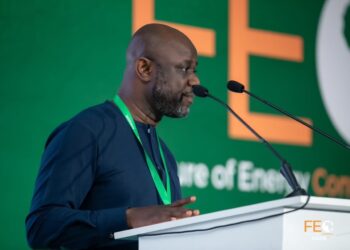

Former Minister for Lands and Natural Resources, Hon. Inusah Abdulai B. Fuseini, has renewed calls for far-reaching reforms in Ghana’s natural resource governance, warning that the current legal and regulatory framework excessively favours foreign investors at the expense of the national interest.
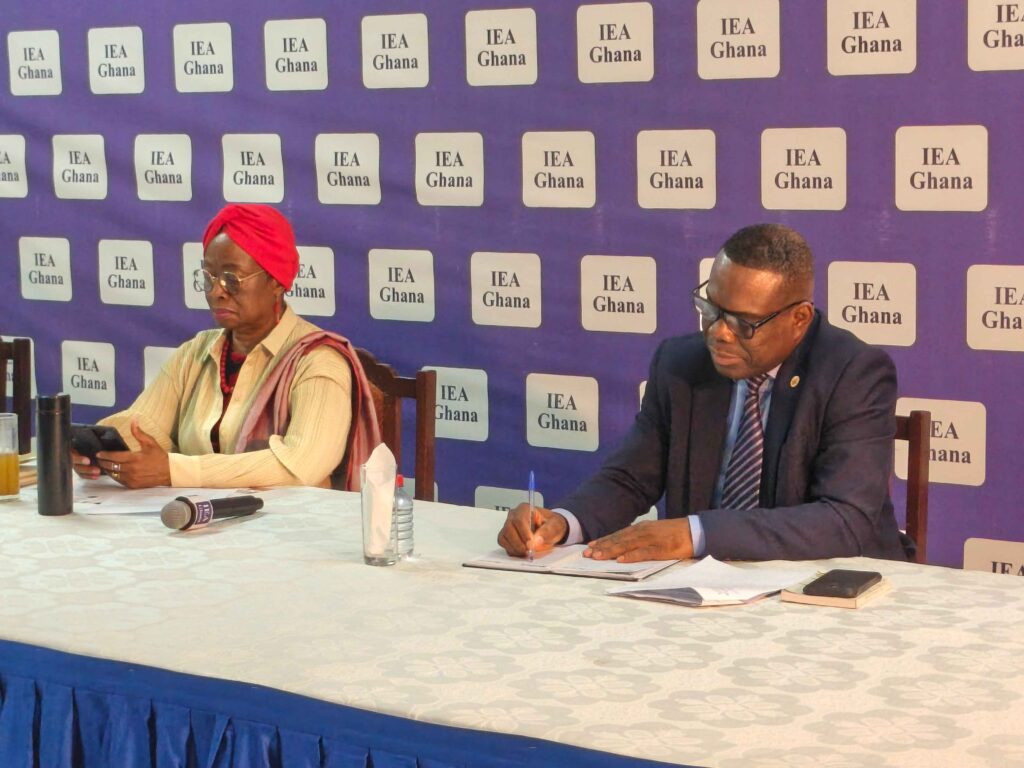
Speaking to The Vaultz News on the sidelines of the Institute of Economic Affairs (IEA) Seminar on “The Systems and Types of Benefits from Ghana’s Mineral Resources: Royalties, Rentals, Fees, Taxes, and Matters Arising,” Hon. Fuseini argued that Ghana’s fiscal and regulatory regimes for natural resource exploitation have failed to yield equitable benefits for its citizens despite decades of mineral production.
“The legal and regulatory regime that we have put in place for the exploitation of our natural resources is not benefiting us. The benefits are skewed towards foreign investors.
“What do we do to get a substantial and significant part of that benefit? That is the question everybody is trying to answer.”
Hon. Inusah Abdulai B. Fuseini, Former Minister for Lands and Natural Resources
The former minister, who served during the administration of the late President Prof. John Evans Atta Mills, recalled that past efforts to review Ghana’s fiscal regime on natural resources had not yielded the expected results.
He referred to earlier committees that sought to realign royalties, taxes, and fees to better serve national interests but were constrained by international investor pressures and contractual obligations.
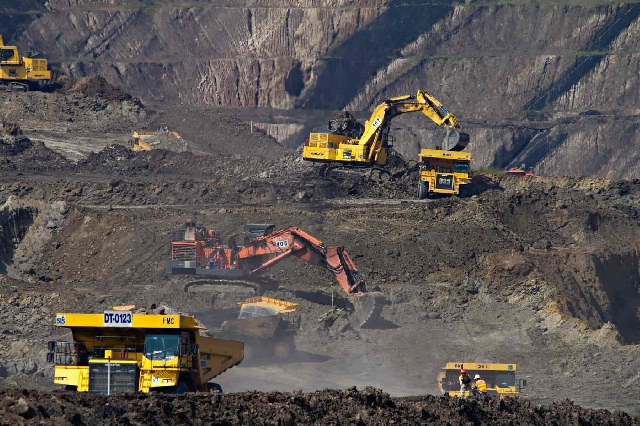
According to Hon. Fuseini, Ghana has fallen victim to what he described as the “race to the bottom,” a phenomenon in which countries, in their quest to attract investment, end up offering increasingly favorable terms to multinational corporations at the expense of their own economic interests.
According to the former minister, Ghana’s tendency to grant equal treatment to all mining firms often under pressure from multinational corporations has weakened its negotiating position and entrenched unfair terms.
“When Newmont came and got better deals, AngloGold said, ‘Well, you can’t treat us differently from Newmont. What you have given to Newmont, give to us.’
“That’s a manifestation of the race to the bottom.”
Hon. Inusah Abdulai B. Fuseini, Former Minister for Lands and Natural Resources
Hon. Fuseini asked, “Do we want to continue on that trajectory? No. I’m lending my voice to a conversation that is both important and critical for our nation.”
New Approach for the Lithium Era
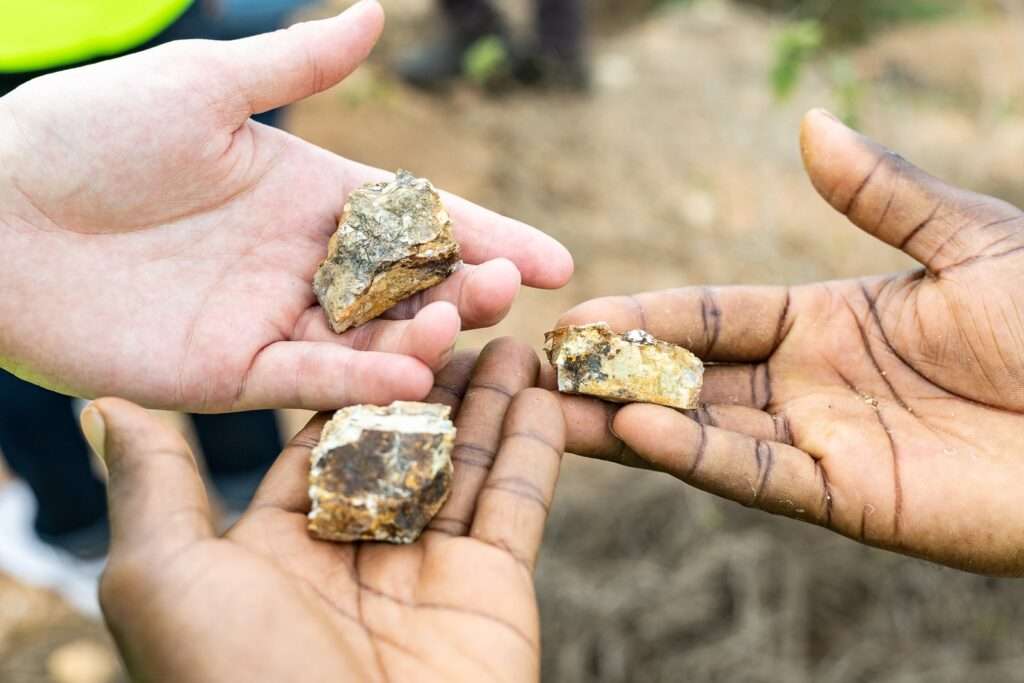
Turning his attention to Ghana’s recent lithium discovery, Hon. Fuseini described the discovery of lithium as a “game-changing opportunity” for Ghana to reform its fiscal and regulatory model.
“When the agreement was being signed, I thought that the discovery of lithium in this country offered us an important opportunity to move away from the fiscal regime that we have discussed, to a new one that reflects the green energy transition.”
Hon. Inusah Abdulai B. Fuseini, Former Minister for Lands and Natural Resources
He described lithium as “a critical mineral for the green energy transition,” emphasising that its global demand provides Ghana with significant bargaining power. “The model should have been totally different from the royalties model,” he said.
The former minister advocated for a service contract approach rather than the conventional royalty-based system, explaining that this would allow Ghana to partner with capable investors while retaining greater control and a larger share of profits.
“Under such arrangements, those companies bring their expertise to explore the minerals, but a greater percentage of the reward comes to Ghana.
“They are looking for the mineral, and it is critical to the world’s energy future.”
Hon. Inusah Abdulai B. Fuseini, Former Minister for Lands and Natural Resources
Expressing disappointment with the current fiscal approach, he added, “I was disappointed when it appeared to me that we were still moving along the same path of royalties, taxes, and carried interest, the same model that has never truly benefited this country.”
Transparency and Parliamentary Oversight
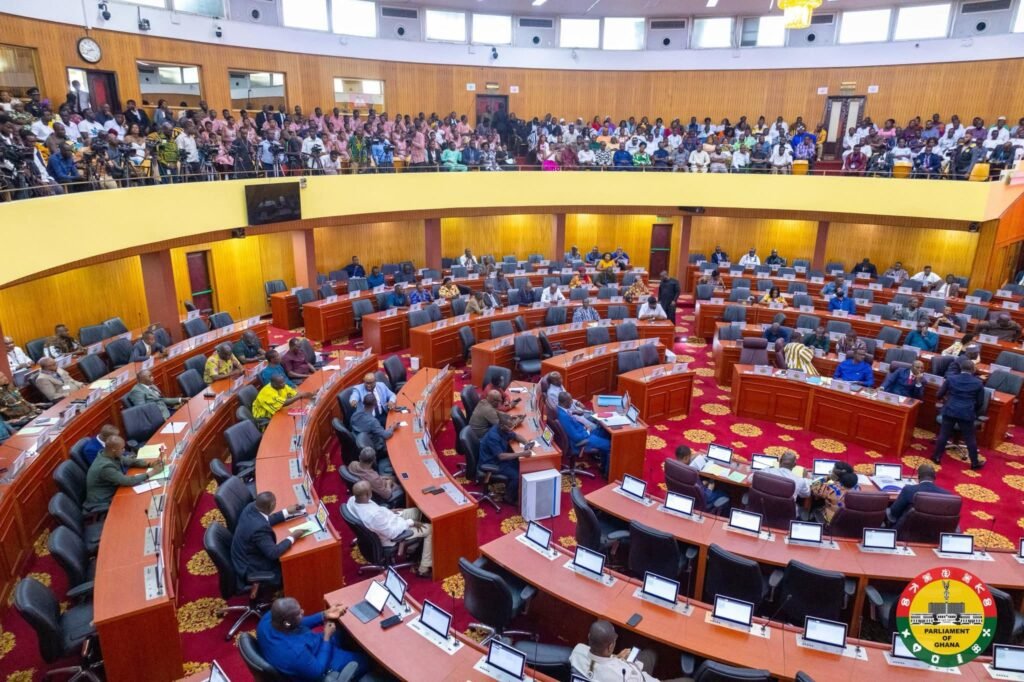
Mr. Fuseini also raised concerns about the ongoing delay in the parliamentary ratification of Ghana’s lithium mining agreement with Atlantic Lithium, noting that transparency is essential to public trust and good governance.
“The government is not only supposed to bring the agreement to Parliament for ratification; it is also for Parliament to know exactly what is in the agreement.
“Do you know what is in the agreement? No. So when the agreement goes to Parliament, the people of this country, through their representatives, are given the opportunity to know what it contains.”
Hon. Inusah Abdulai B. Fuseini, Former Minister for Lands and Natural Resources
He insisted that Parliament must call for the agreement if the executive fails to submit it, as the law demands that all mineral agreements be ratified by the legislature to ensure national accountability.
According to Mr. Fuseini, keeping the agreement away from Parliament undermines public confidence and contradicts the constitutional principles governing Ghana’s mineral resource management.
Charting a Sustainable Path Forward
The former lands minister underscored that Ghana’s natural resource policies must evolve beyond extractive models that prioritise investor returns over national development.
“We cannot continue to operate in a regime that gives so much to foreign investors while our communities remain underdeveloped.”
Hon. Inusah Abdulai B. Fuseini, Former Minister for Lands and Natural Resources
He urged policymakers to approach the lithium agreement, and future mineral contracts with a sense of national urgency and strategic foresight.
Hon. Inusah Fuseini’s intervention comes amid growing public debate over Ghana’s fiscal framework for critical minerals, especially as the global green energy transition intensifies demand for lithium, cobalt, and other rare minerals.
His comments align with calls from experts and civil society for a new resource governance model that balances investor confidence with national equity.
As the conversation on resource nationalism gains momentum, Hon. Fuseini’s intervention underscores the urgency of moving beyond historical patterns that have left resource-rich African countries like Ghana reaping little from their vast mineral endowments.
His message is clear: the path to sustainable development lies not in appeasing investors, but in designing systems that secure lasting benefits for Ghanaians.