United Kingdom has reaffirmed its commitment to strengthening global nuclear non-proliferation efforts, warning of mounting international security challenges and calling for renewed cooperation among states.
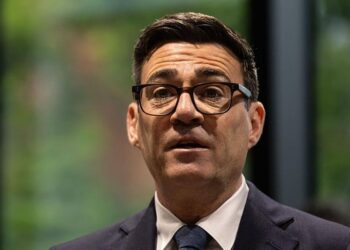
Speaking at the UN General Assembly during the Treaty on the Non-Proliferation of Nuclear Weapons (NPT) Review Conference, Steven Doughty, Minister of State for Europe, North America, and the Overseas Territories, emphasised the treaty’s role in ensuring global peace.
“For more than fifty years, this Treaty has been a truly vital pillar of international peace and security. It has helped limit the spread of nuclear weapons; facilitated access to clean and reliable energy; and has built confidence for responsible nuclear trade.”
Steven Doughty
He pointed to a range of developments that have intensified global risk, including Russia’s continued invasion of Ukraine and its development of new nuclear systems, alongside what he described as reckless behaviour around key nuclear facilities such as Zaporizhzhia and Chornobyl.
Doughty also raised concerns over Iran’s non-compliance with its safeguards obligations and ongoing nuclear developments by North Korea, as well as China’s rapid expansion of its nuclear arsenal without sufficient transparency or engagement in risk reduction measures.
In light of this, Doughty stated that the UK is still completely committed to fulfilling its commitments under the NPT, especially Article Six, which deals with disarmament and also stressed that to ensure that the treaty continues to support international security in the years to come, member parties must immediately reassert their joint commitment to its fundamental tenets.
UK’s approach, he explained, is focused on strengthening international mechanisms to address proliferation challenges while maintaining stability through deterrence. He stressed the importance of supporting the International Atomic Energy Agency and working with global partners to tackle nuclear risks, particularly those posed by Iran and North Korea.
He reiterated that a negotiated outcome remains the only viable long-term solution to concerns surrounding Iran’s nuclear programme, while also calling on North Korea to dismantle its nuclear and ballistic missile capabilities and return to compliance with the treaty.
At the same time, Doughty reaffirmed that nuclear deterrence continues to serve as a cornerstone of UK security and its commitments within NATO. He said the UK would continue to take necessary steps to maintain its deterrence capability, while pursuing conditions that would enable meaningful progress toward disarmament. This approach, he noted, is both pragmatic and principled, relying on gradual, transparent, and verifiable steps that ensure security for all states.
The minister also highlighted the UK’s ongoing support for practical disarmament measures, including efforts to initiate negotiations on a Fissile Material Cut-Off Treaty, maintaining a voluntary moratorium on nuclear test explosions, and backing the work of the Comprehensive Nuclear Test Ban Treaty Organisation. He pointed to the UK’s leadership role within the P5 process, where it has sought to promote dialogue and confidence-building measures among nuclear-armed states to reduce risks and enhance strategic stability.
In addition to addressing security concerns, Doughty drew attention to the expanding role of peaceful nuclear technology, particularly in areas such as clean energy, healthcare, and food security.
He stressed that as access to nuclear energy grows globally, the need for robust safeguards becomes increasingly critical. The UK, he said, is committed to working with international partners to ensure that civil nuclear technology is used safely and responsibly, reinforcing trust and transparency between nations.
UN Chief Warns of Eroding Trust in Nuclear Treaty
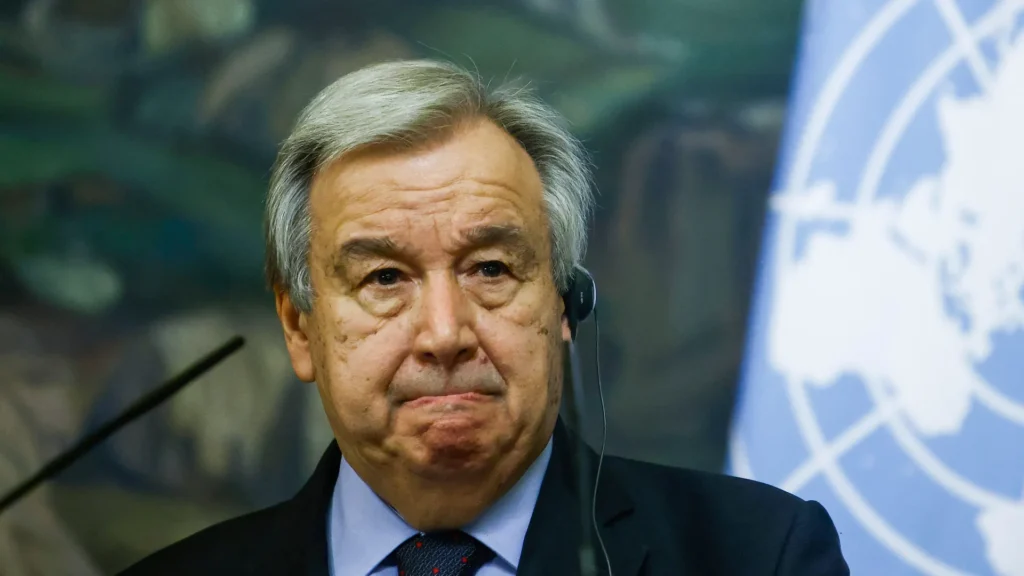
Meanwhile, fresh warnings from the United Nations have highlighted growing global concern over the state of nuclear disarmament, as officials caution that decades of progress risk being reversed.
United Nations General Assembly, Secretary-General António Guterres said the cornerstone of efforts to eliminate nuclear weapons is eroding, pointing to rising nuclear stockpiles, renewed discussions around nuclear testing, and a surge in global military spending, which reached $2.7 trillion in 2025.
Guterres warned that commitments under the Treaty on the Non-Proliferation of Nuclear Weapons are increasingly unfulfilled, while trust and credibility among states are weakening.
He urged countries to revitalise the treaty, stressing that emerging technologies such as artificial intelligence and quantum computing are introducing new risks to global security.
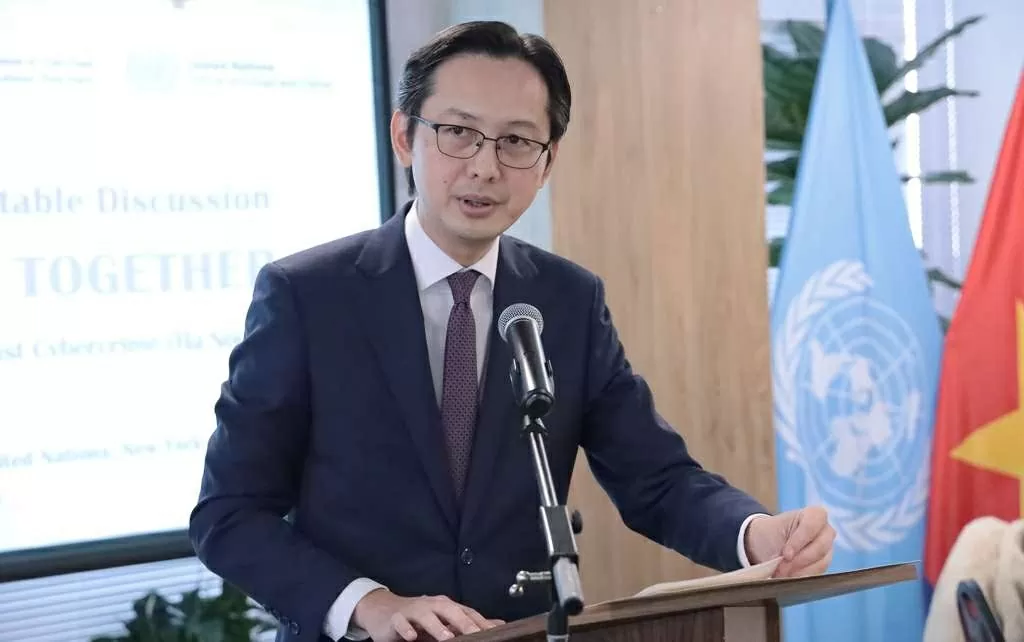
These concerns were echoed by Do Hung Viet, President of the current NPT Review Conference, who described the global security landscape as increasingly uncertain. He acknowledged the treaty’s role over the past five decades in preventing the spread of nuclear weapons but warned that rising military expenditure and expanding arsenals are undermining its effectiveness.
Viet also cautioned that the relevance and credibility of the treaty are under threat, with the risk of a renewed nuclear arms race becoming more tangible. He noted that previous review conferences in 2015 and 2022 failed to reach consensus, and urged delegates to engage constructively to secure an agreement this time.
READ ALSO : Trump Calls For Jimmy Kimmel’s Dismissal