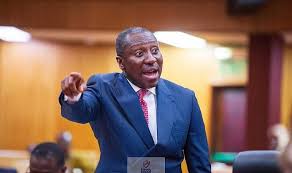

Ghana’s long standing struggle with corruption is once again under scrutiny, as calls intensify for a fundamental shift in how accountability is enforced within the country’s governance system.
At the center of this conversation is the growing concern that Ghana’s current approach places too much emphasis on holding officials accountable only after they leave office, rather than during their time in power.
In an exclusive interview with The Vaultz News, Dr John Osae-Kwapong, Democracy and Development Fellow at the Ghana Center for Democratic Development, argued that Ghana must move away from what he described as post-regime accountability toward a more effective system of regime accountability.
According to the Project Director at the Democracy Project, this shift is essential if the country is to build a robust and credible anti-corruption framework that delivers consistent results.
Lessons from Advanced Democracies
Drawing comparisons with advanced democracies, Dr Osae-Kwapong noted that corruption is not unique to Ghana. However, what distinguishes other systems is their ability to detect, investigate, and punish wrongdoing in a timely and impartial manner.

“It is not that there is no corruption in those systems,” he explained. “But they have designed institutions and processes to find it.” He pointed to examples from the United States to illustrate how accountability mechanisms function in practice.
In one case, a former governor in the state of Illinois was convicted and imprisoned for attempting to trade a Senate seat for personal gain. In another instance, multiple former mayors in the city of Atlanta were jailed after leaving office for corrupt practices committed while in power.
He also referenced the investigation of former President Bill Clinton, where an independent prosecutor was appointed by his own administration to examine allegations of misconduct, ultimately contributing to impeachment proceedings.
These examples, he said, highlight a system where institutions are empowered to act without hesitation, regardless of the status of the individuals involved.
Independence as a Cornerstone of Accountability
For Dr Osae Kwapong, the defining feature of effective anti corruption systems is the independence of institutions responsible for enforcement.
He stressed that the ability to apply the law without fear or favor is what ensures credibility and deters wrongdoing. In such systems, public office does not shield individuals from scrutiny.
“The key ingredient needed is that independence for those who are charged to enforce these rules,” he said, adding that respect for office should not be mistaken for immunity from accountability.
He emphasized that officials must be held to the same legal and ethical standards as ordinary citizens, with due process upheld but without undue delay or interference.
Ghana’s Reliance on Post Regime Accountability
In contrast, Dr Osae Kwapong observed that Ghana’s current approach tends to prioritize accountability after political transitions. This pattern, he explained, often sees incoming administrations pursuing investigations and prosecutions against their predecessors.
“What we do well is what we call post regime accountability,” he noted, describing it as a system where accountability is largely tied to changes in political power.
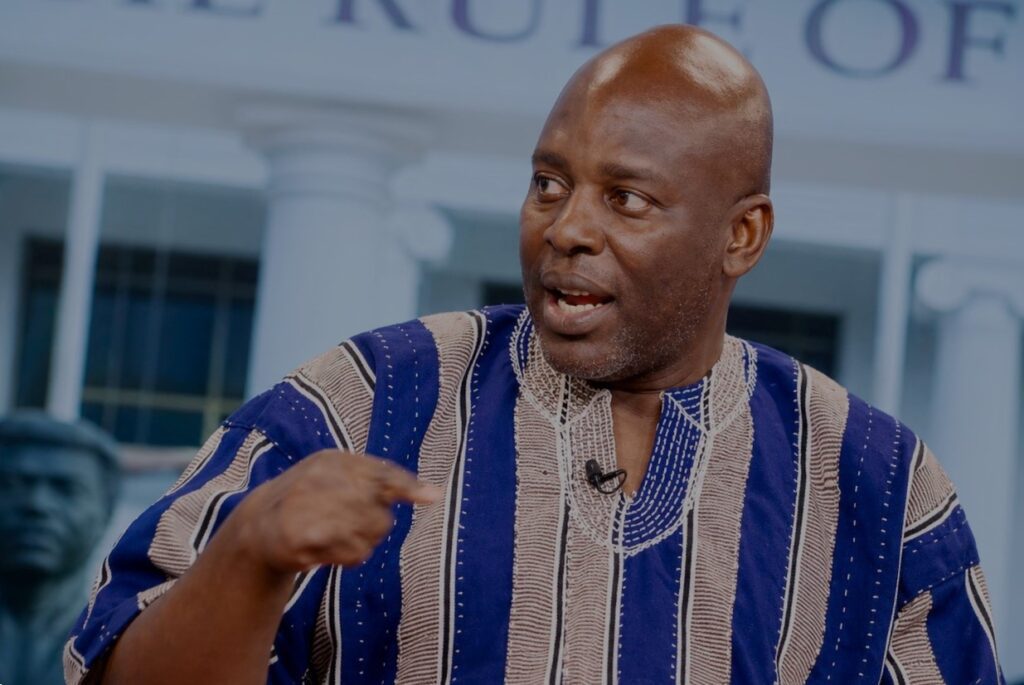
While acknowledging that such actions are sometimes necessary, he argued that they are insufficient on their own. The absence of consistent accountability during a government’s tenure creates gaps that can be exploited.
He added that instances of in office accountability do occur, but they are not frequent or sustained enough to form the backbone of the country’s anti corruption strategy.
The Case for Regime Accountability
Dr Osae-Kwapong advocated for a system where accountability is embedded within governance processes and enforced continuously, rather than being deferred until after elections.
He described regime accountability as the ability of institutions to investigate and act against wrongdoing in real time, regardless of political considerations. For him, this approach represents the missing link in Ghana’s anti corruption architecture.
“That is the best practice that is still missing,” he stated, emphasizing the need for a system that operates consistently and independently of political cycles. Such a model, he argued, would strengthen deterrence and reinforce public confidence in state institutions.
A key area of concern highlighted by Dr Osae-Kwapong is the effectiveness of existing oversight systems, particularly asset declaration regimes. He pointed to practices in other countries where public officials are required to regularly disclose detailed financial information, including assets, liabilities, and income sources.
These disclosures are not merely filed but actively reviewed by oversight bodies. In one example from his experience working with public institutions in the United States, annual declarations are scrutinized to identify discrepancies.

If a sudden increase in income is detected, the individual is required to provide a clear explanation. “These are the things that set other democracies apart,” he explained, noting that such systems ensure transparency and accountability.
Gaps in Ghana’s Current System
By contrast, he expressed concern about the limitations of Ghana’s asset declaration framework. According to him, while officials are required to submit declarations, the process lacks effective verification.
He noted that the Auditor-General, who receives these submissions, is not empowered to routinely open and examine them unless a specific legal issue arises. This, he suggested, creates a loophole that undermines the purpose of the system.
“What if someone submits an empty sheet in a sealed envelope?” he questioned, highlighting the risk of non-compliance going undetected. For Dr Osae-Kwapong, addressing such gaps is critical to strengthening the country’s accountability mechanisms.
Another challenge he identified is the practice of discontinuing cases following changes in government, often through legal mechanisms such as nolle prosequi.
He warned that this pattern risks eroding public trust and creating perceptions of selective justice. “And then a new regime comes and sets people free,” he said, noting that such actions can undermine legitimate efforts to enforce accountability.
He argued that a shift toward regime accountability would reduce the likelihood of such outcomes by ensuring that cases are pursued based on merit rather than political considerations.
A Call for Structural Change
Dr Osae-Kwapong concluded that Ghana’s anti-corruption efforts require a deliberate shift in both mindset and institutional design.
He stressed that building a system of regime accountability will require strengthening the independence of enforcement bodies, improving oversight mechanisms, and ensuring consistent application of the law.
Ultimately, he believes that the credibility of Ghana’s governance system depends on its ability to hold individuals accountable at all times, not just after political transitions.
The challenge, he noted, is not the absence of rules, but the need to enforce them consistently and without compromise.
READ ALSO: Hantavirus Outbreak on Atlantic Cruise Sparks Urgent Global Response