A suspected hantavirus outbreak aboard a transatlantic cruise ship has left three people dead and several others ill, prompting a coordinated international health response as authorities work to contain the situation and evacuate affected passengers.
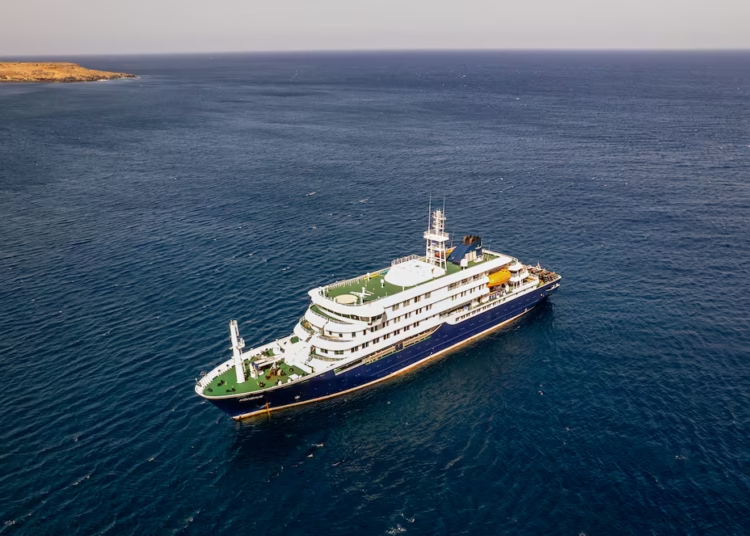
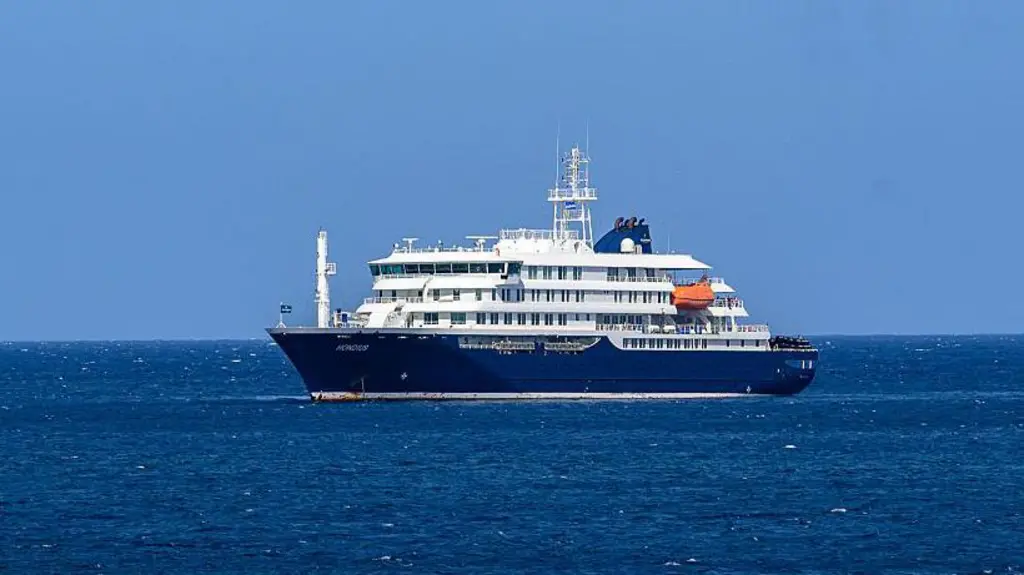
The outbreak was reported on the MV Hondius, a Dutch-flagged vessel operated by Oceanwide Expeditions, which had been sailing from South America to West Africa.
According to the World Health Organisation and South Africa’s Department of Health, at least one confirmed case of hantavirus has been identified, while investigations are continuing to determine the scale and source of the outbreak. Three people have died so far, and three others have required medical attention, with one patient currently in intensive care in Johannesburg.
The ship, which departed from Ushuaia in Argentina, was carrying around 150 tourists on an expedition that included stops in Antarctica, the Falkland Islands and remote South Atlantic locations before heading toward Cape Verde and onward to Spain’s Canary Islands. The vessel, designed to accommodate about 170 passengers along with crew and guides, was reported docked near Praia as authorities assessed containment measures.
According to Health officials, the first victim, a 70-year-old passenger, died on board the ship. His body was later removed at Saint Helena, a British territory in the South Atlantic. His wife subsequently fell ill and collapsed while attempting to travel onward from South Africa, where she later died in hospital. A third patient, identified as a British national, developed symptoms after the ship left Saint Helena and was later transferred from Ascension Island to South Africa, where he remains in critical condition.
According to the WHO,“detailed investigations are ongoing, including further laboratory testing, and epidemiological investigations.”
“Medical care and support are being provided to passengers and crew. Sequencing of the virus is also ongoing. Hantavirus infections are typically linked to environmental exposure (exposure to infected rodents’ urine or faeces). While rare, hantavirus may spread between people, and can lead to severe respiratory illness and requires careful patient monitoring, support and response.”
World Health Organisation
They added that, “WHO is facilitating coordination between member states and the ship’s operators for medical evacuation of two symptomatic passengers, as well as full public health risk assessment and support to the remaining passengers on board.”
Oceanwide Expeditions has also indicated that Dutch authorities are leading plans to repatriate two symptomatic individuals, as well as return the body of one deceased passenger.
Larry Gostin, Director of the WHO Centre on global health law, said he’s “very worried” about the outbreak.
Moreover, UK’s Foreign Office has also reacted to the reports of the suspected hantavirus outbreak aboard the MS Hondius cruise ship, stating, “We are closely monitoring reports of a potential hantavirus outbreak on the cruise ship Hondius and stand ready to support British nationals if needed. We are in touch with the cruise company and local authorities.”
Rare Virus Raises Concerns in Confined Maritime Setting
Hantavirus is a family of viruses found worldwide and is primarily transmitted through contact with rodents or their urine, droppings or saliva. Infection typically occurs when contaminated dust particles are inhaled, though it can also result from direct contact or bites. While rare, the disease can lead to severe illness, particularly affecting the lungs or kidneys, depending on the strain.
In the Americas, hantavirus is associated with Hantavirus Pulmonary Syndrome (HPS), which begins with flu-like symptoms such as fever, fatigue and muscle aches before rapidly progressing to severe respiratory distress. In Europe and Asia, related strains can cause Hemorrhagic Fever with Renal Syndrome (HFRS), which affects the kidneys and can lead to internal bleeding and organ failure.
There is no specific cure or targeted antiviral treatment for hantavirus infections. Medical care focuses on supportive treatment, including oxygen therapy and intensive monitoring. Early diagnosis significantly improves survival chances, but severe cases can carry mortality rates of up to 30–40 per cent.
Human-to-human transmission is extremely rare and has only been documented in limited circumstances involving specific strains. However, health experts note that the conditions aboard a cruise ship where passengers share confined spaces over extended periods can complicate outbreak management and heighten concern even for diseases not typically spread between people.
Cruise ships are particularly vulnerable to disease outbreaks due to their structure and operating conditions. Large numbers of passengers and crew live in proximity, sharing dining areas, recreational spaces and ventilation systems. While vessels like the MV Hondius carry medical staff, they are not equipped to handle severe or complex outbreaks, often requiring emergency evacuations to shore-based hospitals.
Past incidents have shown how quickly illnesses can spread at sea. Norovirus, for example, is responsible for the vast majority of cruise ship outbreaks and has infected hundreds of passengers in previous voyages.
Health officials stress that the current outbreak remains limited and that the overall risk to the wider public is low. However, this has raised questions about onboard safety protocols, monitoring systems, and preparedness to handle rare infectious diseases in remote maritime settings.
READ ALSO: Gold Off-take Discounts Slashed to 1% Under DGPP to Boost Returns – BoG Head