United Nations High Commissioner for Human Rights, Volker Türk, has warned countries against continuing the involuntary return of Afghan refugees and asylum-seekers, noting that such actions expose vulnerable people to serious human rights risks and may violate international law.
In a statement issued by the Office of the High Commissioner for Human Rights, Türk expressed concern over the growing number of Afghans being deported from host countries despite the worsening human rights and humanitarian situation inside Afghanistan.
“Afghan women, children, and men continue to be pushed out of countries where they had sought safety, forcing them to return to Afghanistan against their will and exposing them to grave risk.”
According to figures from the UN Refugee Agency, UNHCR, nearly 270,000 Afghans have been deported to Afghanistan since the beginning of the year, primarily from neighbouring Iran and Pakistan. Smaller numbers have also been returned from Türkiye and Tajikistan.
The latest deportations follow a much larger wave of returns recorded last year, when more than 1.2 million Afghans were deported from Iran and another 150,000 from Pakistan.
Human Rights Officials fear that the continued trend is placing increasing pressure on a country already struggling with insecurity, economic hardship and a deteriorating humanitarian situation.
Concerns about the safety of returnees have been reinforced by findings from a joint report published last year by the United Nations Assistance Mission in Afghanistan (UNAMA) and the Office of the UN High Commissioner for Human Rights (OHCHR).
The report, titled “No Safe Haven,” documented numerous cases in which Afghans who were forcibly returned experienced serious human rights violations after their arrival.
According to the report, returnees faced arbitrary arrest, detention, torture, and other forms of ill-treatment at the hands of Afghanistan’s de facto authorities.
The findings also raised alarm among international rights organisations and strengthened calls for governments to halt forced returns.
Afghans Face Grave Risks as Deportations Increase
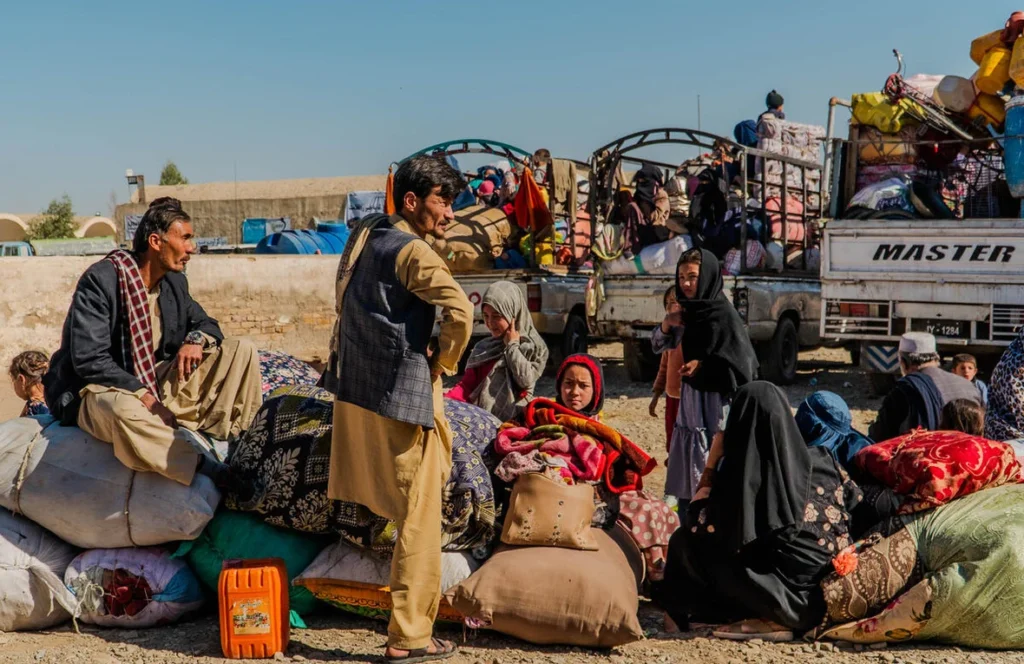
Particular concern remains for groups considered especially vulnerable. These include women and girls, former government officials and members of the security forces, journalists, civil society activists and members of the LGBTIQ+ community.
Human Rights Officials highlighted that many individuals within these categories continue to face a heightened risk of reprisals, discrimination and abuse.
“Returning individuals at serious risk of human rights violations involuntarily to Afghanistan runs contrary to the core international law principle of non-refoulement.
“I urge States to abide by their international legal obligations and protect Afghans by not taking any action that exposes them to irreparable harm upon return.”
Volker Türk
The warning comes at a time when several European Union member states are discussing a more coordinated approach to returning Afghan nationals whose asylum applications have been rejected. Reports that some European countries are resuming or considering deportations have prompted fresh concern from rights advocates and UN officials.
Türk also expressed unease over proposed new European Union rules on returns, which are currently under consideration.
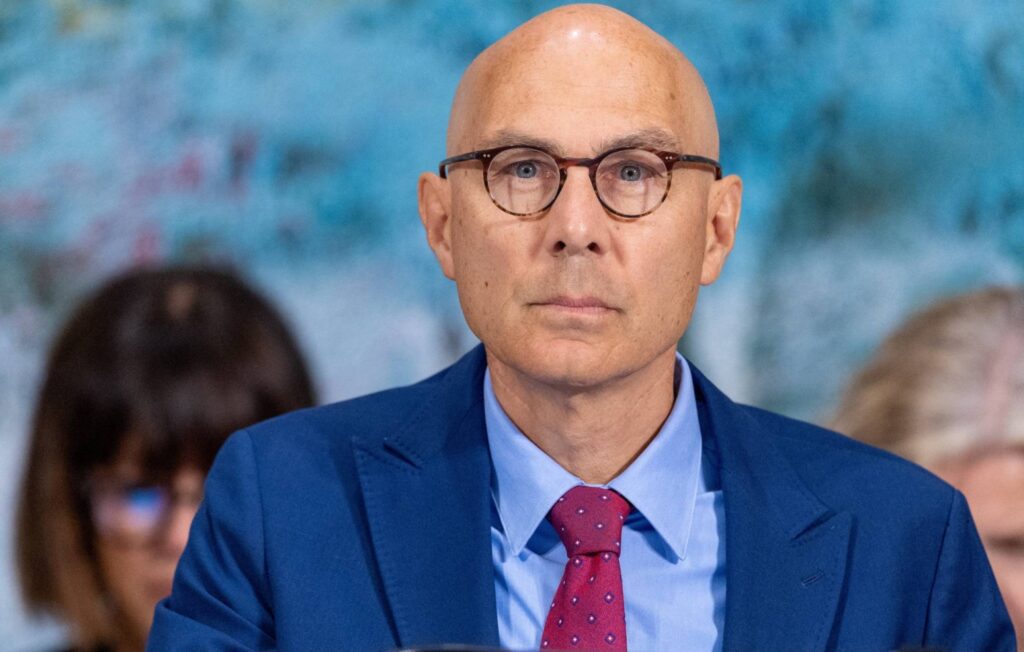
He warned that the measures could weaken existing human rights protections and increase the likelihood that vulnerable individuals may be returned to dangerous situations.
“I strongly caution against all involuntary returns to Afghanistan in the absence of individualized risk assessments, which are required by and must be carried out in accordance with international human rights and refugee law.”
Volker Türk
Beyond concerns over human rights, Afghanistan continues to face severe humanitarian and security challenges. Years of economic instability, limited access to basic services and restrictions affecting large sections of the population have left millions dependent on humanitarian assistance.
Security conditions have also deteriorated in recent months. The country has experienced rising cross-border tensions and insecurity, particularly since October 2025.
According to UN officials, the final quarter of last year recorded the highest number of civilian casualties documented since the Taliban returned to power, largely due to escalating hostilities between Afghanistan and Pakistan.
Against this backdrop, the UN human rights chief warned that forced returns could have devastating consequences for many Afghans who fled persecution, conflict or insecurity in search of protection abroad.
As governments continue to debate migration and asylum policies, the United Nations is urging states to uphold international refugee and human rights obligations, conduct individual risk assessments and ensure that no Afghan is returned to circumstances that could place their life, safety or fundamental rights at risk.
READ ALSO: Mahama’s Industrial Transformation Takes Center Stage at Ghana-China Investment Forum