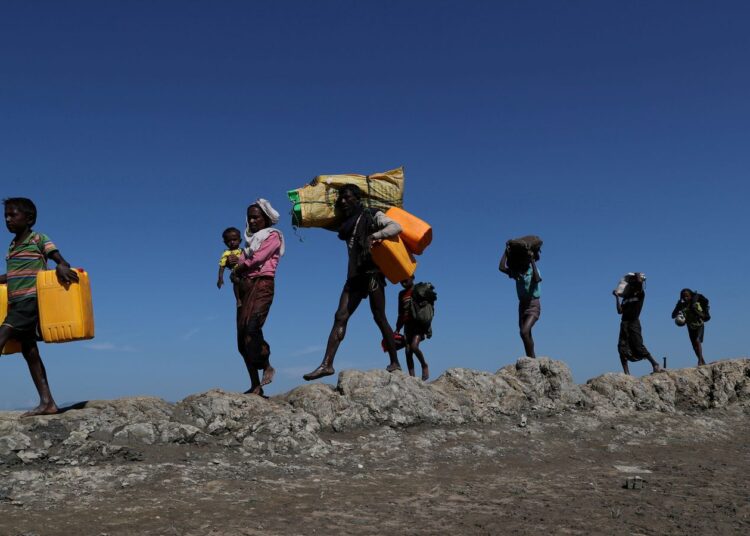
The global refugee population has declined slightly for the first time in years, driven largely by the return of millions of displaced people to countries including Afghanistan, Syria and Sudan.
Yet while the figures may suggest a measure of progress, the United Nations Refugee Agency (UNHCR) has warned that many of those returning home are doing so under difficult and often dangerous circumstances, raising concerns about the sustainability of such movements.
New data released by the UN Refugee Agency shows that there were 41.6 million refugees worldwide at the end of 2025, alongside 9 million asylum-seekers awaiting decisions on their claims. A further 68.7 million people remained displaced within their own countries because of conflict and violence.
Together, the figures illustrate the scale of a global displacement crisis that continues to affect millions despite a modest decline in overall refugee numbers.
According to the report, one in every 70 people on Earth or 1.4% of the global population is now forcibly displaced.
UNHCR indicated that, the number of refugees worldwide fell by 3% compared with the end of 2024, reflecting a significant increase in returns to countries emerging from conflict or experiencing changes in migration policies.
At the same time, the number of internally displaced people (IDPs) decreased by 7%, largely because of returns in the Democratic Republic of the Congo, Sudan and Syria.
However, humanitarian officials caution that the apparent improvement masks deeper challenges. Many of the people returning to their communities are finding damaged infrastructure, collapsed public services and limited economic opportunities, conditions that threaten long-term stability and could trigger future displacement.
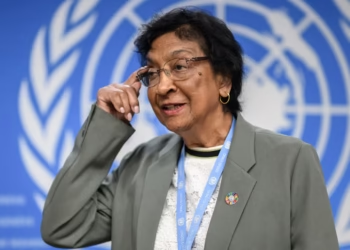
UN High Commissioner for Refugees, Barham Salih, stated that, “for too many refugees, displacement starts as a lifeline but lasts a lifetime.”
“Humanitarian aid saves lives, but it is not the end point and does not enable refugees to become active agents in control of their futures.
“We need a paradigm shift that creates a new sense of hope and opportunity for people fleeing war and persecution.”
Barham Salih
Furthermore,the report highlights a growing shift in international thinking about displacement. Rather than focusing solely on emergency humanitarian assistance, governments and aid agencies are increasingly emphasizing self-reliance, economic inclusion and long-term solutions that allow refugees to rebuild their lives.
This approach comes as prolonged displacement becomes a defining feature of the global refugee landscape. Millions of refugees have spent years, and in some cases decades, away from their homes, often relying heavily on humanitarian support while waiting for conditions to improve in their countries of origin.
The latest figures show that most displaced people continue to remain close to home. About 65% of refugees were hosted by neighbouring countries at the end of 2025, while low- and middle-income countries continued to shoulder the greatest burden, hosting 68% of the world’s refugees and other people in need of international protection.
Countries hosting the largest refugee populations included Colombia, Germany, Türkiye, Uganda, Iran, Chad and Pakistan. The concentration of refugees in developing countries continues to place pressure on public services, labour markets and infrastructure, even as host governments strive to maintain support for vulnerable populations.
The report also emphasises how a few crises continue to dominate global patterns in displacement. Just six nations, Afghanistan, South Sudan, Sudan, Syria, Ukraine, and Venezuela account for 7 out of 10 refugees under the UN refugee agency’s mandate and other individuals in need of international protection.
Sudan Emerges as World’s Largest Displacement Crisis Despite Rising Returns
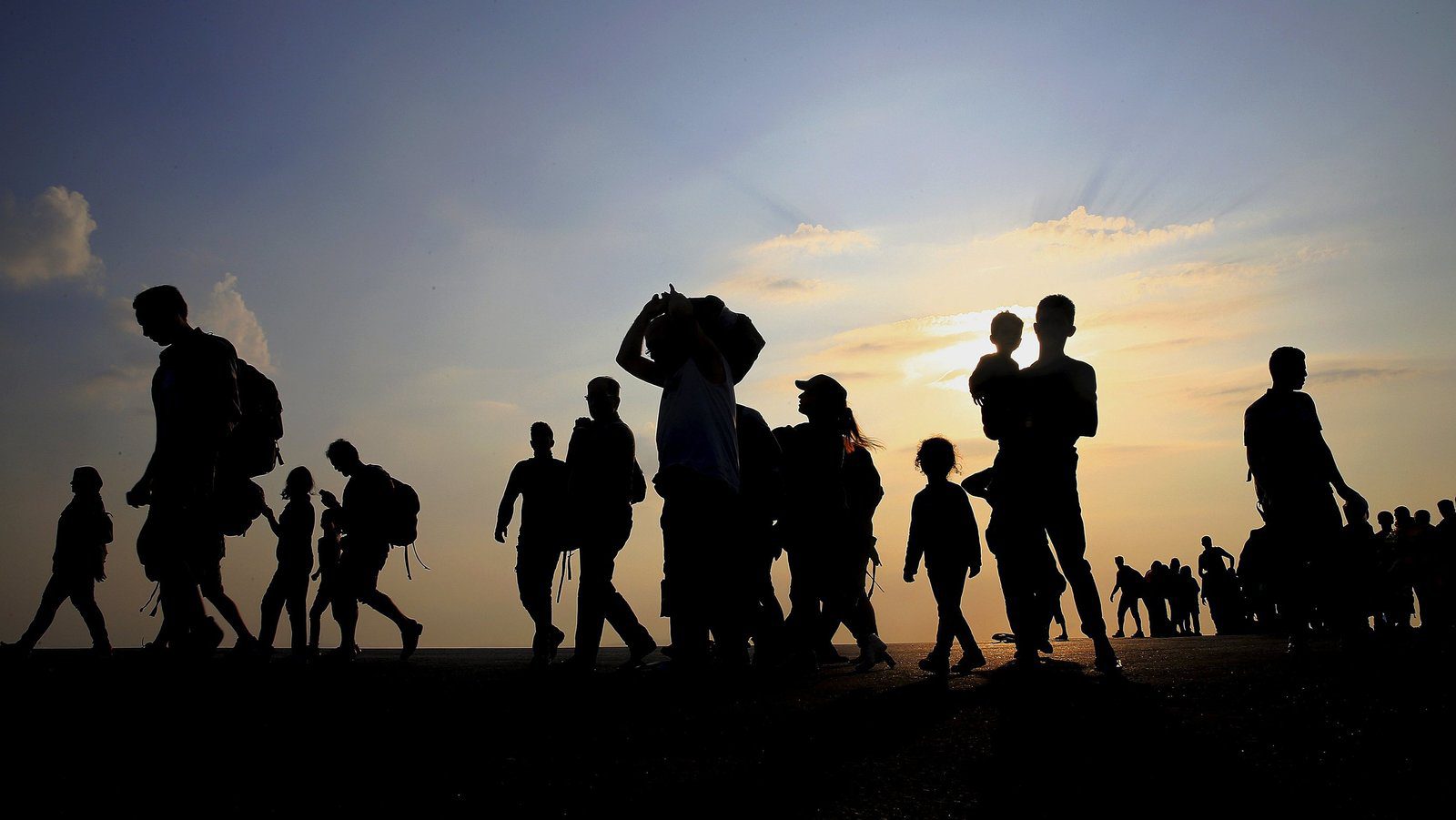
Among all displacement emergencies worldwide, Sudan continues to stand out as one of the most severe and rapidly evolving crises.
As the conflict in Sudan entered its fourth year in 2025, the number of Sudanese refugees reached 2.8 million, representing a 35 % increase compared with the previous year. At the same time, Sudan remained the world’s largest internal displacement crisis, with 9.1 million people displaced within the country.
The numbers highlight the catastrophic effects of a conflict that has displaced millions of people and put pressure on adjacent nations that are finding it difficult to accept newcomers.
While some internally displaced individuals and refugees from Sudan have started to return to places where conflict has stopped, their return has been hampered by widespread destruction and a lack of essential services.
Many villages still lack access to clean water, power, healthcare facilities, and schools. Returnees are encountering significant obstacles in their efforts to restore their lives due to damaged houses, inadequate infrastructure, and a lack of employment prospects.
Globally, 2025 saw a significant rise in return movements. An estimated 14.7 million people returned to their areas or countries of origin during the year, including 4.4 million refugees and 10.3 million internally displaced people. This represented a 49% increase compared with 2024 and marked one of the highest levels of refugee returns recorded since the UN refugee agency began collecting such data in 1965.
The vast majority of returns occurred in just a handful of countries. The Democratic Republic of the Congo recorded 3.6 million returns, followed by Sudan with 3.5 million, Syria with 3.3 million, Afghanistan with 2 million, Ukraine with more than 718,000 and Myanmar with over 415,000.
Despite these encouraging numbers, humanitarian agencies remain cautious.
READ ALSO: Infantino Defends US Visa Policies, WC Faces Scrutiny Over Travel Restrictions