Ghana’s anti-corruption architecture is once again under intense scrutiny as legal disputes over the Office of the Special Prosecutor’s authority continue to dominate national discourse.
The ongoing authorisation controversy has reignited calls for deeper structural reforms, with experts urging a constitutional solution to safeguard the independence and effectiveness of the institution.
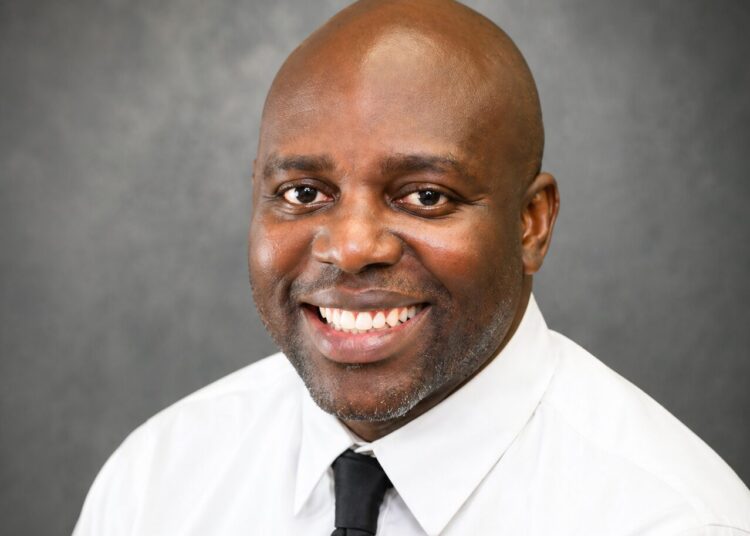
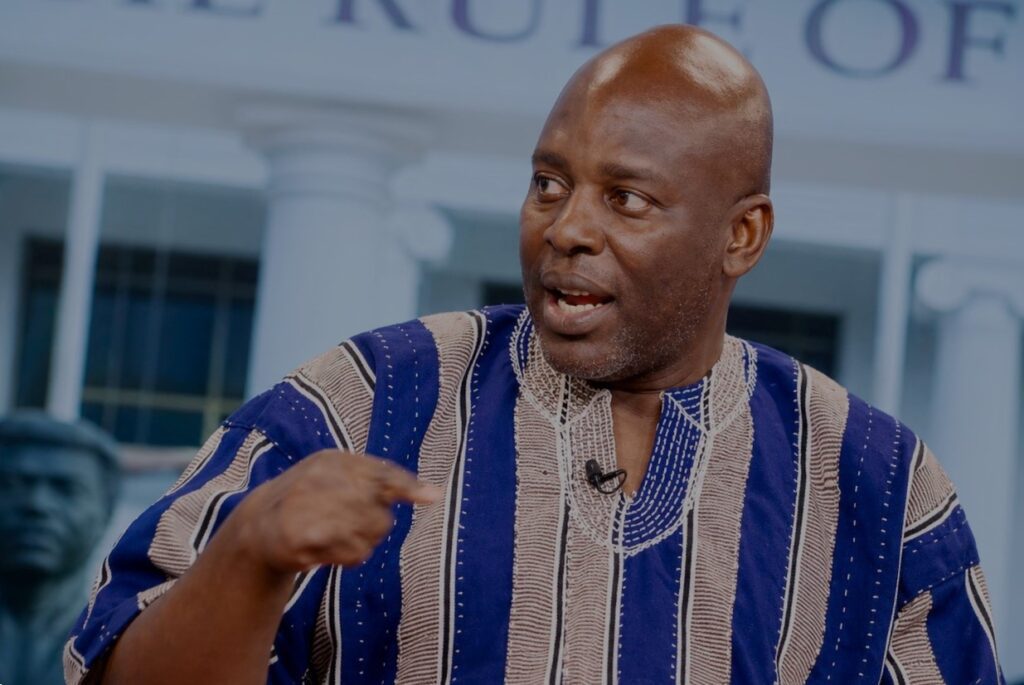
In an exclusive interview with The Vaultz News, Dr John Osae-Kwapong, Democracy and Development Fellow at the Ghana Center for Democratic Development and Project Director at the Democracy Project, argued that the current challenges confronting the Office of the Special Prosecutor point to a fundamental gap in its legal foundation.
According to him, the recent High Court rulings questioning the prosecutorial authority of the OSP highlight the need for a more secure and clearly defined mandate. He maintained that the most effective way to resolve these recurring disputes is to embed the institution directly within Ghana’s Constitution.
Constitutional Backing as a Lasting Solution
Dr Osae-Kwapong was unequivocal in his position that constitutional grounding is essential to ending the persistent authorisation debate. He explained that the current legal framework leaves room for ambiguity, particularly regarding the relationship between the OSP and the Attorney General.

He noted that under the existing arrangement, questions continue to arise about whether the OSP must seek approval from the Attorney General before initiating prosecutions. This, he suggested, undermines the independence of the office and creates unnecessary legal hurdles.
He stressed that the issue goes beyond administrative procedures and speaks to the broader question of institutional autonomy. In his view, relying on the Attorney General for prosecutorial clearance is problematic because the office may be required to investigate actions within the same government structure.
“We have argued over and over again that an Attorney General lacks complete independence when it comes to fighting corruption within his or her own government.”
Dr. John Osae-Kwapong, Democracy and Development Fellow, CDD-Ghana, and Project Director, the Democracy Project
To address this, he proposed that Article 88 subsection four of the Constitution be amended to clearly delineate the prosecutorial powers of the Attorney General and the Office of the Special Prosecutor. Such a reform, he argued, would eliminate overlaps and provide clarity on jurisdiction.
For Dr Osae-Kwapong, embedding the OSP in the Constitution is not just a legal adjustment but a necessary step to ensure long-term stability. “I think it is the only way that gives the Office of the Special Prosecutor the independence that it needs and the more solid, secure grounding it needs,” he said.
Avoiding Institutional Overlap in Reform Proposals
The debate over strengthening the OSP has also been influenced by proposals from the Constitutional Review Committee, chaired by Professor H Kwasi Prempeh. Among its recommendations is the creation of a standalone Ethics and Anti-Corruption Commission, alongside restructuring existing institutions such as CHRAJ.
While acknowledging the potential value of such proposals, Dr Osae Kwapong expressed caution about introducing additional institutions into an already complex accountability landscape.
He argued that Ghana does not necessarily need another layer of bureaucracy to fight corruption. Instead, the focus should be on strengthening and refining existing structures to function more effectively.
“In my own opinion, we do not necessarily need another layer of institution to fight corruption,” he stated, noting that while a new commission could bring some benefits, it risks creating duplication and inefficiencies if not carefully designed.
Enforcement Gap Remains the Real Challenge
Drawing from his recent research into public ethics in Ghana, Dr Osae Kwapong pointed to a different underlying problem that often goes overlooked.
He explained that Ghana already has an extensive framework of ethical guidelines and codes of conduct across various sectors, including the civil service, public service, local government, and professional bodies. These frameworks outline acceptable behaviour and provide clear sanctions for violations.
He described his findings as revealing a system that is rich in rules but weak in enforcement. According to him, institutions such as the Ghana Health Service and local government structures have detailed codes of ethics, supported by internal mechanisms for investigating and sanctioning misconduct.
“If I tell you what I have been able to discover about the landscape of our code of ethics, no one would ever call for another institution or a new set of laws”.
Dr. John Osae-Kwapong, Democracy and Development Fellow, CDD-Ghana, and Project Director, the Democracy Project
Despite this, he noted that these mechanisms are rarely applied with the consistency and rigor required to ensure accountability. This gap, he argued, is the primary reason why corruption persists despite the presence of multiple regulatory frameworks.
“What is missing is how we are enforcing these things,” he added, emphasising that enforcement should be treated as a central pillar of reform efforts.
Rethinking the Approach to Anti Corruption Reform
Dr Osae Kwapong’s analysis suggests that Ghana’s anti corruption strategy may need to shift from institution building to institutional strengthening.
He cautioned that adding new bodies without addressing enforcement weaknesses could lead to fragmentation and reduced effectiveness. Instead, he advocated for a more focused approach that leverages existing systems while enhancing their capacity to deliver results.
He highlighted the importance of using established codes of conduct as active accountability tools rather than symbolic frameworks. In his view, consistent enforcement would not only deter misconduct but also restore public confidence in governance institutions.
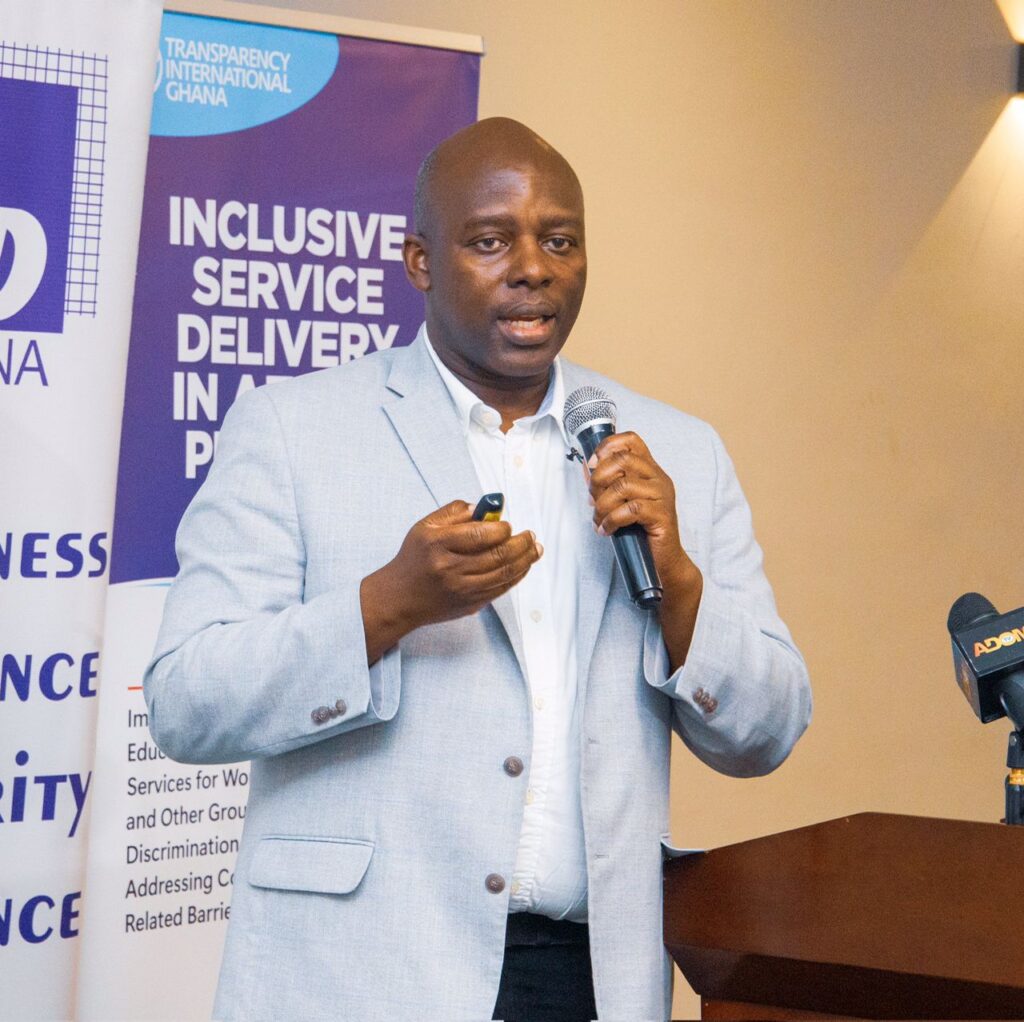
As the authorisation controversy continues to unfold, the call for constitutional reform is gaining traction among policy experts and civil society actors. Dr Osae-Kwapong’s position adds to the growing consensus that structural clarity is essential for sustaining Ghana’s anti-corruption efforts.
He concluded that without a clear and independent mandate, the Office of the Special Prosecutor will continue to face operational challenges that hinder its effectiveness.
At the same time, he stressed that legal reforms must be complemented by a renewed commitment to enforcement across all levels of public administration.
The future of Ghana’s corruption fight, he suggested, will depend not only on the laws that are enacted but also on the willingness of institutions to apply them consistently and without compromise.
READ ALSO: Search Underway After Two U.S. Soldiers Go Missing in Morocco