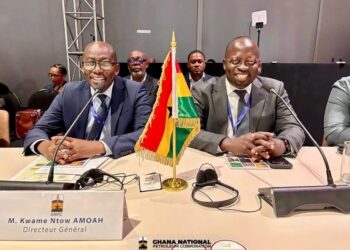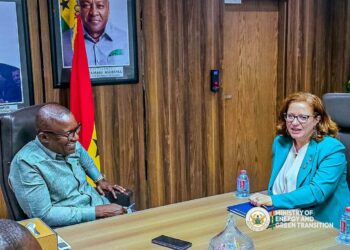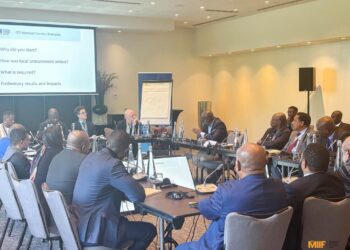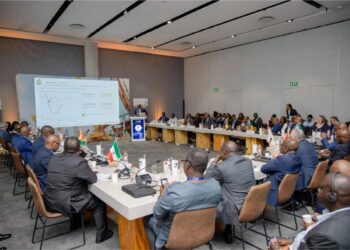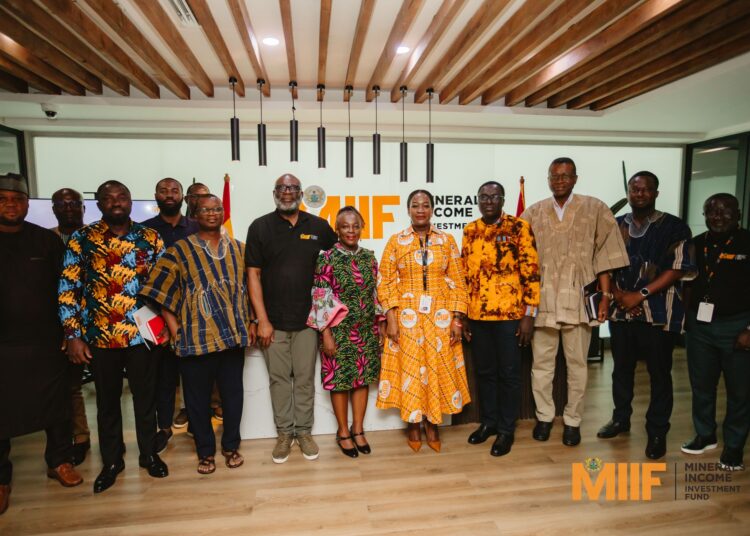
Minerals Income Investment Fund (MIIF), in collaboration with key state institutions within Ghana’s extractive sector, has revived an inter-agency committee aimed at strengthening the monitoring, verification, and collection of mineral royalties and other mining-related revenues due the state.
This strategic move seeks to synchronize the efforts of multiple regulatory and enforcement bodies to ensure that the nation’s mineral wealth is accurately accounted for and fully collected.
The committee, chaired by Dr. Martin Yamborigya, Acting Commissioner of the Domestic Tax Revenue Division of the Ghana Revenue Authority (GRA), represents a unified front against the systemic inefficiencies that have historically plagued revenue mobilization in the mining industry.
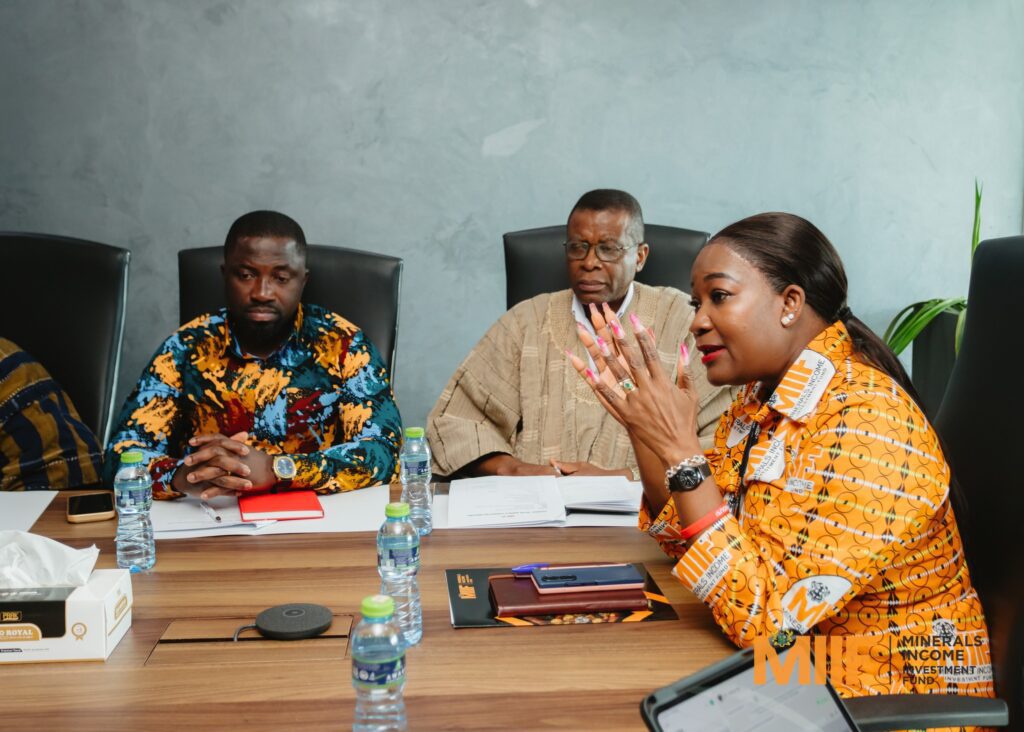
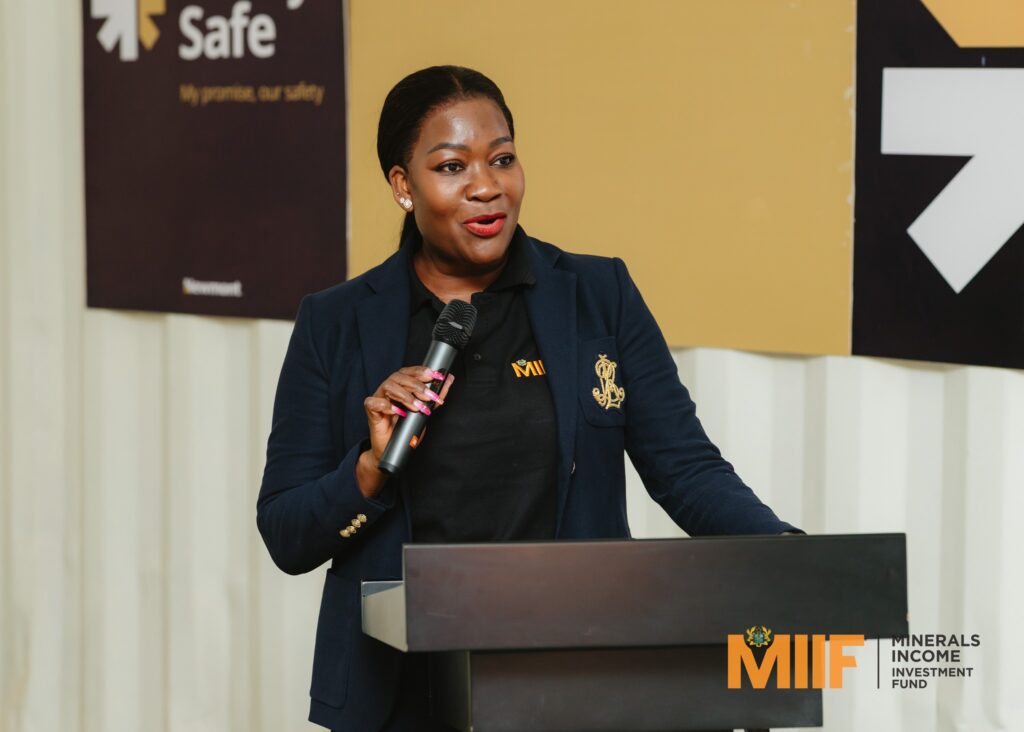
“In her remarks, the CEO of Minerals Income Investment Fund (MIIF), Mrs. Nelson, stated that reviving the committee had become necessary following a period of inactivity during recent institutional transitions, which created gaps in coordination, monitoring and enforcement. She noted that the renewed platform would help address concerns relating to undeclared production, royalty leakages and weak regulatory oversight, particularly within segments of the small-scale mining sector.”
Minerals Income Investment Fund (MIIF)
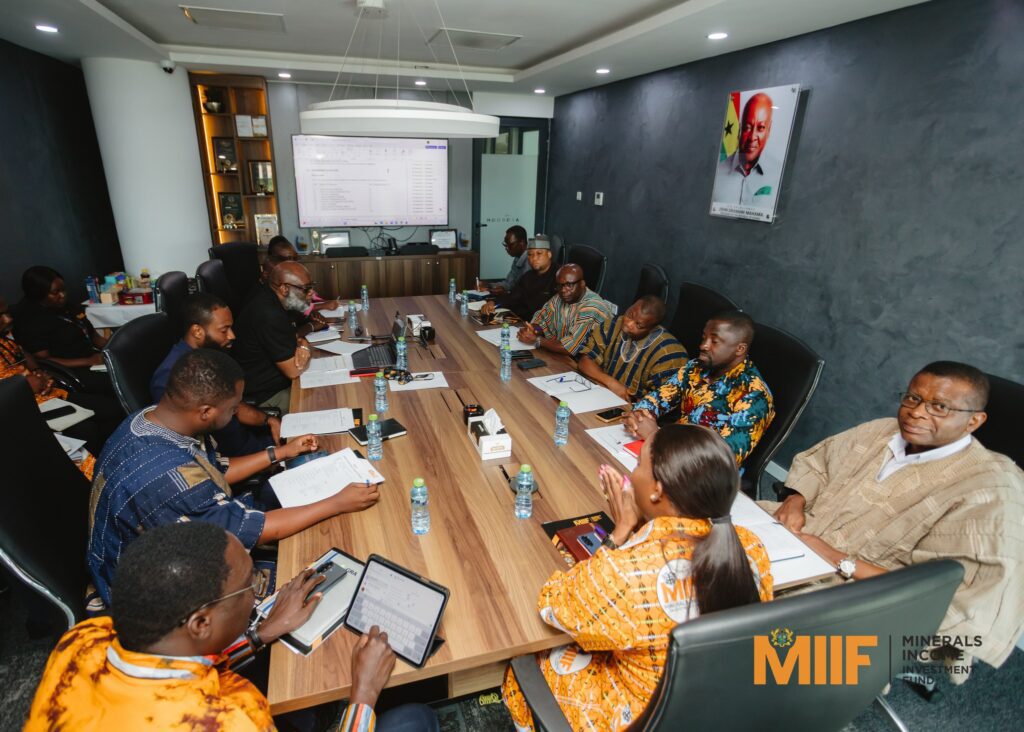
Reconstituted during an inaugural meeting at the Minerals Income Investment Fund (MIIF) boardroom in Accra, the committee brings together a heavyweight lineup including the GRA, the Minerals Commission, the Ghana Standards Authority (GSA), the Minerals Development Fund (MDF), and the Economic and Organised Crime Office (EOCO).
Other critical stakeholders involved are GoldBod, the Environmental Protection Authority (EPA), and the Ministry of Lands and Natural Resources.
By restoring coordination among these entities, the committee intends to close the gaps in license monitoring, production declarations, and regulatory compliance that emerged during recent institutional transitions.
The focus is not merely on administrative oversight but on active enforcement to protect the national interest.
Strengthening Oversight Through Institutional Synergy
The revival of this committee is a direct response to what MIIF CEO, Mrs. Nelson, described as “institutional transitions” that led to a lapse in rigorous monitoring.
In the past, the lack of real-time data sharing between the Minerals Commission and the GRA often resulted in discrepancies between reported production volumes and actual tax obligations. The committee’s mandate now includes the development of a comprehensive database of mining operators and mineral rights holders.
This digital repository will serve as a single source of truth, allowing agencies to track production levels and royalty obligations with unprecedented precision.
By integrating the technical expertise of the GSA in measuring production with the investigative power of EOCO, the state is positioning itself to detect and prosecute revenue evasion more effectively.
Enhancing Revenue via the Sliding Scale Framework
A significant pillar of this renewed effort is the transition from a fixed royalty regime to a sliding scale system. Mrs. Nelson noted that this reform, coupled with currently robust global gold prices, provides a fertile ground for increasing the state’s fiscal take.
Under the new framework, royalty rates are designed to escalate in tandem with rising market prices, ensuring that Ghana captures a larger share of the windfall during “bullish” market cycles.
However, the success of this system hinges entirely on accurate production verification. Without the committee’s rigorous oversight to prevent “undeclared production,” the potential gains from the sliding scale could be lost to the shadows of the informal and small-scale sectors.
Bridging the Gap in Non-Gold Mineral Collection
While gold remains the primary contributor to Ghana’s mineral revenue, Dr. Yamborigya highlighted that domestic revenue mobilization challenges persist in often-overlooked areas such as quarrying, salt production, and limestone.
These sub-sectors have traditionally received limited monitoring attention, leading to significant revenue leakages. The committee’s operational procedures now prioritize field inspections and consistent reporting on these “non-traditional” minerals.
To ensure the sustainability of these efforts, members have proposed cost-sharing mechanisms to fund regular monitoring exercises and field audits.
This holistic approach ensures that every eligible mineral operation, regardless of size or material, contributes its fair share to the national purse, ultimately enhancing Ghana’s ability to derive long-term value from its vast natural resources.