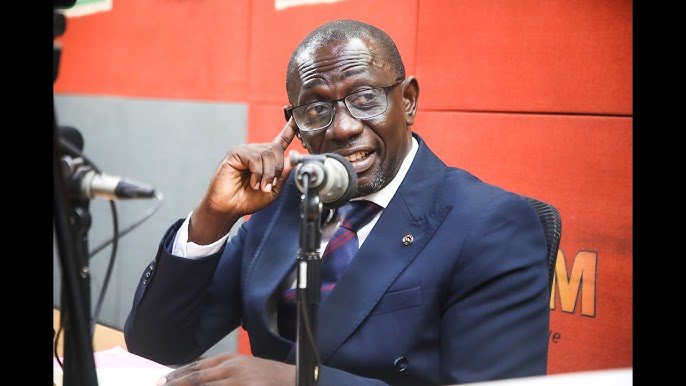
The Acting Commissioner of the Rent Control Department, Frederick Opoku, has launched a strong attack on the growing practice of pricing rental properties in foreign currencies, describing the trend as unlawful, economically damaging, and a direct challenge to financial discipline in Ghana.
Speaking on the state of Ghana’s rental market, Mr Opoku questioned why some landlords and property owners continue to advertise and demand rent payments in United States dollars despite the fact that the Ghana cedi remains the country’s only legal tender for domestic transactions.
He argued that the increasing visibility of dollar denominated rental listings reflects a broader breakdown in regulatory enforcement and a worrying culture of impunity within sections of the property market.
“Do we spend dollars in Ghana? No. Therefore, that is where the lawlessness comes,” Mr Opoku stated, expressing concern over what he described as open disregard for the country’s financial regulations.
According to him, the situation has reached a point where some landlords publicly advertise properties worth millions of dollars without fear of legal consequences or regulatory intervention. “We are bold to come to television and say one million dollars, three million dollars and go with impunity,” he said.

Growing Concern Over Property Market Dollarisation
The use of foreign currencies in Ghana’s housing and rental sector has remained a longstanding concern for policymakers, financial regulators, and consumer advocates, particularly during periods of currency volatility and pressure on the cedi.
Authorities have repeatedly warned businesses, landlords, and service providers against quoting or demanding payment in foreign currencies for local transactions without express authorisation under Ghana’s financial regulations.
Mr Opoku said the continued use of dollar pricing in the property market not only undermines confidence in the local currency but also contributes to economic indiscipline and creates unnecessary barriers for ordinary citizens seeking accommodation.
He noted that when local transactions are increasingly benchmarked against foreign currencies, the burden often falls on tenants whose incomes remain largely denominated in cedis.
Analysts say such pricing practices can intensify affordability pressures, especially in urban centres where demand for housing continues to outpace supply.
Collaboration with Bank of Ghana
In response to the growing concern, Mr Opoku disclosed that the Rent Control Department has begun engaging the Financial Markets Department of the Bank of Ghana as part of efforts to strengthen enforcement and curb the spread of dollarisation in the real estate sector.
He acknowledged that while the central bank has previously issued directives prohibiting the pricing of goods and services in foreign currencies without approval, implementation and compliance monitoring remain significant challenges.
Mr Opoku said stronger collaboration between regulatory institutions is now necessary to ensure that property owners and developers comply with the law. He stressed that enforcement cannot remain selective if authorities are serious about protecting consumers and preserving confidence in Ghana’s monetary system.

The renewed collaboration comes at a time when financial regulators continue to monitor sectors where unofficial dollar pricing remains common, including real estate, hospitality, and luxury retail.
Affordability Crisis in Student and Urban Housing
Beyond the issue of currency abuse, Mr Opoku also raised concerns about the increasing cost of housing development in Ghana, particularly the growing number of expensive residential projects and student accommodation facilities that remain beyond the reach of average citizens.
He questioned whether developers are giving enough consideration to the economic realities of the people they intend to serve before investing in high cost construction projects.
According to him, the purpose of housing development should extend beyond profit generation and should instead reflect the social and economic needs of the communities where such projects are built.
Mr Opoku specifically questioned the logic behind the construction of luxury hostels and premium rental facilities targeted at students and young professionals whose income levels may not support such pricing structures.

He asked whether it was necessary for every housing project to be built at premium cost without assessing the affordability of the target market. He argued that responsible investment decisions should be guided by market realities, income levels, and long term sustainability rather than speculative returns.
Protecting Vulnerable Tenants
Mr Opoku warned that the continued construction of high cost accommodation, combined with aggressive rental pricing practices, often results in the exploitation of vulnerable groups, especially students and low income workers in major urban centres.
He said many tenants are forced to accept excessive rental charges because of limited alternatives, weak enforcement, and persistent housing shortages. According to him, developers must recognise that it is not compulsory to build luxury facilities if the market cannot sustain such costs.
Instead, he said, the sector should focus on responsible development models that promote fairness, accessibility, and long-term occupancy. His comments form part of broader efforts by the Rent Control Department to strengthen compliance with rent regulations, improve affordability, and curb practices that place undue financial pressure on tenants.

Push for Greater Accountability
As concerns over housing affordability and currency abuse continue to grow, industry observers believe the latest intervention by the Rent Control Department could reignite national conversations around regulatory accountability, consumer protection, and sustainable housing development in Ghana.
With rising urbanisation, persistent accommodation shortages, and ongoing economic adjustments, many believe stronger enforcement may be critical to restoring order and fairness within Ghana’s rental market.
For now, Mr Opoku’s message appears clear. Ghana’s housing market must operate within the law, respect the cedi, and place the needs of citizens at the centre of investment decisions.
READ ALSO: Over GH₵100M Oil Revenue Spent on Abandoned Projects – PIAC Laments