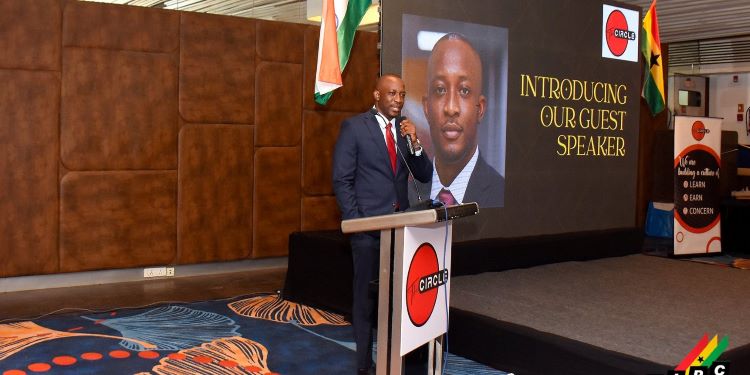
The Deputy Chief Executive Officer (DCEO) of the Ghana Investment Promotion Centre (GIPC), Mr. Abdul Razak Baba, has concluded a high-stakes industrial mission to Vadodara, India, marking a definitive shift in Ghana’s foreign direct investment (FDI) strategy.
According to the GIPC, the outbound engagement, organized in partnership with The Circle Group, was a targeted technological scouting mission to bridge the gap between India’s advanced manufacturing prowess and Ghana’s urgent industrialization needs, focusing on high-growth sectors such as electric vehicle (EV) retrofitting, pharmaceutical manufacturing, and liquefied natural gas (LNG) processing.
The GIPC signaled that Ghana is now entering a phase of technological leapfrogging. The mission served as a strategic platform to position the country not merely as a market for finished goods, but as a sophisticated industrial base capable of absorbing and scaling emerging Indian technologies for the wider African Continental Free Trade Area (AfCFTA).
“The engagement provided an opportunity to position Ghana as a preferred investment destination, while highlighting ongoing reforms, improvements in the business environment, and opportunities across key sectors of the economy – as the delegation toured selected manufacturing facilities”
Ghana Investment Promotion Centre
The choice of Vadodara – a critical engine room for India’s power and pharmaceutical sectors – underscored the GIPC’s intent to move beyond general investment promotion into specific industrial niches. The delegation engaged with industrial leaders, emphasizing Ghana’s stability and central location as an ideal entry point for Indian firms looking to localize production.
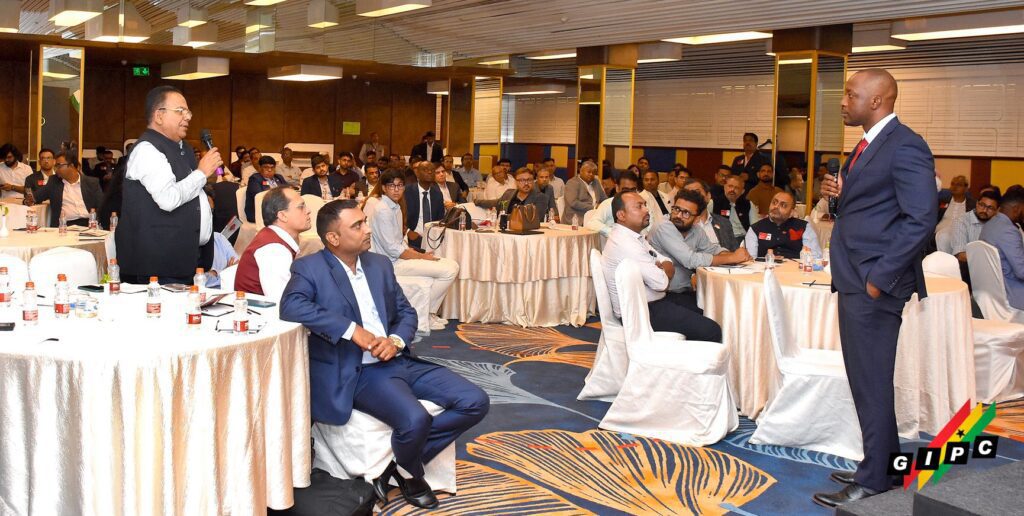
This proactive “active facilitation” model represented a pivot for the GIPC, which is increasingly acting as an industrial concierge, matching specific Ghanaian sectoral needs with the technical expertise of global partners.
A standout feature of the mission was the focus on the “green economy” and energy infrastructure, as the delegation’s tour of facilities specializing in EV retrofitting and charging infrastructure revealed a strategic alignment with Ghana’s 2026 energy transition goals.
As the global automotive industry shifts away from internal combustion engines, the GIPC is looking to anchor the domestic EV value chain by attracting firms that can provide the technical “know-how” for retrofitting existing fleets and building out a nationwide charging grid.
Mr. Razak Baba described this as a pragmatic approach to industrialization – rather than waiting for a domestic EV manufacturer to emerge from scratch, the government is seeking to import the technology needed to transform current infrastructure, thereby creating high-skilled jobs and reducing the nation’s carbon footprint.
Furthermore, the GIPC emphasised addressing the fundamental challenge of energy efficiency within Ghana’s industrial zones with LED lighting and power monitoring systems. High energy costs have been a challenge for the local industry, and Indian power-monitoring technology is expected to provide the data-driven edge needed to make Ghanaian products more competitive globally.
Pharmaceutical and Energy Sovereignty
The focus on pharmaceuticals during the Vadodara mission addressed a critical pillar of national security. In the wake of global supply chain disruptions, the GIPC prioritized the localization of drug manufacturing to ensure that Ghana is no longer vulnerable to external shocks in the healthcare sector.
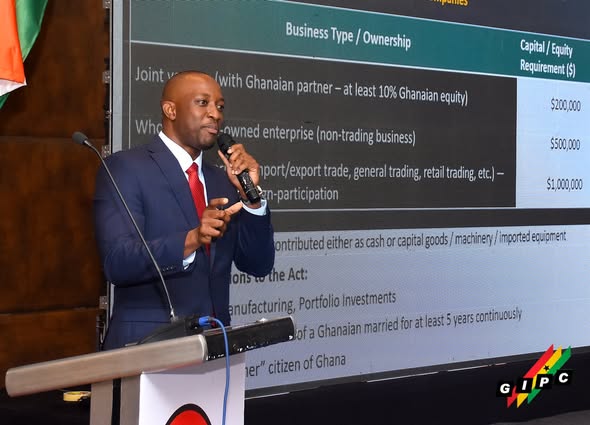
India’s pharmaceutical sector is a global titan, and the GIPC’s engagement with Vadodara-based drug manufacturers was to facilitate the transfer of intellectual property and manufacturing standards. The move is a non-negotiable component of the industrial reset, aimed at turning Ghana into a “regional hub for affordable, high-quality medicine.”
Simultaneously, the exploration of LNG processing technology marked how Ghana intends to manage its natural gas resources.
As the country seeks to stabilize its power sector, the ability to process and transport LNG efficiently is paramount, and Indian expertise in modular LNG processing and distribution offers a scalable solution for Ghana’s energy needs, particularly for industries located outside the main gas pipeline corridors.
The mission’s success was underpinned by the GIPC’s commitment to investor facilitation, a model that moves beyond the bureaucratic registration of businesses to active problem-solving. Mr. Abdul Razak Baba’s team demonstrated a “hands-on” approach to FDI by engaging in direct discussions with Indian firms already operating in Ghana, as well as those exploring entry.
This involved identifying the specific regulatory, logistical, and financial hurdles that prevent Indian capital from flowing into the Ghanaian manufacturing sector and providing the state-level support to clear them.
This strategy is particularly relevant in the 2026 economic landscape, where global competition for FDI is fierce. The GIPC’s presence in Vadodara sent a message that Ghana is willing to meet investors where they are, offering a stable, democratic, and reform-oriented environment.
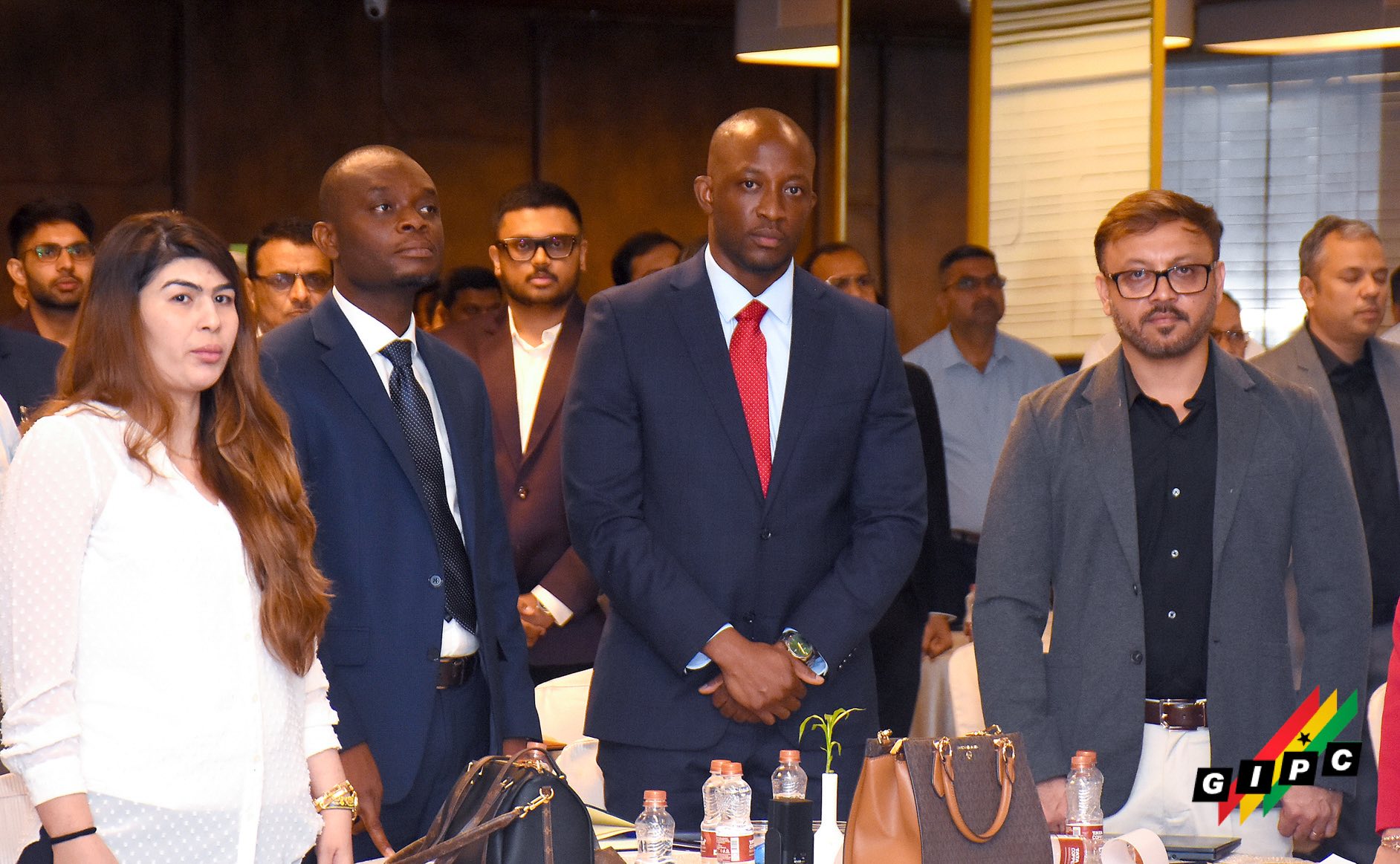
“Mr Abdul Razak Baba’s participation in this high-level engagement focused on strengthening trade and investment partnerships between Africa and the Indian business community, reinforcing the commitment to supporting long-term strategic partnerships”
Ghana Investment Promotion Centre
READ ALSO: Volta Poll Bombshell: NDC Falls from 46% to 42%, NPP Fails to Capitalize