

The Government of Ghana has set an ambitious target to achieve 70 per cent nationwide fifth-generation mobile network population coverage by March 2027 as part of a broader strategy to position the country as a leader in digital innovation across Africa.
The target forms a central part of government’s long term digital transformation agenda, which is anchored on five strategic pillars including legal reforms, artificial intelligence, digital infrastructure, skills development, and spectrum management.
The initiative is expected to significantly expand access to high-speed connectivity, drive innovation, and strengthen digital inclusion across both urban and rural communities.
The announcement was made by Hon. Samuel Nartey George, Minister of Communications, Digital Technology and Innovations, during a high-level stakeholder workshop on spectrum management held in Accra.
The event brought together regulators, telecommunications operators, infrastructure providers, global industry representatives, and policymakers to discuss practical strategies for enhancing spectrum management and accelerating Ghana’s transition toward next-generation digital technologies.
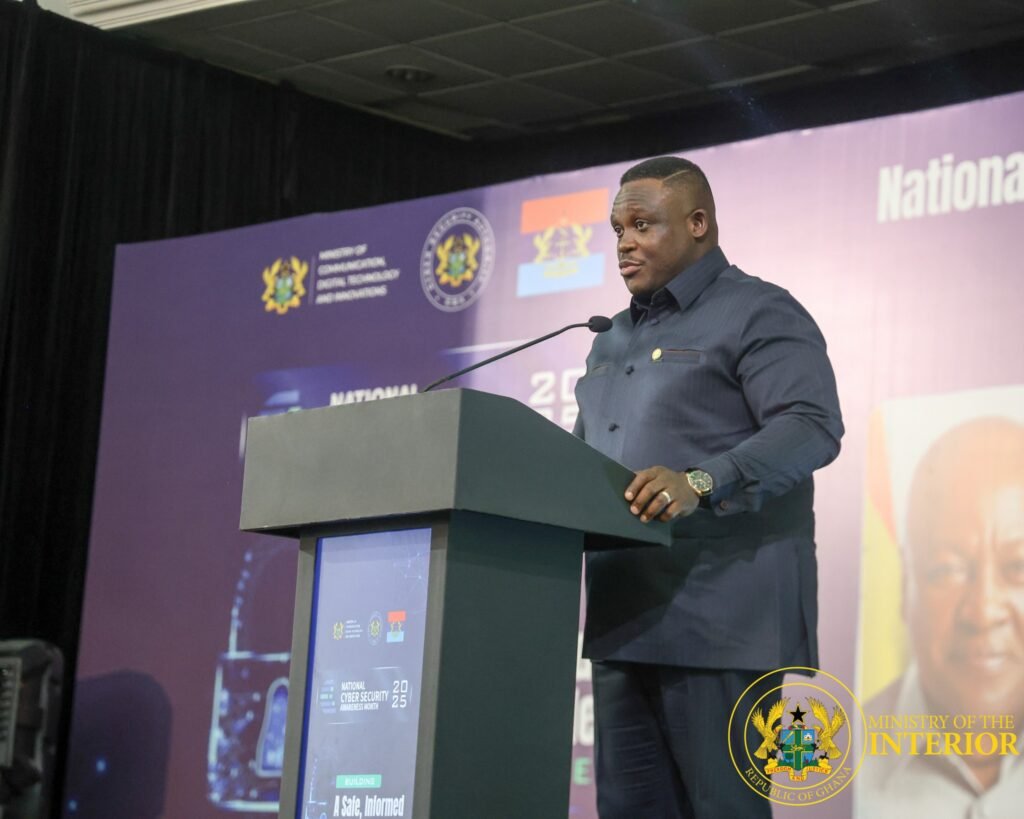
“70 Per Cent Coverage for Ghana at 70”
Speaking at the workshop, Hon. Sam George described the government’s vision as both symbolic and strategic, noting that the target aligns with Ghana’s 70th Independence Anniversary in March 2027.
He explained that the initiative, branded “70 per cent coverage for Ghana at 70,” demonstrates the government’s determination to build a digitally connected economy capable of competing on the global stage.
He acknowledged that the target was ambitious, but stressed that it remained achievable if all stakeholders worked together with clear purpose and commitment.
According to him, success would depend heavily on coordinated collaboration between government institutions, regulators, mobile network operators, and infrastructure providers.
Hon. Sam George said increased private sector investment, efficient spectrum allocation, and clear regulatory frameworks would be essential in ensuring the timely deployment of the next generation technology across the country.
He added that government remained committed to creating an environment that supports innovation while ensuring that digital opportunities are accessible to all citizens.
Rural Connectivity Becomes Licensing Priority
A key aspect of the government’s strategy involves ensuring that the benefits of 5G deployment extend beyond major cities and commercial centres.
Hon. Sam George disclosed that future spectrum allocations would come with strict rollout obligations designed to guarantee that underserved and remote communities are not left behind in the digital transition.
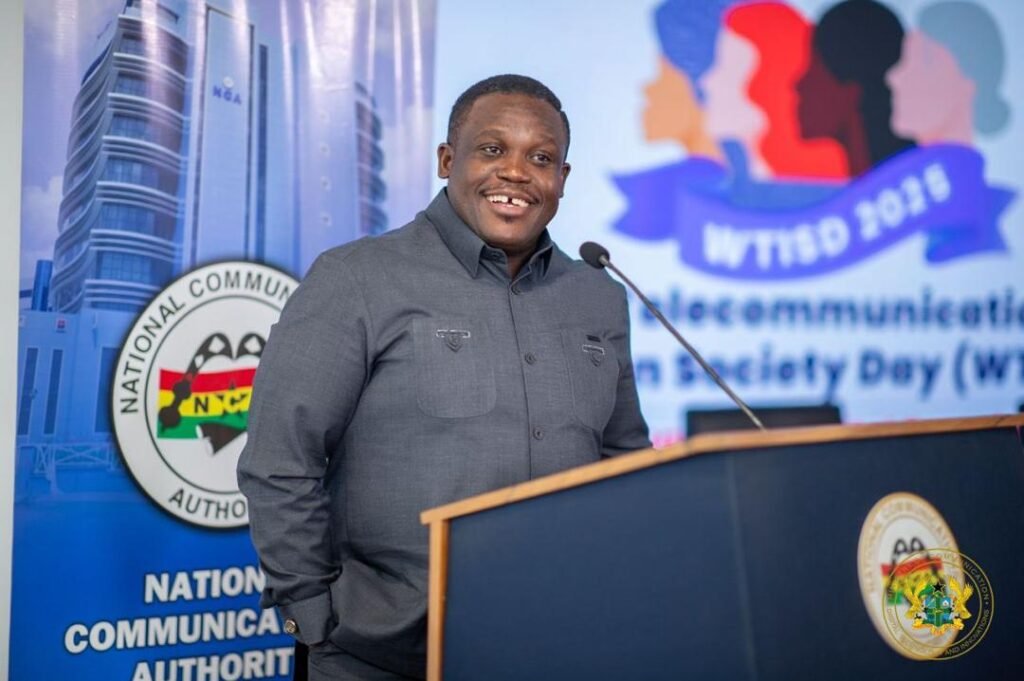
According to the Minister, operators seeking access to spectrum resources would be required to commit to expanding services into rural and underserved parts of the country as part of their licensing conditions. “We cannot give spectrum without firm commitments to rural connectivity,” he stressed.
The Minister also raised concerns about disparities in telecommunications service costs between urban and rural communities. He noted that the existing pricing gap remains a policy concern that government intends to review as part of broader reforms aimed at promoting digital equity.
He explained that access to affordable and reliable connectivity must not be determined by geography, adding that every Ghanaian should have equal opportunity to benefit from digital services regardless of location.
Infrastructure Investment Seen as Critical
Hon. Sam George further highlighted the importance of building resilient infrastructure to support the successful rollout and sustainability of 5G services nationwide.
He pointed to the need for substantial investments in network resilience, backup power systems, and redundancy measures to ensure uninterrupted service delivery.
According to him, as demand for data continues to grow and digital services become increasingly central to economic activity, the telecommunications sector must be prepared to support heavier traffic volumes and more sophisticated consumer demands.

He therefore urged industry stakeholders to align their investment strategies with government’s broader digital vision by prioritising network expansion, innovation, and consumer focused service delivery.
Hon. Sam George said connectivity should not be viewed simply as a communications tool, but as a critical platform for economic growth, entrepreneurship, education, healthcare delivery, and national development.
Regulator Emphasises Quality of Service
Also speaking at the workshop, Edmund Yirenkyi Fianko, Acting Director General of the National Communications Authority, underscored the importance of ensuring that quality remains central to Ghana’s 5G deployment strategy.
Rev. Ing. Fianko cautioned that nationwide deployment without reliable service quality could not be considered a true success, regardless of the level of network expansion achieved.
He noted that increasing consumer demand for data and rising expectations for faster and more reliable connectivity have already placed significant pressure on existing telecommunications infrastructure, creating persistent service challenges in some parts of the country.
According to him, the next phase of digital transformation must go beyond simply expanding coverage and must focus equally on quality of service and quality of user experience. “To sustain a digital economy, quality of service and quality of experience must remain at the top of our agenda,” he said.

He stressed that equitable access to high quality digital services across both urban and rural communities would be essential if Ghana hopes to build a sustainable and inclusive digital economy.
Ghana’s Digital Future Takes Shape
The workshop highlighted growing consensus among policymakers, regulators, and industry leaders that effective spectrum management will play a defining role in shaping Ghana’s digital future.
With the 2027 deadline approaching, the success of the government’s ambitious 5G target will depend on sustained investment, strong regulatory enforcement, and meaningful collaboration across the telecommunications ecosystem.
As Ghana moves toward its 70th Independence Anniversary, the government appears determined to make digital transformation one of the defining milestones of that historic celebration, with 5G connectivity positioned as a key driver of innovation, inclusion, and long term economic growth.
READ ALSO: Chamber of Mines Warns Against State Ownership Failures Amidst IEA Policy Dispute