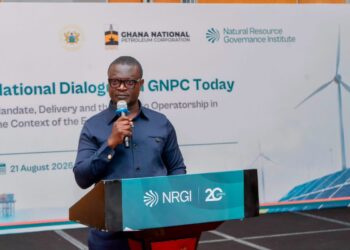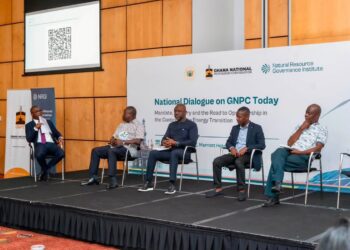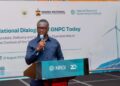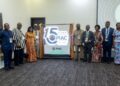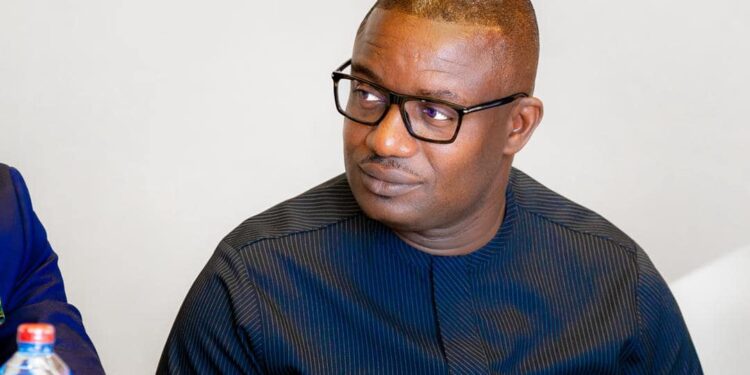
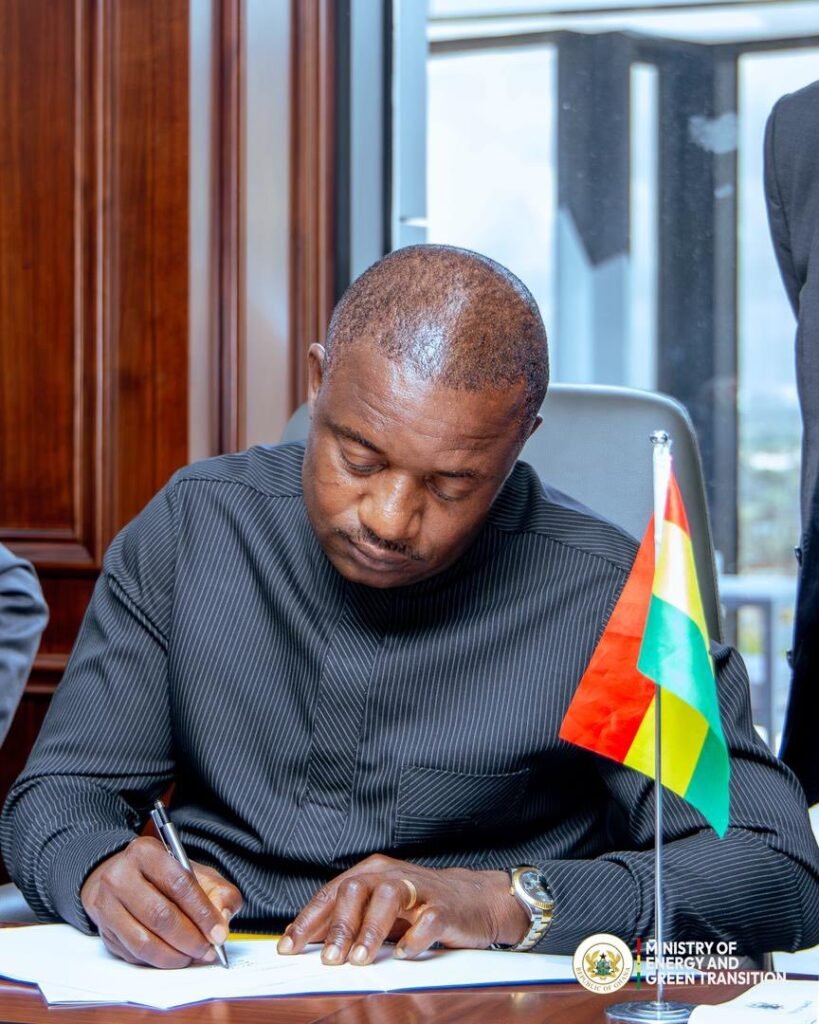
Hon. John Abdulai Jinapor, the Minister for Energy and Green Transition, has underscored the critical necessity of building robust, integrated energy systems to drive Africa’s economic development.
The Minister emphasized that the continent’s future prosperity hinges on moving beyond the traditional reliance on raw material exports, advocating instead for a shift toward value-added industrialization powered by strategic energy investments.
“Africa’s economic transformation will depend on our ability to build reliable, affordable, and integrated energy systems that power industry, innovation, and opportunity. We must move from a continent that exports raw resources to one that creates value through industrialization, technology, and strategic energy investments. With our abundant natural resources and the AfCFTA, Africa has every opportunity to become a global industrial powerhouse.”
Hon. John Abdulai Jinapor
The Energy conference, which convened industry leaders, policymakers, and innovators, served as a platform to highlight how reliable power serves as the foundational architecture for broader industrial success.
Minister Jinapor noted that as Africa leverages its growing population and the expanding market opportunities under the African Continental Free Trade Area (AfCFTA), the continent must overcome persistent infrastructure deficits.
By prioritizing long-term energy solutions ranging from gas-to-power modernization and renewable energy deployment to nascent explorations into nuclear energy the Minister argued that Africa can finally transition from a resource-dependent economy to a global industrial powerhouse.
Powering the Industrial Revolution
Reliable energy is the engine of industrialization, serving as the primary catalyst for economic expansion across the continent.
When industries lack consistent power, production cycles are interrupted, operational costs soar, and the competitiveness of “Made in Africa” goods on the international market is severely diminished.
By establishing a stable grid, nations can move away from expensive, intermittent self-generation and toward high-capacity manufacturing.
As industry analysts frequently point out, the correlation between per-capita electricity consumption and GDP growth is undeniable.
When power becomes both affordable and ubiquitous, it enables the shift from simple extraction to advanced processing, allowing nations to refine their gold, process their lithium, and manufacture finished goods locally.
This transition not only retains wealth within the continent but also scales up job creation, particularly for the surging youth population.
Bridging the Infrastructure Gap
A central theme of the Minister’s address was the urgency of regional cooperation to overcome the fragmentation of energy markets.
Currently, many African nations struggle with isolated power networks that cannot handle the demands of modern industrial zones.
To mitigate this, the Minister championed a multi-faceted approach to security, which includes the deployment of battery storage systems and mini-grid electrification to reach underserved areas. Such infrastructure acts as a bridge, connecting remote resource-rich regions to industrial hubs.
This technological leapfrogging is essential; it allows for a “cleaner and more resilient energy mix” that minimizes environmental impact while maximizing industrial output. Regional integration, as Jinapor noted, is the only way to ensure that energy-surplus nations can support their neighbors, effectively turning borders into bridges that facilitate trade and development.
A Call for Strategic Investment
Ultimately, the transition to an industrial powerhouse is a capital-intensive endeavor that demands bold leadership and sustained collaboration between governments and private partners.
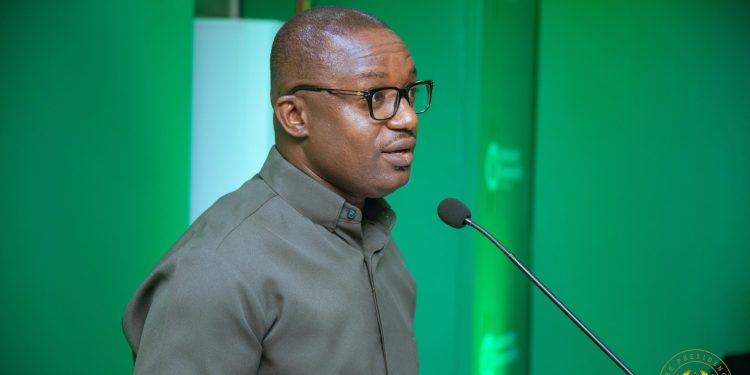
Hon. Jinapor’s call for action at the AETC reflects a broader consensus that Africa is no longer a mere frontier market but a destination for high-impact investment.
By focusing on gas-to-power modernization and preparing for the integration of nuclear energy, Ghana and its regional counterparts are setting the stage for a sustainable future.
The Minister’s message to investors and development partners is clear: Africa has the resources, the human capital, and the policy framework to lead its own energy revolution.
Through deliberate, long-term investments in grid infrastructure, the continent can secure its rightful place in the global economy, ensuring that the fruits of its natural wealth empower its people for generations to come.
READ ALSO: Football And Music Can Project Ghana, GFA President Charges DopeNation To Stay United