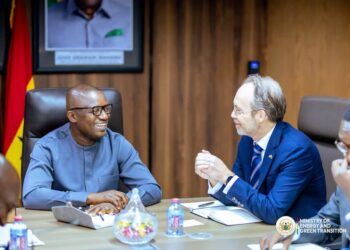
Parliament of Ghana’s Lands and Natural Resources Committee has initiated a high-level strategic engagement with a UK parliamentary delegation to define how the extractive industry can leverage bilateral trade to bolster long-term relations.
This diplomatic dialogue serves as a bridge for aligning the economic interests of both nations, focusing on the development of gold, lithium, and other critical minerals that are increasingly central to global energy shifts and industrial modernization.
“The interactive session provided a timely platform for both Parliaments to reflect on the strategic importance of the extractive sector, particularly gold, lithium, and other critical minerals, in strengthening the longstanding partnership between Ghana and the United Kingdom.”
Hon. Akwasi Konadu, Deputy Ranking Member on the Lands and Natural Resources Committee
This engagement expands upon the foundational trade ties between the two countries, positioning the extractive sector as a crucial engine for shared economic advancement.
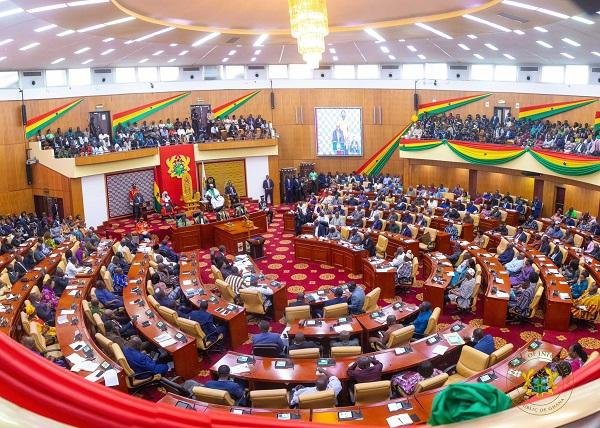
By emphasizing collaborative frameworks, both Parliaments are working to ensure that mineral wealth translates into tangible, long-term benefits, including robust foreign investment flows, advanced technology transfers, job creation, and the development of essential infrastructure.
The dialogue marks a pivotal move toward synchronizing policy objectives, ensuring that resource extraction from the gold mines of the Ashanti region to emerging lithium ventures becomes a catalyst for sustainable development rather than merely an extractive pursuit.
Driving Sustainable Economic Prosperity
The partnership underscores a shift toward more responsible and integrated mining economies that prioritize mutual growth.
For Ghana, a leading resource-rich nation in Africa, the collaboration with the UK is vital for expanding trade volumes, enhancing revenue generation, and fostering industrial growth through sophisticated skills development.
By working closely with British counterparts, Ghana aims to elevate its extractive value chain, moving beyond the traditional reliance on raw exports toward meaningful value addition that creates a more resilient national economy.
For the United Kingdom, the relationship offers a strategic avenue to secure supply chains for critical minerals necessary for its own industrial and clean energy objectives.

As the UK pursues its goal of enhancing domestic economic resilience, partnering with a stable democratic partner like Ghana allows for the creation of shared supply networks.
This ensures that British industry can access the vital components needed for sectors ranging from renewable energy to defense, all while upholding high standards of environmental and ethical oversight.
Legislative Reform for Inclusive Growth
A core focus of this parliamentary cooperation is the pursuit of rigorous legislative reforms designed to ensure that the extraction of resources is both sustainable and inclusive.
The discussions highlighted several key areas for legislative attention, including “local content participation, environmental governance, transparency, and community benefits.”
Lawmakers from both sides acknowledged that the true measure of the extractive industry’s success must reside in the lasting positive impact it delivers to local communities and the rigorous protection of the natural environment for the benefit of future generations.
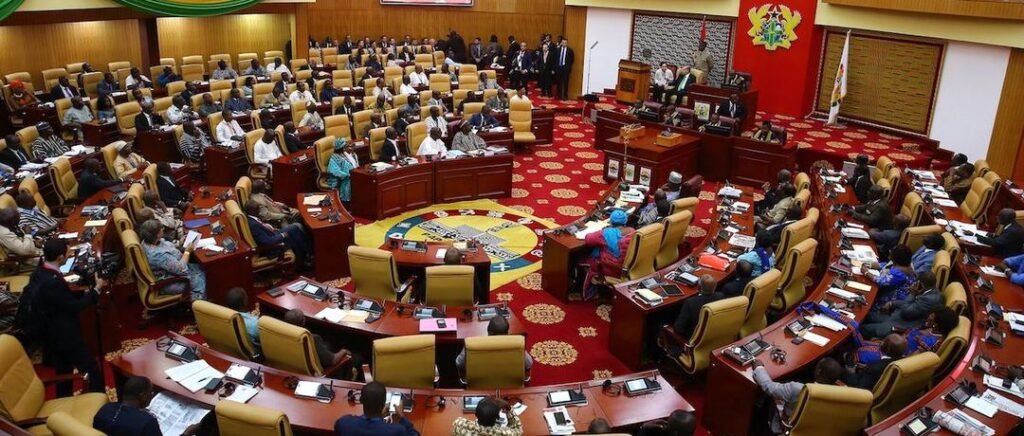
These legislative efforts aim to harmonize regulatory practices, making the sector more attractive to responsible investors while ensuring that the benefits of mining such as infrastructure projects and community development funds are equitably distributed.
By focusing on transparency and local participation, the committees are creating a framework that discourages the negative externalities often associated with resource extraction, such as environmental degradation and wealth flight.
Instead, the objective is to build a modern regulatory environment where both the investor and the host nation share the risks and the rewards of mineral exploration.
Strategic Cooperation in a Changing Global Market
As the global energy landscape evolves, the relationship between Ghana and the UK is being reimagined as a modern partnership defined by “mutual respect, sustainable trade, innovation, and shared prosperity.”
This parliamentary alignment is particularly important as the world shifts toward low-carbon energy systems, increasing the demand for transition minerals like lithium.

By prioritizing parliamentary diplomacy, both nations are establishing a framework that not only supports current trade objectives but also secures their positions within the highly competitive global minerals and energy transition agenda.
The commitment to “responsible mining practices” and “value addition” reflects a maturation of the Ghana-UK relationship.
It signifies a move away from purely transactional engagement toward a deeper, strategic partnership that addresses the systemic challenges of the 21st century.
Through continued dialogue and the sharing of best practices in mining governance, both Parliaments are positioning their respective countries to thrive amid global economic shifts, ensuring that their historic ties remain relevant and mutually beneficial in an era of rapid technological and industrial transformation.
READ ALSO: New CEO Government Compact 2026 to Establish Operational Accountability Framework