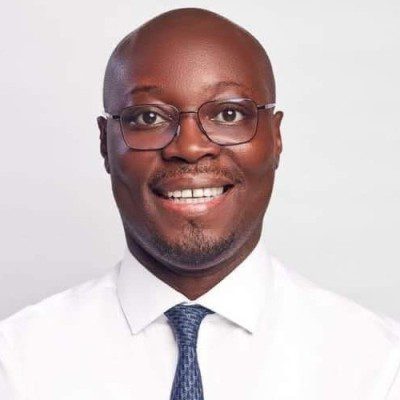
The Author: Evans Senior Owu – Columnist
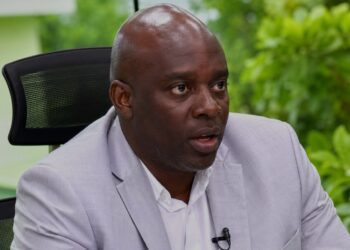
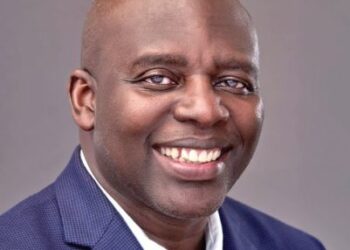
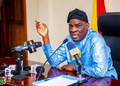
Ghana is recovering and building resilience. And there is a man who deserves to be given his ‘onions’. Hon. Cassiel Ato Baah Forson, PhD, is Ghana’s current Minister of Finance. He assumed office on January 22, 2025, under President John Mahama.
He came in carrying the weight of a broken economy, one that his party, from the opposition benches, had loudly and correctly warned was being mismanaged. Now, from the other side of that table, he is doing the hard, unglamorous work of fixing it.
The numbers speak for themselves. Inflation collapsed from 23.8 percent in December 2024 to just 3.4 percent by April 2026. Interest rates fell sharply. The 91-day Treasury bill rate dropped by more than 2,300 basis points to 4.8 percent. The cedi appreciated by 40.7 percent against the US dollar in 2025.
These are not cosmetic figures. As Dr. Forson himself told international investors at the 2026 IMF/World Bank Spring Meetings: “These are not cosmetic gains. They are outcomes of well-thought-through reforms, backed by policies and disciplined implementation.”
Ghana’s GDP expanded by 6.1 percent in the first three quarters of 2025 — the fastest growth rate since 2019. Non-oil GDP growth surged even higher to 7.5 percent. The debt-to-GDP ratio fell from 61.8 percent in December 2024 to 45 percent by October 2025. That is a turnaround by any honest measure.
Yet Ato Forson is not resting on stability. He is now building resilience and pursuing a transformation agenda. At the Ishmael Yamson and Associates Business Roundtable, Thursday, May 28, 2026, the Finance Minister announced that the government will no longer borrow to finance the Accra-Kumasi Expressway.
Instead, petroleum revenues and mineral royalties will fund major infrastructure projects going forward. This is a structural shift, not a headline, but a philosophy. Think carefully about what this means.
For years, Ghana’s precious oil revenues were spread thin across recurrent expenditures: newspapers, air tickets, workshops, and capacity building. Ghana’s mineral royalties, managed through the Minerals Income Investment Fund (MIIF), were being used to buy the government’s own treasury bills, essentially lending back to the state at a cost, rather than building anything lasting.
Ato Forson stopped it. He has realigned mineral royalties toward infrastructure investment. He has amended the Petroleum Revenue Management Act to dedicate oil revenue strictly to capital expenditure. That is not politics. That is prudent financial management.
Joe Jackson, CEO of Dalex Finance, put it plainly at the end of 2025: “If I had to nominate men of the year, without doubt, two people stand out; the Minister of Finance, Dr. Cassiel Ato Forson, and the Governor of the Central Bank, Dr. Johnson Asiama.”
He credited their discipline and commitment for the gains recorded that year. That recognition came not from political allies, but from the private sector. Dr. Forson has been clear about what comes next: consolidate the gains, strengthen investor confidence, and build a more resilient and inclusive economy. He speaks with the clarity of someone who knows exactly where he is going.
What is equally remarkable is how he leads. He is rarely seen at government events or media spectacles. He appears when it matters, and then he goes back to work. There is something instructive about that.
His philosophy, reduced to its core, is simple: spend within your means; spend prudently; spend in the right places. In this, he reminds many of Ghana’s beloved late President Prof. John Evans Atta Mills, a man who served the public with integrity, firmness, and deep compassion, shunning the noise of performative leadership in favor of quiet, consequential work.
Ghana suffered for eight long years. The Domestic Debt Exchange Program, which pickpocketed the savings of ordinary citizens, including pensioners. Inflation ravaged households. Debt spiraled.
The IMF had to be called in to rescue an economy that had been driven to ruin. We must not forget that. And precisely because we remember it, we must give Ato Forson his due credit.
He did not inherit a blank slate. He inherited a crisis. As he told Parliament on May 28, he confronted a state he described as “bloated, purposefully inefficient, and riddled with waste and corruption.” He confronted it with a team, with discipline, and with vision.
Ghana, celebrate this man. Encourage him. Support him. He is the rare chief spending officer who takes the job seriously, and it shows. The Ato Baah Forson doctrine is not complicated.
It is simply what good governance looks like: spend within your means, spend prudently, and spend where it builds something lasting for the people.
READ ALSO: TOR Champions Financial Compliance Through 2026 AFIIA Conference