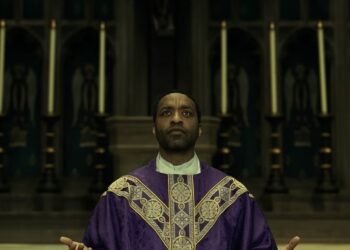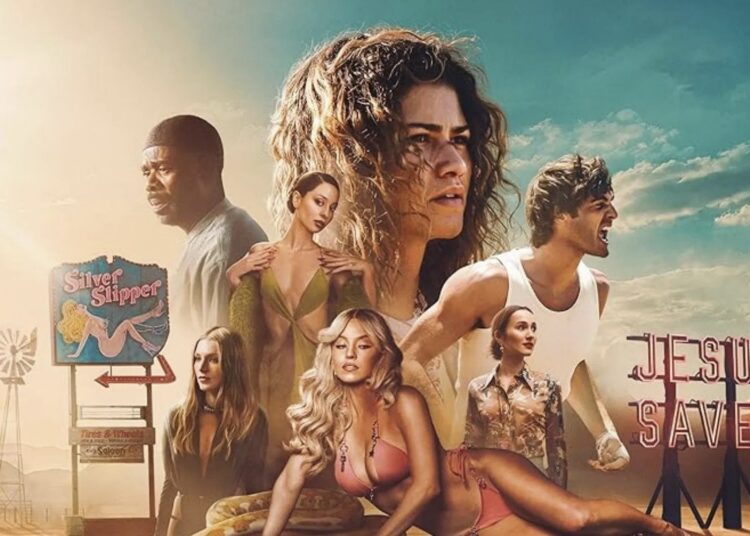
HBO’s groundbreaking teen drama “Euphoria” officially ended its seven-year journey on Sunday night, with the Season 3 finale confirmed as the series’ closing chapter.
The announcement, delivered by creator Sam Levinson on a New York Times podcast and swiftly verified by the network, marks the conclusion of a cultural phenomenon that redefined prestige television’s approach to youth, addiction, and identity.
Premiering in June 2019, “Euphoria” arrived at a pivotal moment. Zendaya’s portrayal of Rue Bennett, a high school student grappling with addiction, anxiety, and loss, captured the fractured psyche of a generation raised on social media and uncertainty.
The series blended neon-drenched visuals, an eclectic soundtrack featuring artists like Labrinth, and unflinching depictions of sex, trauma, and substance abuse.
It quickly became HBO’s most-watched show among younger audiences, sparking both fervent fandom and heated debates about its explicit content.
Season 1 earned critical acclaim and multiple Emmy Awards, with Zendaya taking home Lead Actress honors. Sydney Sweeney’s breakout as Cassie Howard, Jacob Elordi’s magnetic yet menacing Nate Jacobs, and Hunter Schafer’s nuanced Jules Vaughn rounded out a stellar ensemble.
The show’s stylistic boldness ,slow-motion sequences, fourth-wall breaks, and Rue’s voiceover narration, set it apart from traditional teen dramas.
It influenced fashion, music, and even discourse around mental health, though critics often questioned whether its graphic scenes glamorized the very issues it portrayed.
Production challenges defined the show’s later years. A nearly four-year gap between Seasons 2 and 3 stemmed from the COVID-19 pandemic, writers’ strikes, cast scheduling conflicts, and the tragic 2023 death of Angus Cloud, who played Fezco.
By the time Season 3 premiered in April 2026, many original stars had become global superstars.
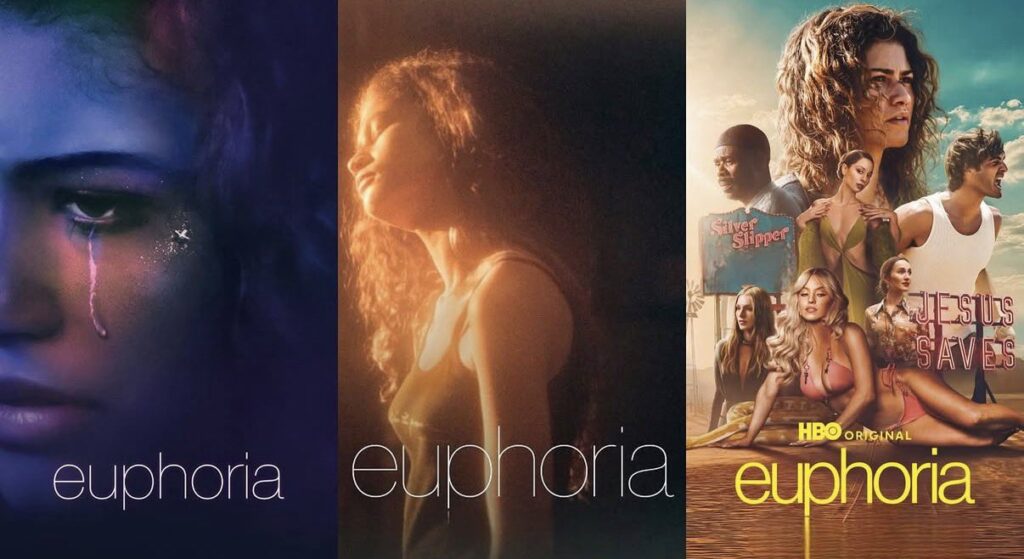
Zendaya led major franchises like “Dune,” Sweeney starred in blockbusters, and Elordi gained acclaim in films such as “Saltburn” and “Priscilla.” A significant time jump in Season 3 shifted the narrative from high school to young adulthood, exploring themes of faith, redemption, and the lingering scars of adolescence.
The 93-minute finale, titled “In God We Trust,” delivered one of HBO’s longest episodes ever. Reports indicate it featured intense confrontations, including Rue’s fatal encounter involving fentanyl-laced drugs from a dealer character, bringing her arc to a tragic close.
Colman Domingo’s Ali provided emotional depth in scenes involving revenge and spiritual reckoning. The episode reportedly offered closure for several characters while leaving others’ futures ambiguous, consistent with Levinson’s signature open-ended yet visceral style.
In announcing the end, Levinson expressed pride in the series’ conclusion. “I write every season like it’s the last,” he had previously told outlets, and the finale reflected that mindset. Zendaya had hinted at closure in pre-season interviews, telling fans to prepare for an emotional goodbye to Rue.
HBO confirmed there are currently no plans for Season 4, spin-offs, or revivals, though the network left the door slightly ajar for potential future projects.
Public Reactions
Reactions poured in immediately after the finale aired. Social media overflowed with nostalgia, memes, and tributes. Many praised the show’s early seasons for their raw honesty and visual innovation.
Others criticized later episodes for uneven pacing and controversial plot choices. Cast members shared behind-the-scenes moments, while fans mourned the end of an era that dominated timelines, Halloween costumes, and water-cooler conversations.
“Euphoria” leaves a complex legacy. It launched careers, sparked important conversations about addiction and representation (including Schafer’s groundbreaking trans character), and pushed television boundaries with its cinematic ambition. Yet it also faced backlash for explicit content and perceived glorification of harmful behaviors.
Parental groups and some critics argued it was unsuitable for its target demographic, while supporters viewed it as a necessary mirror to adolescent struggles.
Economically and culturally, the series proved transformative. It boosted HBO Max subscriptions, generated massive social media engagement, and inspired a wave of similar bold programming. Merchandise, fashion collaborations, and soundtrack albums extended its reach far beyond screens.
The show’s influence extended to music videos, runway shows, and even political commentary on youth issues.
For Levinson, a divisive but visionary creator, “Euphoria” represented a deeply personal project. Drawing from his own experiences, he crafted stories that prioritized emotional truth over tidy resolutions. The decision to end the series aligns with the challenges of maintaining such an intense production amid skyrocketing star salaries and demanding schedules.
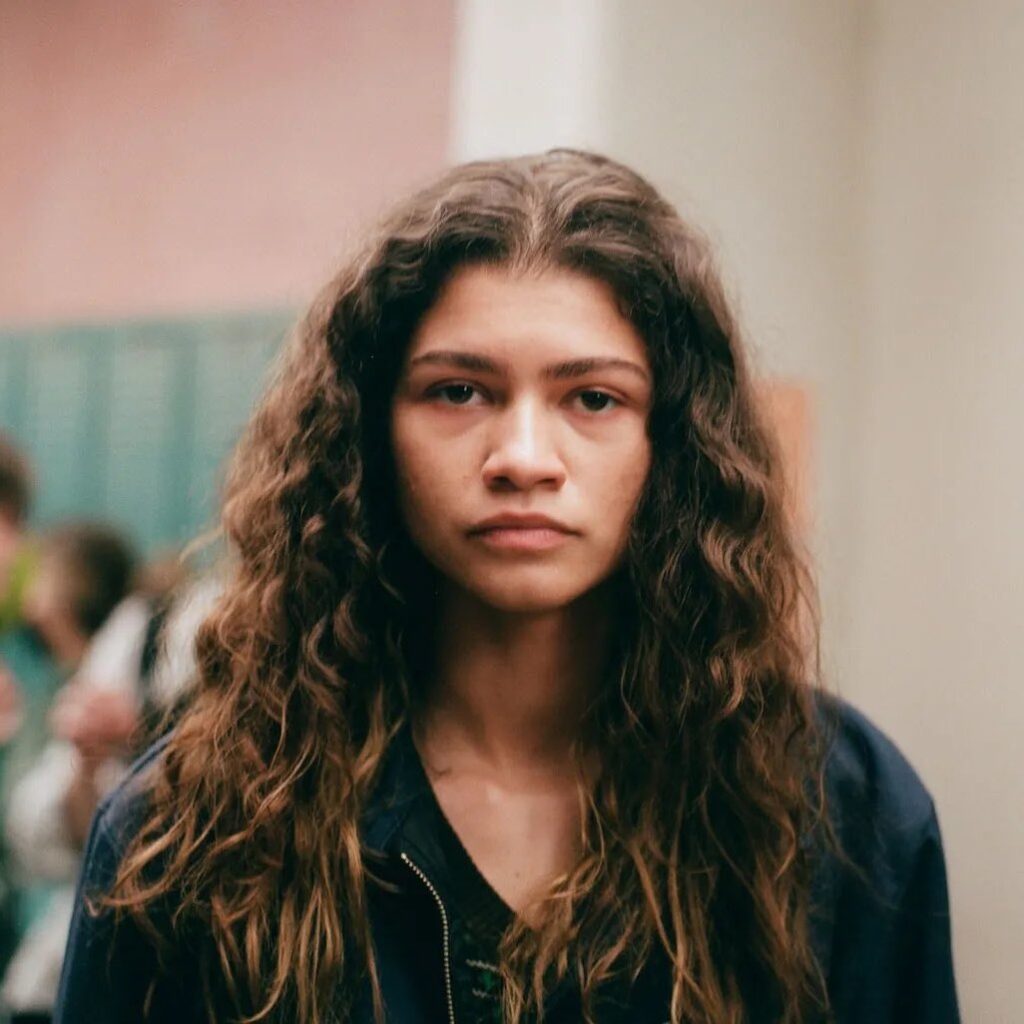
As the credits rolled on “In God We Trust,” viewers were left reflecting on seven years of highs and lows. From Rue’s heartbreaking relapses to moments of unexpected tenderness among friends, the series chronicled the messy beauty of growing up.
Its soundtrack, bold direction, and fearless performances ensured it will be studied and rewatched for years.
HBO issued a statement thanking the cast, crew, and fans: “Euphoria captured lightning in a bottle. Its impact on television and culture is undeniable.” While some fans expressed relief at the conclusion, citing declining quality in recent seasons , most agreed the show’s cultural footprint remains immense.
In an age of endless franchises and reboots, “Euphoria’s” willingness to end on its own terms feels rare. It bows out having told a complete, if imperfect, story.
For a generation that came of age alongside Rue and her friends, saying goodbye marks more than the end of a TV show. It signals the close of a shared cultural moment defined by chaos, connection, and the search for meaning in turbulent times.
READ ALSO: Ablekuma West MCE: Public Safety Must Guide Demolition Decisions