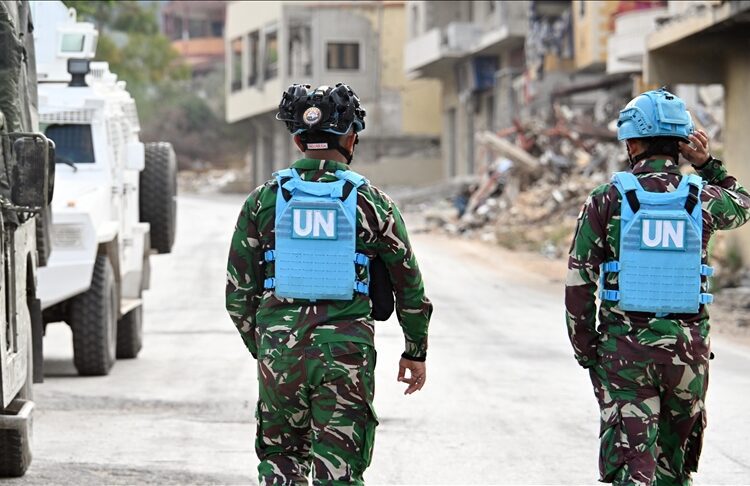
A United Nations peacekeeper has been killed and two others wounded in southern Lebanon after mortar fire struck a UN position near the town of Marjayoun, highlighting the continuing dangers facing civilians and international personnel despite renewed efforts to secure a ceasefire between Israel and Lebanon.
UN Interim Force in Lebanon (UNIFIL) confirmed that the peacekeeper died after an attack on his position in the country’s southeast. The other two injured peacekeepers are receiving treatment at a UNIFIL medical facility.
UNIFIL added that an investigation had been launched to determine the circumstances surrounding the incident, stressing that the ongoing violence must come to an end.
The peacekeeping mission has not yet identified the source of the mortar fire. However, the attack occurred amid escalating exchanges between Israeli forces operating in southern Lebanon and Hezbollah fighters, despite diplomatic efforts aimed at stabilising the situation.
“Deliberate attacks on peacekeepers are grave violations of international humanitarian law and of Security Council Resolution 1701, and may amount to war crimes.”
UNIFIL
Meanwhile, the Serbian government has confirmed that the deceased peacekeeper was a Serbian national.
According to Serbian authorities, he received emergency treatment after the attack and was subsequently airlifted to a hospital in Beirut, where he later died from his injuries.
“We extend our deepest condolences to the family, friends, and colleagues of the peacekeeper who lost his life in the service of peace. Our thoughts also go out for the full and speedy recovery of the injured peacekeepers.”
UNIFIL
Rising Tensions in Southern Lebanon Threaten Stability of Ceasefire Plan
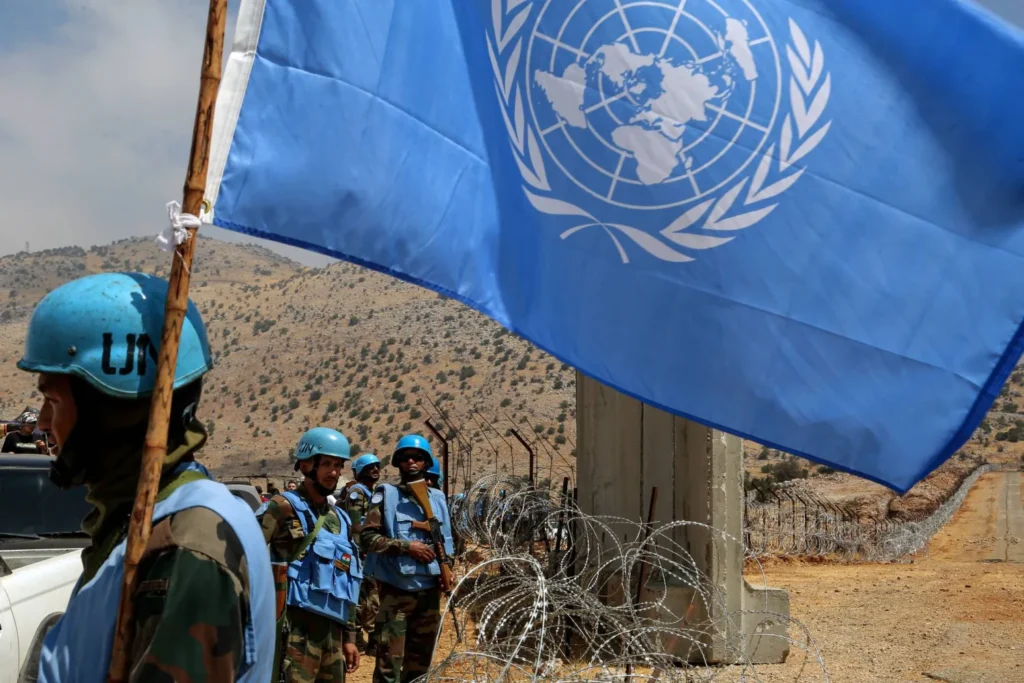
The incident underscores the increasingly volatile security environment in southern Lebanon, where UN peacekeepers have found themselves operating amid a growing number of military exchanges and aerial attacks.
UNIFIL noted that it had recorded “an increasingly high number of trajectories and impacts” across southern Lebanon in recent weeks, reflecting the deterioration of security conditions along the border region.
The latest violence traces back to early March when Hezbollah launched attacks into northern Israel following the outbreak of direct conflict involving Israel, the United States, and Iran. Israel subsequently intensified military operations in Lebanon, targeting Hezbollah positions and infrastructure.
The death of the peacekeeper came only hours before the United States announced a renewed agreement aimed at reinforcing a fragile ceasefire between Israel and Lebanon.
Under the arrangement, which reportedly does not include Hezbollah, so-called “pilot zones” would be established in parts of southern Lebanon where the Lebanese Armed Forces would assume responsibility for security and governance.
The agreement is intended to reduce tensions and limit the influence of armed non-state actors in key areas near the border.
However, the latest attack highlights the significant challenges facing efforts to implement and enforce any ceasefire arrangement while hostilities continue on the ground.
The continuing violence has already had a devastating impact on Lebanon’s civilian population.
According to United Nations estimates, more than one million people have been displaced since the conflict intensified, forcing families from their homes and placing additional pressure on already strained humanitarian resources.
Entire communities across southern Lebanon remain on edge amid fears of further military escalation.
The UN Children’s Fund (UNICEF) has also reported widespread anxiety among families living in Beirut’s southern suburbs and other conflict-affected areas.
UNICEF spokesperson Christophe Boulierac said that residents are too afraid to remain in their homes overnight due to fears of renewed attacks. “Most of them are coming during the day[time], checking their homes and leaving at night,” he added,
The atmosphere of uncertainty was particularly evident earlier this week when evacuation warnings triggered a mass exodus from parts of the Lebanese capital.
Videos shared on social media showed thousands of vehicles attempting to leave southern Beirut after warnings of possible Israeli strikes against areas believed to host Hezbollah infrastructure.
According to the United Nations, the evacuation orders prompted significant new displacement in a city already struggling to cope with the humanitarian consequences of months of conflict.
“In Beirut alone, an estimated 200,000 people were displaced from the southern suburbs following the evacuation order issued by the Israeli Defense Forces on 1 June.”
UN spokesperson
Humanitarian agencies have repeatedly warned that the conflict is placing increasing pressure on essential services, including healthcare, shelter, and food assistance.
The death of a UN peacekeeper is also likely to intensify concerns about the safety of international personnel operating in Lebanon, where peacekeepers have long played a key role in monitoring ceasefire agreements and helping maintain stability along the Israeli-Lebanese border.
READ ALSO: Israel-Lebanon Agree to Ceasefire if Hezbollah Halts Attacks