Derrick Opare Asamoah, a prominent public financial management expert and Ghana School of Law alumnus, has exposed a dangerous contradiction in the nation’s resource nationalism debate, warning that the Institute of Economic Affairs’ (IEA) call to deny Gold Fields’ mining lease renewal would inadvertently destroy the very local businesses it claims to champion.
This controversial proposal, presented at an event featuring former senior officials from the judiciary and legislature, demands that the lucrative Tarkwa concession be transferred to an indigenous owner to maximize national benefits.
However, analysts caution that substituting a major multinational operator with a local entity under political pressure risks dismantling the entire domestic business ecosystem that relies on the mine’s capital-intensive operations.
“The IEA’s instinct, greater national benefit from our resources is not wrong. But the strategy is dangerously self-defeating. It confuses symbolism with substance, ignores the Ghanaian businesses that have grown within the mining ecosystem, and threatens to collapse the very local participation it claims to champion.”
Derrick Opare Asamoah
By demanding an immediate operational transition, the research institute overlooks the critical reality that managing a 500,000-ounce-per-annum gold mine requires specialized, large-scale technical capacity and an estimated $6 billion in further redevelopment investment.
Forcing a sudden change in ownership threatens to disrupt integrated supply chains, halt ongoing site redevelopments, and jeopardize thousands of skilled jobs held by Ghanaian citizens.
Rather than fostering true economic independence, a sudden lease denial would cripple native companies that have successfully achieved high-tier operational standards by embedding themselves within Gold Fields’ procurement network.
Decoupling the Domestic Supply Chain
The structural impact on indigenous vendors represents a severe threat to Ghanaian commerce. Local content regulations have legally bound multinational operators to the domestic market, forcing large corporations to heavily invest in building local capacities.
Gold Fields has pushed its local procurement rate to a remarkable 93% over the past five years. This deliberate sourcing strategy injected $4.26 billion directly into the Ghanaian economy, actively sustaining nearly 100 native sub-contractors and service providers.
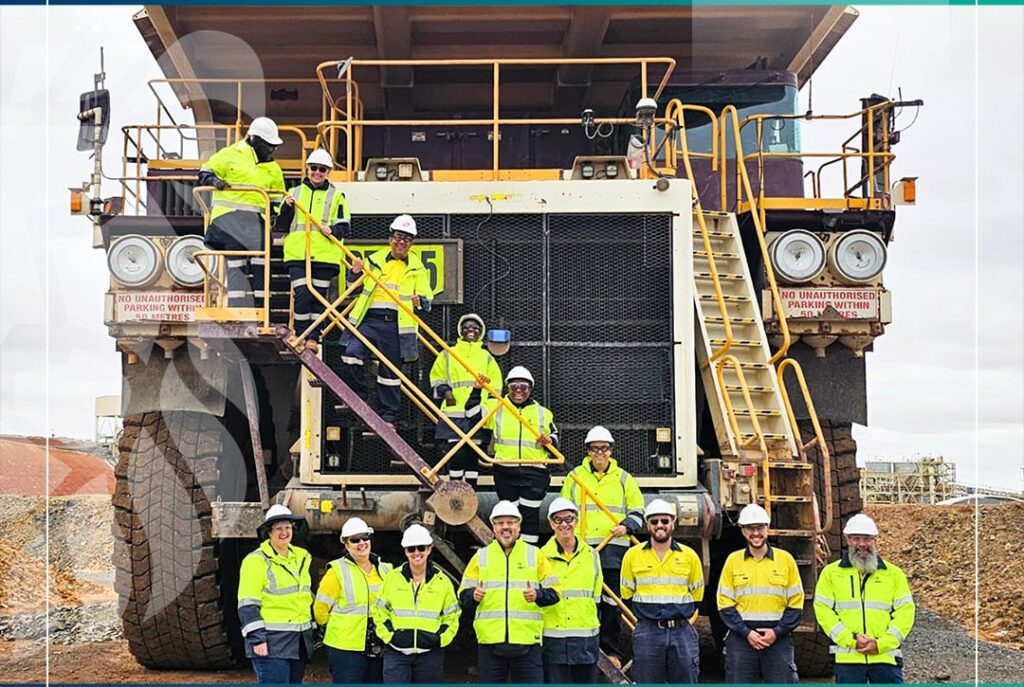
Prominent domestic firms now face sudden operational vulnerabilities if this corporate ecosystem is fractured. Engineers and Planners, an indigenous heavy-earthmoving contractor, relies deeply on large-scale mining contracts to sustain its expansive heavy machinery fleet and skilled technical workforce.
Similarly, indigenous fuel provider ZEN Petroleum Holdings, which recently listed on the Ghana Stock Exchange, relies heavily on Gold Fields as a cornerstone anchor partner for its bulk distribution networks.
Cutting off the mine’s operational continuity would instantly threaten these vital commercial revenue streams.
Logistical and industrial capacities across the region would face similar financial strain. Western Transport Services has expanded its haulage fleets and specialized infrastructure alongside the Tarkwa concession, becoming a vital logistics contractor.
Meanwhile, indigenous power provider Genser Energy has deployed massive capital infrastructure under long-term agreements to supply the mine with stable electricity.
Disrupting the lease would break these multi-year commercial contracts, leaving local firms with stranded assets, heavy debts, and massive worker layoffs.
The Financial Realities of Extraction
Operating a world-class asset like Tarkwa demands enormous capital that goes far beyond basic domestic financial capacity.
The concession requires an estimated $6 billion in future redevelopment funding to maintain production and access deeper gold reserves.
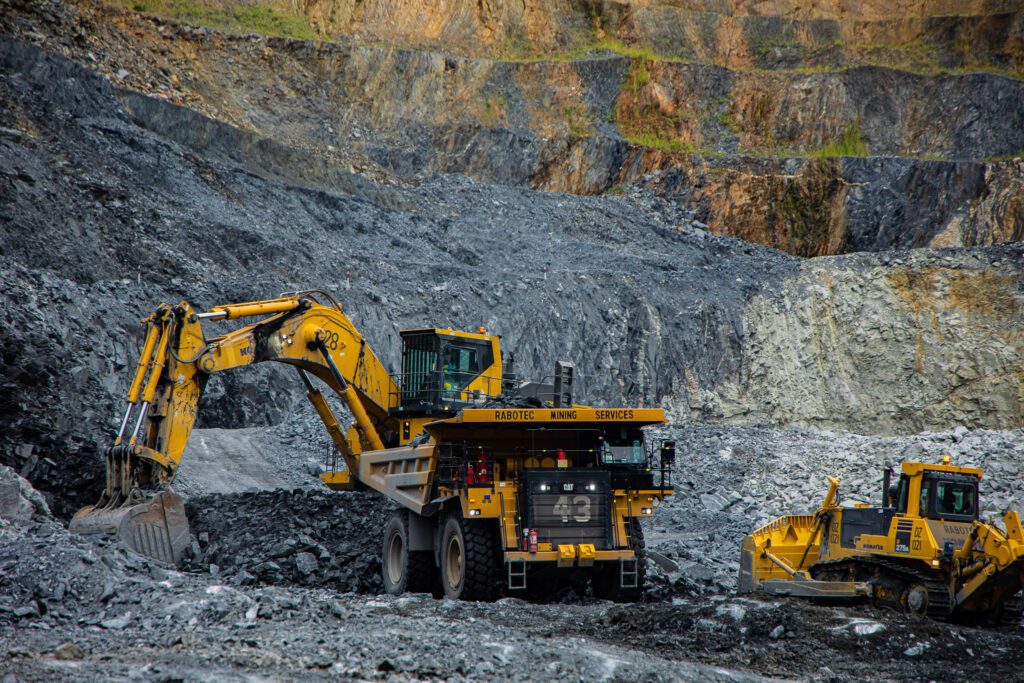
Expecting local firms to step in assumes that the local market can easily absorb these massive, long-cycle investment demands. Without this heavy funding, production would likely stall, turning a productive national asset into a financial burden.
Furthermore, community funding models would collapse if operations are disrupted. Gold Fields funds a voluntary foundation using 1% of its pre-tax profits plus $1 per ounce of gold produced, which has poured $110 million into community development.
This funding builds schools, clinics, and roads across host communities. Forcing a change in lease ownership risks freezing these community investments, cutting off vital social support long before a new operator could establish similar financial capacity.
Escalating Sovereign Policy Risks
The legal uncertainty caused by an arbitrary lease denial creates a dangerous precedent for Ghana’s broader investment climate.
Under the Minerals and Mining Act, 2006 (Act 703), mining companies operate within a clear statutory framework that guarantees lease renewals as long as they meet standard regulatory compliance.

Denying a renewal to a company that has invested $5 billion and paid $3.3 billion in taxes and royalties signals to global markets that compliance no longer guarantees legal safety in Ghana.
This growing policy uncertainty is already hurting the country’s international standing.
Ghana dropped from 46th out of 82 jurisdictions in 2024 to 53rd out of 68 in 2025 on the Fraser Institute’s Global Mining Investment Attractiveness Index.
Pushing ahead with an aggressive lease denial would speed up this slide, triggering capital flight and severely damaging Ghana’s reputation as a stable, predictable destination for global mining investment.