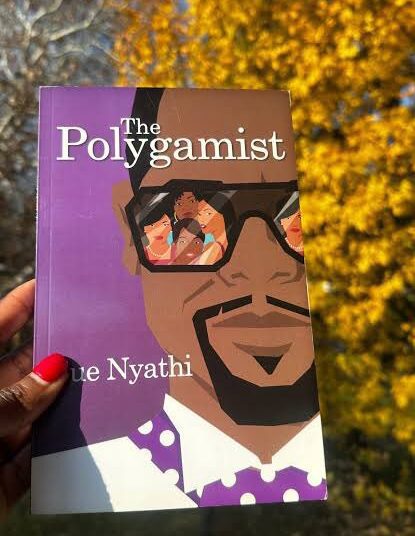
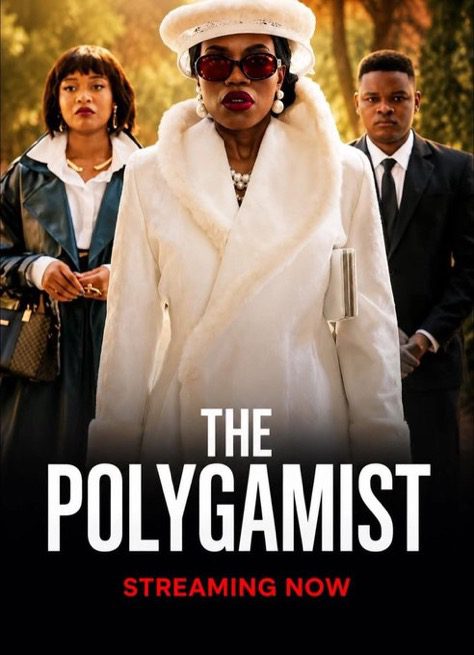
In a remarkable tale of literary persistence and the power of adaptation, Zimbabwean author Sue Nyathi’s 2012 self-published novel The Polygamist has exploded onto global screens as Netflix’s latest South African sensation.
Premiering on June 12, 2026, the 22-episode “supernovela” has stormed to the top of charts in South Africa and is captivating audiences across the continent and beyond with its intoxicating blend of lust, betrayal, revenge, and family drama.
The series follows the unraveling life of charismatic yet deeply flawed businessman Jonasi Gomora, portrayed by Sdumo Mtshali. On the surface, Jonasi is a self-made banking magnate with a picture-perfect marriage to social media influencer Joyce Gomora (Gugu Gumede). Behind the gloss, however, lies a web of deception involving a secret second wife, a mistress, and a girlfriend.
As his carefully constructed empire of lies collapses, the women in his life collide in a storm of emotional confrontations, greed, and calculated revenge.
Gugu Gumede’s performance as the long-suffering yet formidable Joyce has emerged as a standout, earning widespread acclaim for its vulnerability, fire, and depth. Supporting cast members including Kenneth Nkosi as Jonasi’s loyal brother Magesh, Kwanele Mthethwa, Celeste Ntuli, and others deliver strong turns that elevate the glossy production.
Directed by an ensemble including Akin Omotoso, the series is produced by Stained Glass Productions and billed as Netflix’s biggest South African telenovela yet.
Nyathi’s journey to this moment is as compelling as the story itself. A former investment analyst, she wrote the novel on weekends while balancing a demanding career. Major publishers rejected the manuscript, but Nyathi refused to abandon her vision.
She self-published The Polygamist in 2012, and the book gradually built a devoted following through word-of-mouth across Southern Africa. Readers praised its unflinching portrayal of modern relationships, complex female characters, and the messy realities of infidelity, power, and societal expectations in contemporary Zimbabwean and broader African contexts.
Fourteen years later, the adaptation has vindicated her determination. “What started as a dream and a story on paper has grown into a global moment,” Nyathi has reflected in interviews, expressing pride in seeing her characters brought to life.
The series remains largely faithful to the novel’s core while expanding it into bingeable, high-production telenovela format complete with lavish settings, sharp dialogue, and emotional highs and lows.
Public Reactions
Public reaction has been electric. Viewers report binge-watching entire seasons in marathon sessions, often staying up until the early hours. Social media is flooded with memes, shocked reactions (“mouth opened”), and heated debates. Many praise the addictive drama and relatability, describing it as a “rollercoaster” that mirrors real-life stories of cheating and family fallout.
Hashtags like #ThePolygamist trend strongly, with audiences celebrating the strong female leads and the consequences faced by Jonasi’s selfishness.
Not all feedback is uniformly glowing. Some viewers criticize the characters as largely irredeemable or over-the-top, while others engage in deeper discussions about polygamy, enabling behavior, absent fathers, gender dynamics, and the portrayal of women’s responses to betrayal.
A few note the series excels precisely because it delivers classic telenovela escapism-dramatic, emotional, and unapologetically soapy rather than groundbreaking innovation. Early ratings hover around 7.1 on IMDb, with strong audience scores reflecting its entertainment value.
The success highlights broader trends in African storytelling. Netflix’s investment in local productions is amplifying voices and narratives that traditionally struggled for international platforms. For Zimbabwean literature, long celebrated for its quality but often limited in global reach, The Polygamist represents a breakthrough.
It also underscores the viability of self-publishing in the digital age, where a rejected manuscript can find its audience years later through persistence and timely adaptation.
Critics and fans alike note the series’ willingness to tackle uncomfortable truths. Jonasi is no hero; his narcissism and lust drive the chaos, but the story equally examines the complicity, ambitions, and resilience of those around him.
Themes of HIV risks, family loyalty, revenge, and financial power add layers beneath the glossy surface. Actress Gugu Gumede has playfully acknowledged the intense viewer reactions, joking about not funding therapy for stressed audiences.
As The Polygamist continues to dominate conversations, it cements Sue Nyathi’s place as a significant voice in African fiction. Her debut novel, once dismissed by gatekeepers, now reaches millions. For aspiring writers, the story offers powerful inspiration: rejection is not the end, and a good tale can endure.

In an era of streaming wars and short attention spans, a 22-episode drama rooted in a 14-year-old self-published book topping charts is no small feat. It proves that authentic, emotionally charged stories from the Global South resonate universally.
READ ALSO:Latest U.S Sanctions On Cuba Slammed